


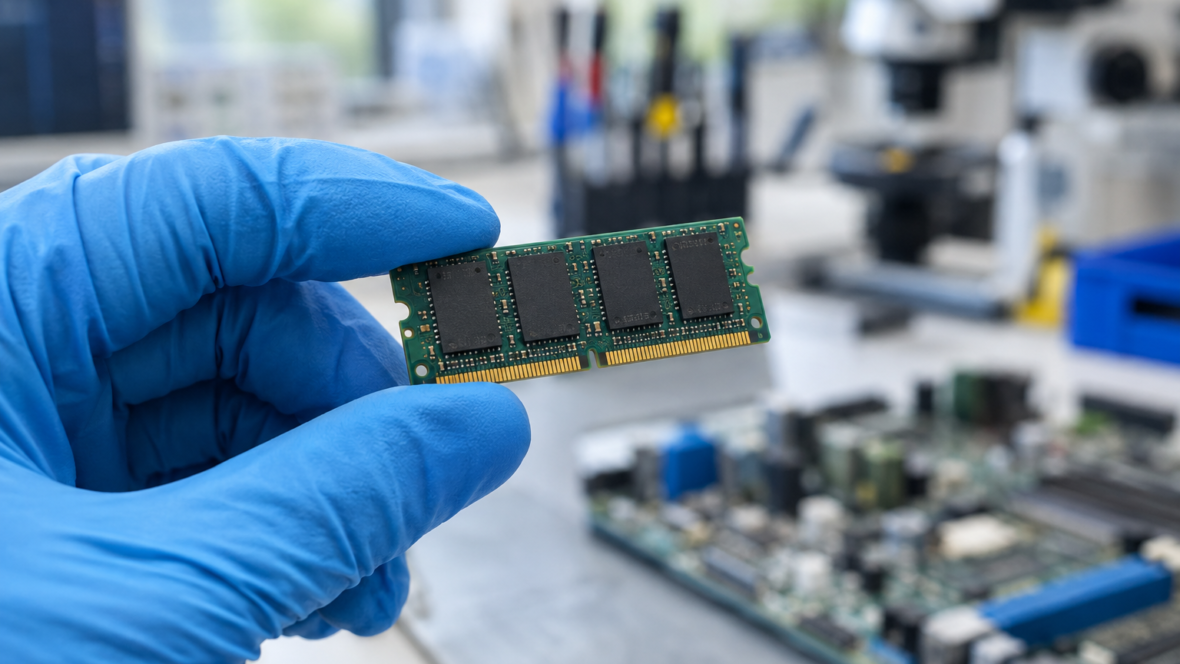
According to Counterpoint Research, amid a global memory chip shortage some smartphone manufacturers have begun installing refurbished DRAM chips removed from old smartphones, computers and servers into new models. This partly helps to offset component shortages, but raises questions about device longevity and is not regarded as a full long-term solution.
Bringing old chips back into production lines
In the second quarter of 2026 several Chinese manufacturers scaled back production plans due to rising memory prices and supply instability. By the end of the third quarter some companies had revised those plans upward, which is partly attributed to the availability of a larger quantity of refurbished DRAM chips.
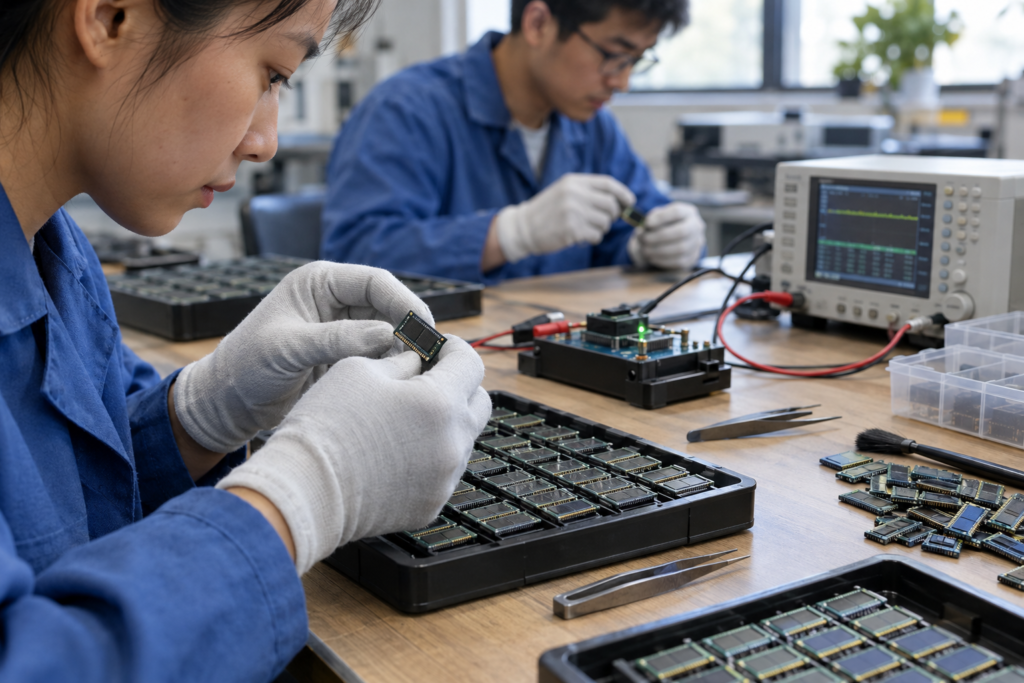
Chips are extracted from used devices, cleaned and tested before being reinstalled in new smartphones. Some manufacturers are considering using refurbished memory mainly in budget models, which reduces dependence on new components and can potentially keep device production costs down, although the final retail price also depends on other manufacturing expenses.
Service life and reliability risks for smartphones
The key question is how long memory that has already been used in another device will last: estimates suggest some refurbished chips may have been in use for five to six years. Over time the characteristics of semiconductor components can degrade and the risk of memory errors increase, potentially affecting smartphone stability and longevity.
Chip age alone does not guarantee failures: much depends on the memory type, operating conditions, workload and the quality of testing. Testing filters out defective components, but does not always reliably predict chip behaviour after several years of operation in a new device.
Reasons for a potentially prolonged memory shortage
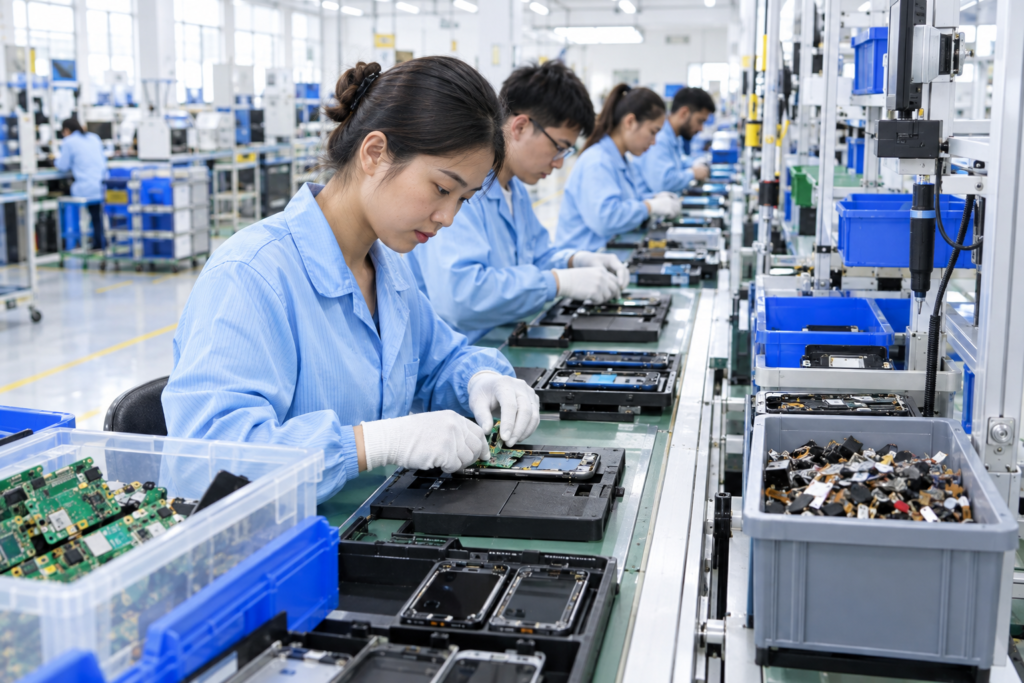
The DRAM market landscape is shifting because major manufacturers, including Samsung Electronics and SK Hynix, are directing more resources to memory for artificial intelligence servers and high-performance systems. Demand and higher profitability in these segments leave fewer components available for the smartphone market and put upward pressure on prices.
By one estimate, using refurbished DRAM is primarily a temporary measure to mitigate the effects of the shortage, and memory shortages may persist beyond 2027. For buyers this means trade-offs between price, availability and device performance, making quality control and warranty terms especially important.