


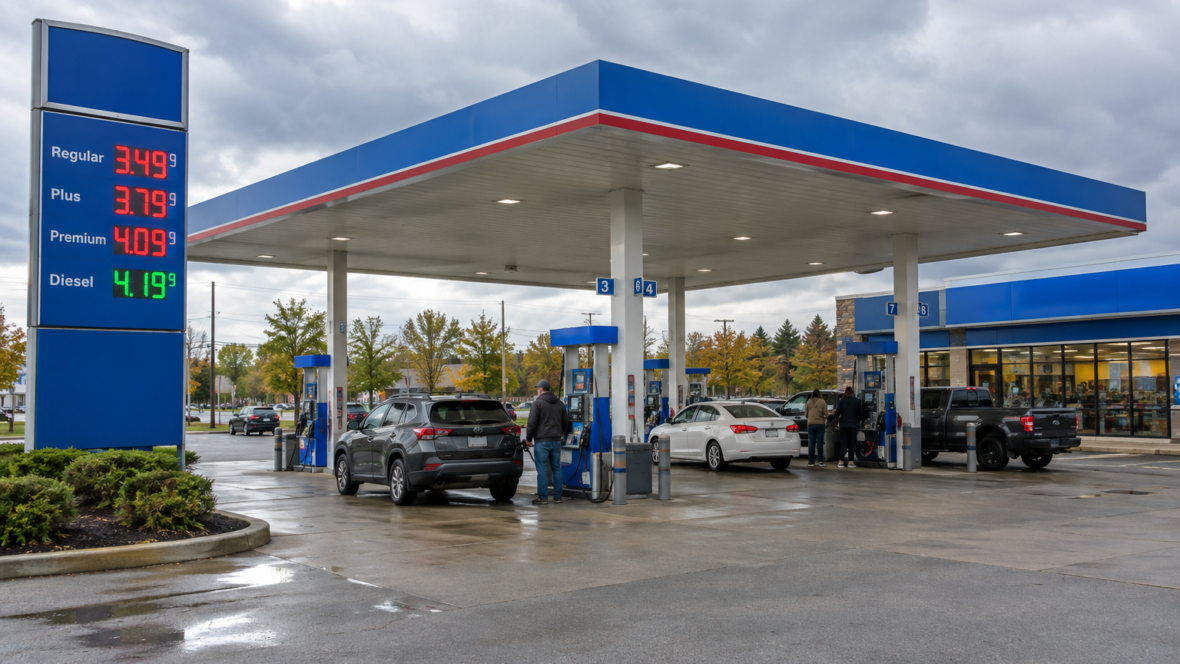
The Ministry of Energy of the Russian Federation (Minenergo) has proposed that the government raise retail prices for petrol and diesel fuel by 2.1 rubles per litre to offset oil companies’ losses from forced import purchases. The proposal was put forward by the Ministry of Energy of the Russian Federation (Minenergo), which addressed Prime Minister Mikhail Mishustin.
Estimates of losses and reasons for the proposal
Minenergo says that selling imported fuel on the domestic market is causing oil companies losses of 13−18 rubles per litre even after accounting for the state subsidy — the so‑called import dampener. The subsidy does not cover the additional sanctions premium over world prices and the logistics costs of delivery within the Russian Federation (RF).
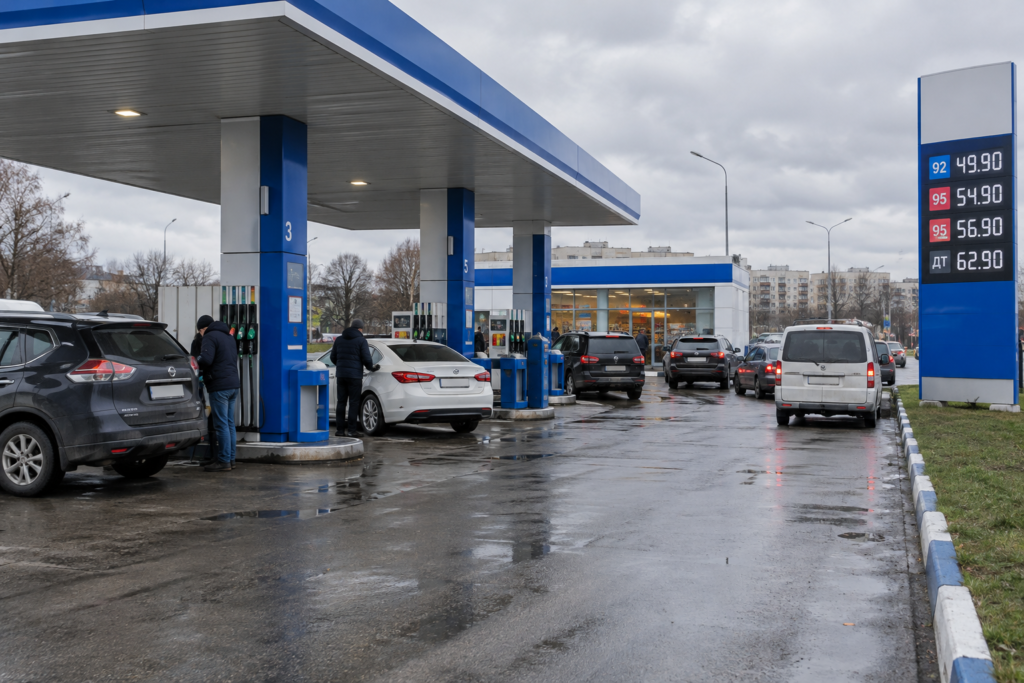
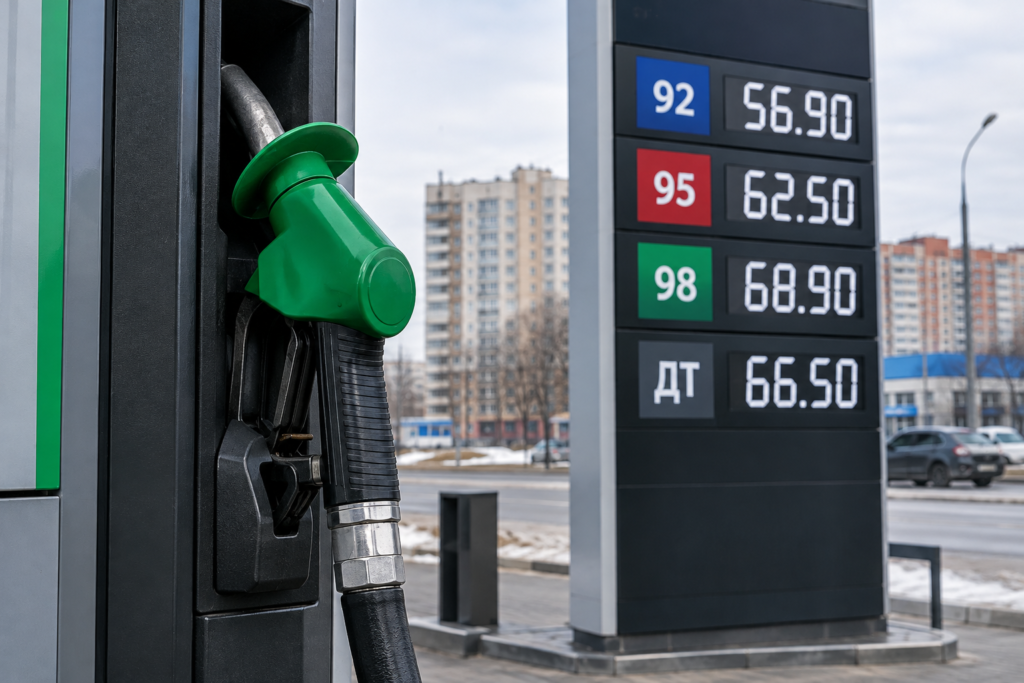
If the 2.1‑ruble‑per‑litre surcharge is approved, it is expected to bring companies roughly 12 billion rubles in additional revenue per month. The ministry also estimates that, by the end of the year, petrol at filling stations (petrol stations) will rise by approximately 11% (by 7.1 rubles per litre), and summer diesel by 10.7% (by 8.2 rubles per litre).
Alternatives to the dampener formula and budgetary consequences
An alternative option envisaged including in the dampener formula the cost of rail delivery of fuel from the Northwestern Federal District to the country’s centre (4−5 thousand rubles per tonne), which would have required up to 2 billion rubles per month from the treasury. However, the Ministry of Finance of the Russian Federation (Minfin) rejected such expenditures, shifting the burden onto consumers.
Since the start of the year petrol in the country has already risen by 20.5%, and diesel by 13.4%. The Central Bank has been selling gold from its reserves for 10 consecutive months, and the 2026 budget deficit could reach 7.3 trillion rubles, prompting the authorities to more actively use reserves and funds to cover expenses.