




According to Oksana Shulha, head of the small and medium-sized business department at Globus Bank, companies that have lost part of their production capacity or income due to an enemy attack should notify the bank about the problem before any debt becomes overdue.
Monthly instalments must remain manageable in case of falling sales
She noted that even financially strong firms cannot eliminate the risks of war entirely, but they can prepare for a temporary reduction in cash flow caused by shelling. A credit plan should not be based on maximum possible revenues: the monthly instalment must remain manageable in the event of falling sales, downtime or increased logistics and energy costs.
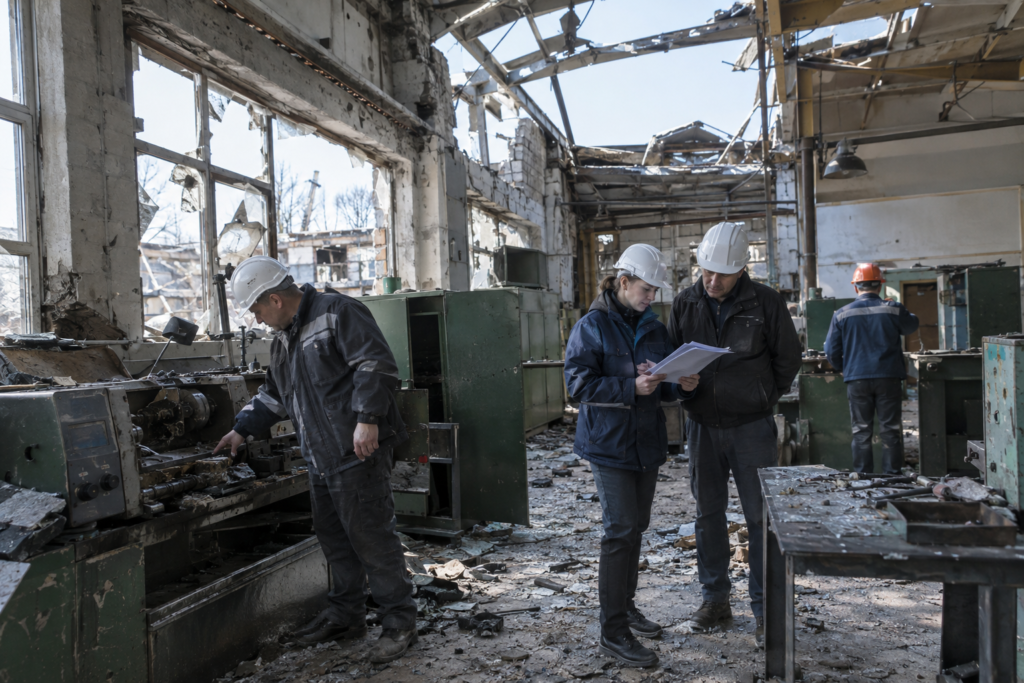
It is advisable for an entrepreneur to have a contingency plan: to understand which costs can be cut quickly, whether production can be relocated, where to find an alternative supplier or transport, and how the company will finance operations in the first weeks after property damage.
Timely communication with the bank can allow payment schedule adjustments or loan restructuring

Timely communication with the bank opens up more possibilities for finding a solution - from adjusting the payment schedule to restructuring a loan, if allowed by the programme’s terms. “An entrepreneur today must understand in advance what will happen with the loan if the business loses part of its income for several weeks, equipment requires repairs, or production has to be relocated urgently. This must become instinctive, because that is how real financial resilience is formed,” she emphasised.