


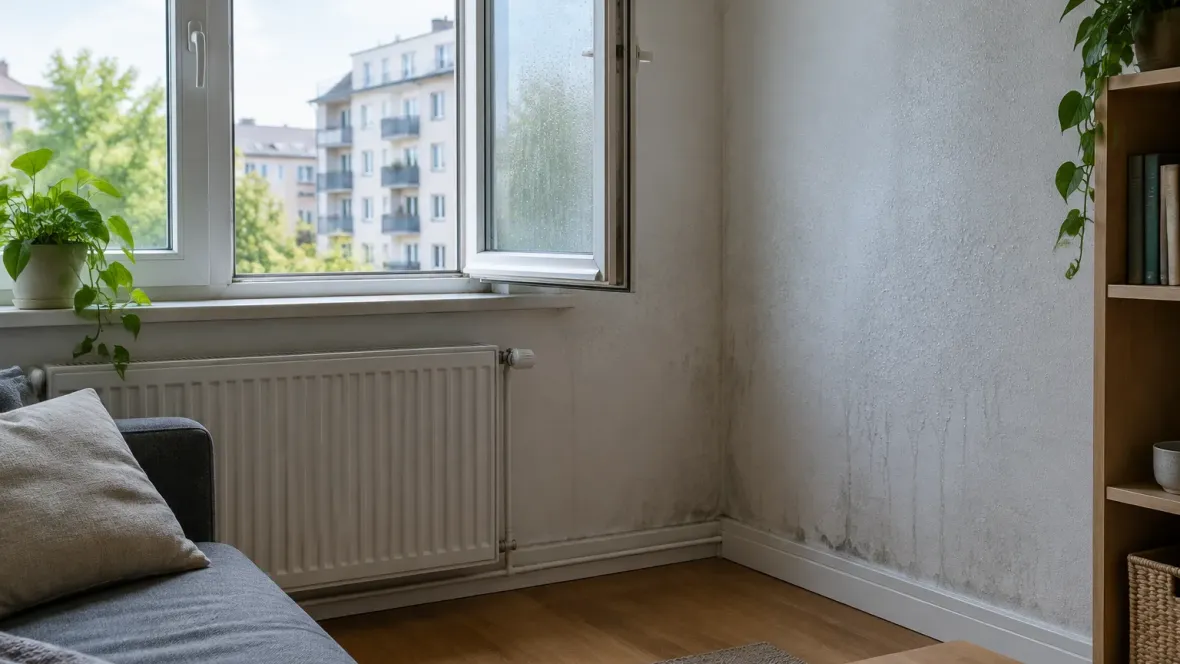
Energy-efficiency experts recommend short, intensive ventilation several times a day to avoid moisture buildup and the risk of mould in the home. Moisture accumulates when cooking, taking a shower, drying laundry and from people breathing; if it does not escape outside, it settles on cold walls and windows.
Why you shouldn’t leave a window ajar
Airing through a narrow gap in winter is considered ineffective: a small opening admits little fresh air while the room gradually cools. Heat from the radiator escapes outside, and cold surfaces form around the window and walls where condensation and mould can appear.

Short, intensive ventilation is regarded as the best way to renew the air. When windows are open it is advised to switch off the heating completely, and after airing turn it on again; at the same time you must not allow the temperature in rooms to fall below 16°C. To control humidity it is recommended to maintain a level from 40% to 60% and to use a hygrometer.
Duration and frequency of ventilation
Moisture accumulation in a home is noticeable: one adult can emit up to a litre of water overnight. Recommended ventilation durations change by season: 12−15 minutes in October, 8−10 minutes in November and 4−6 minutes from December to February.
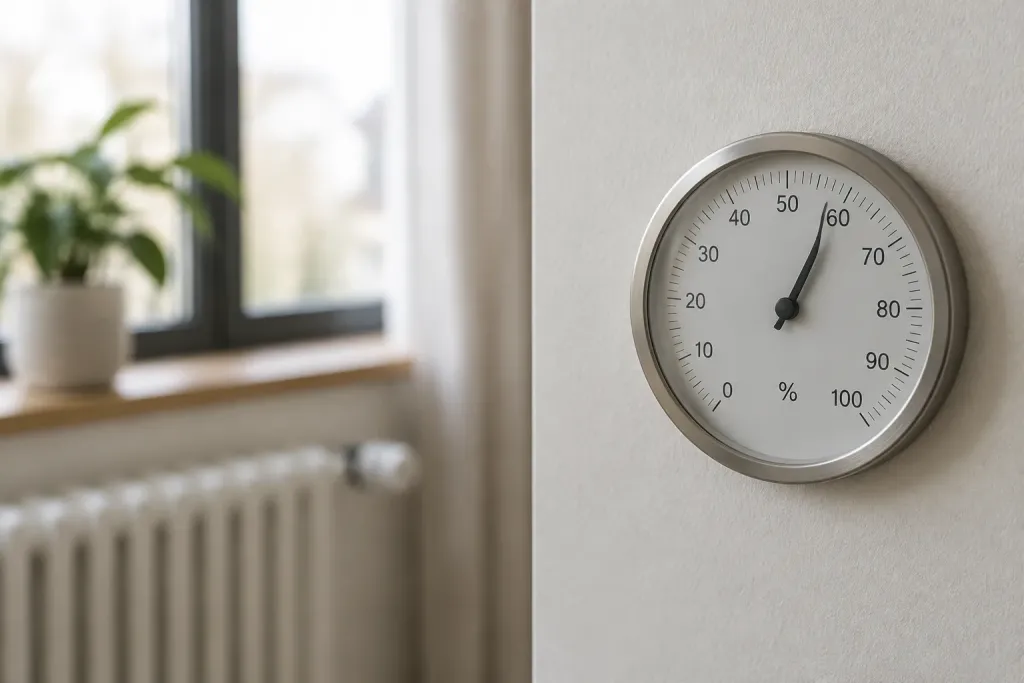
The air in the home should be completely renewed three to four times a day regardless of the season; in rooms where people spend a lot of time it is advisable to ensure air exchange roughly every two hours. The quickest renewal occurs when creating a draught by opening windows on opposite sides; if that is not possible, ventilation may take longer.