


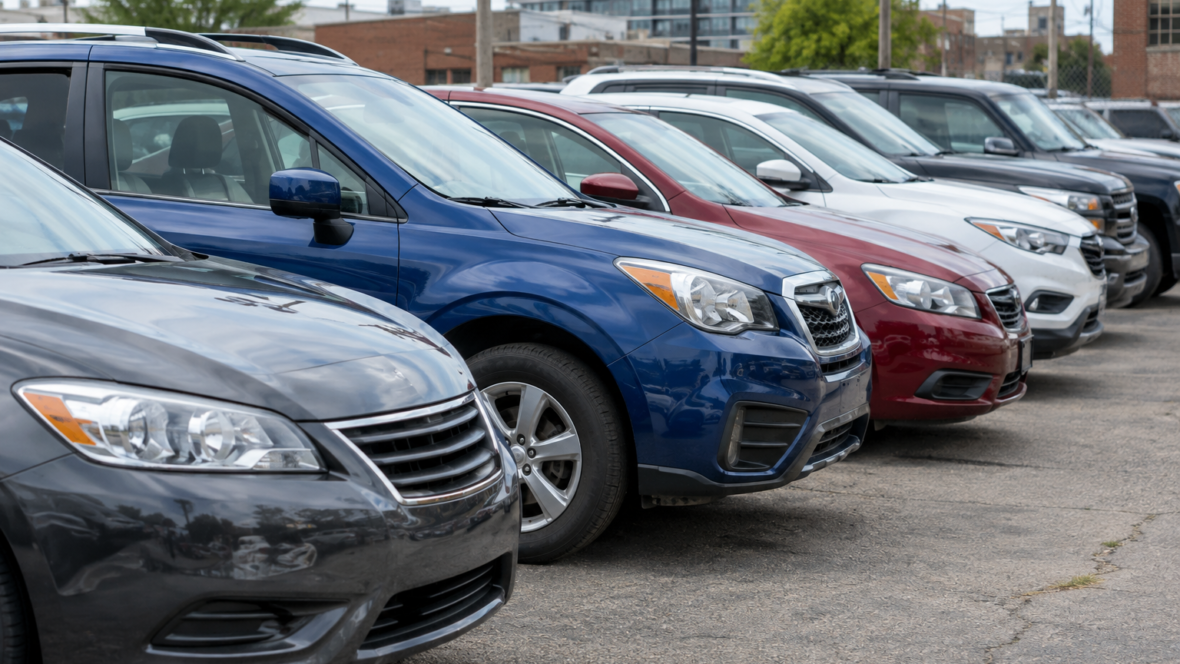
In carVertical’s annual study, Ukraine has for the second year running taken last place in a ranking of transparency in the used-car markets among 23 European countries. The study assessed cases of odometer tampering, hidden damage and the share of imported vehicles.
More than half of inspected cars show damage
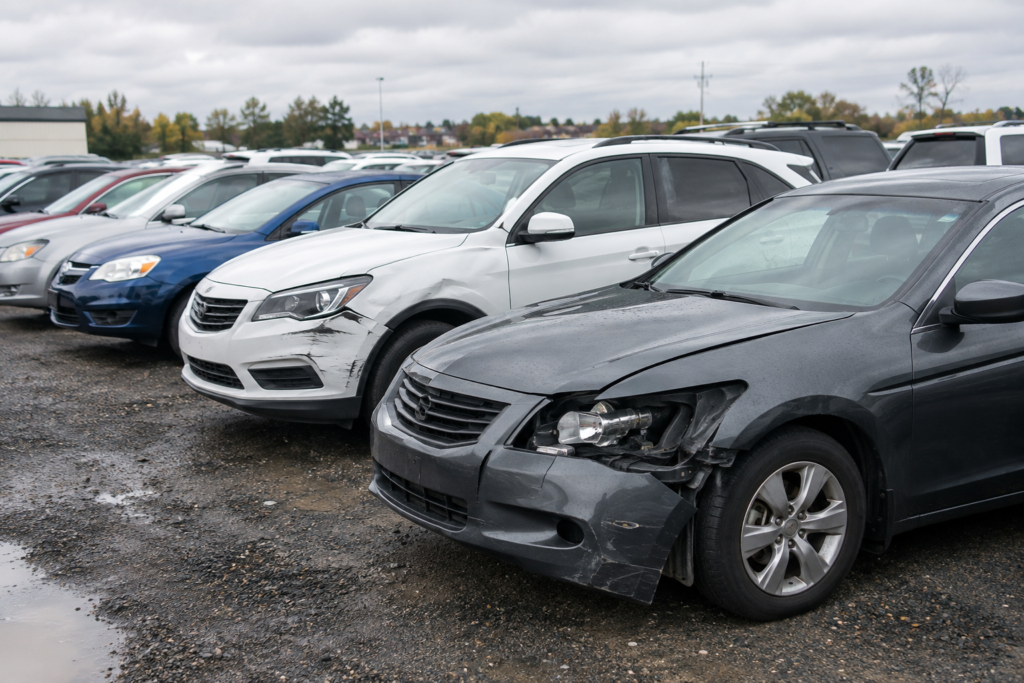
According to the study, more than half of the inspected vehicles showed signs of damage. The share of damaged cars and the scale of that damage are cited as indicators of a vehicle’s safety.
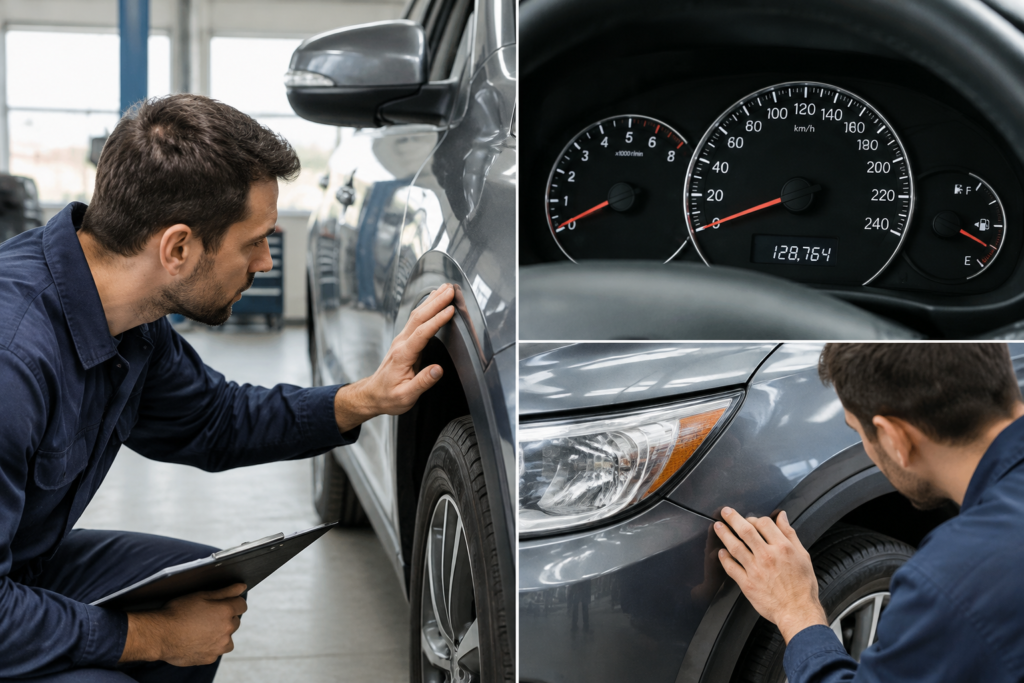
“Drivers still do not have enough information about what odometer fraud actually costs them. A rolled-back odometer not only misleads the buyer but also inflates the price they pay for a car that should in fact be worth less. The same applies to damage. The share of damaged vehicles and the extent of that damage indicate the real level of a car’s safety, so access to such data is not only a financial concern but also a matter of the physical safety of the people who drive these cars every day,” says carVertical analyst Ramunas Pletkus.
Import and the average age of cars in Ukraine
In 2026, imported vehicles accounted for 76.3% of all vehicles checked in Ukraine, compared with 78.4% in 2025. Despite the slight decline, the share of imported cars remains the highest among the countries studied.
The average age of the inspected vehicles remained unchanged over the year at 10.6 years. Heavy reliance on imports complicates access to a car’s history, since records of accidents, mileage and previous owners may be held in other countries’ public or private registers and become unavailable after importation.
Transparency ranking: leaders and laggards
The leader in the ranking was the United Kingdom: only 2.4% of vehicles checked there were imported, and odometer tampering was found in 4% of cars. Analysts link the high positions to a lower reliance on imports and better access to vehicle data.
The riskiest markets, according to the study, are Ukraine, Bulgaria and Latvia, which occupied the bottom three places. Vehicles that cross borders may have histories held in other countries’ public or private registers and are not always accessible to buyers.