



Start of the month and key indicators
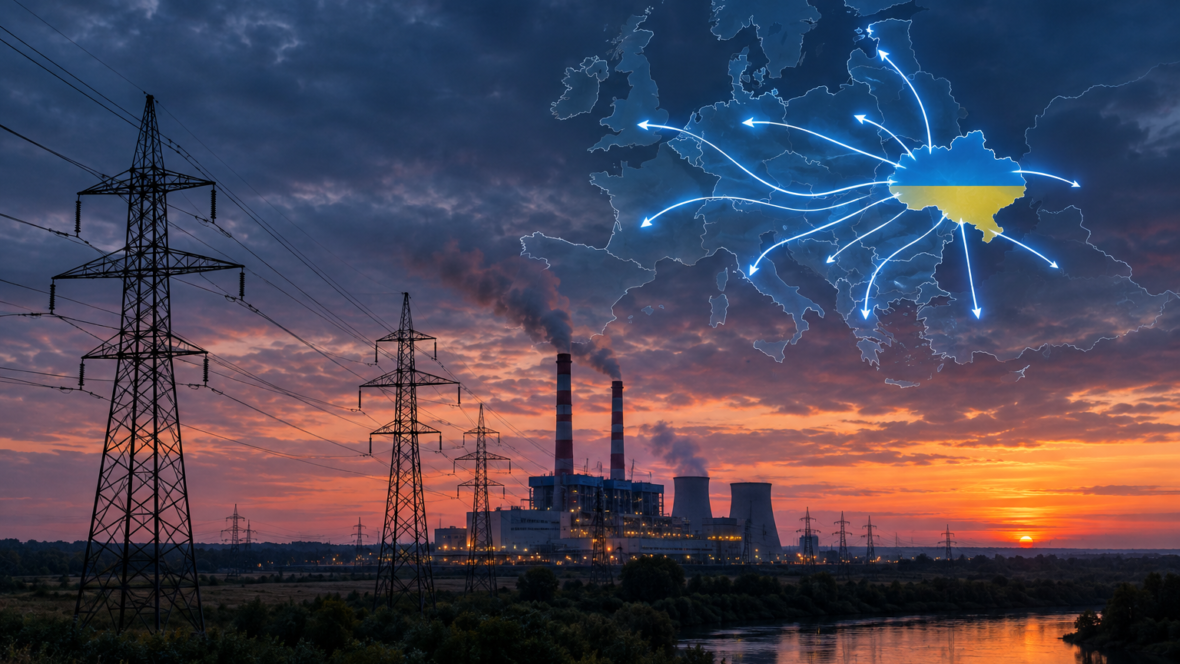
In September Ukraine sharply reduced electricity imports. Compared with August, imports fell by 58,6% and amounted to 76,1 thousand MWh. This is the lowest monthly volume since November 2023.
At the same time, exports rose by 24,4% to 473,7 thousand MWh. The analytical centre DiXi Group recorded this with reference to Energy Map data and reported. On the results of September, Ukraine became a net electricity exporter for the third consecutive month.
How flows changed during the month
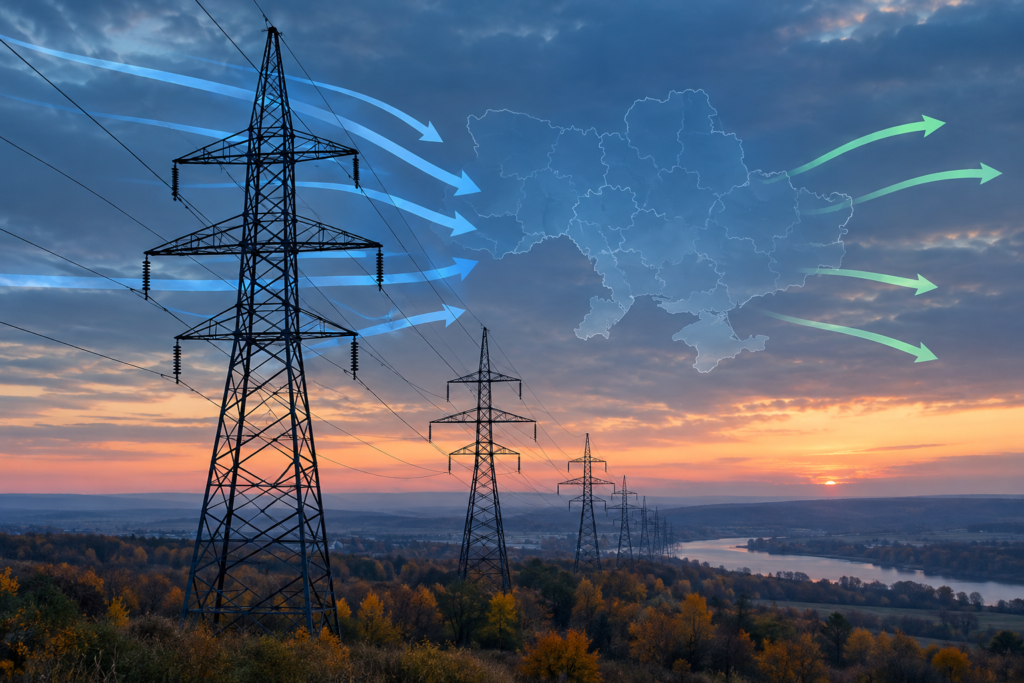
Exports took place every day and on almost every day exceeded imports. The daily import peak fell on 4 September and stood at 5,1 thousand MWh. After that, external purchases gradually declined.
In the first ten days of the month imports totalled 30,3 thousand MWh, while in the last ten days they fell to 20,1 thousand MWh. The maximum daily export was recorded on 11 September at 23,4 thousand MWh, illustrating the concentration of sales on particular days.
Weather affected generation and demand
The key factor behind trade dynamics remained the weather. September was noticeably cooler than August and the need for air conditioning practically disappeared. The heating season had not yet started and overall demand remained moderate.
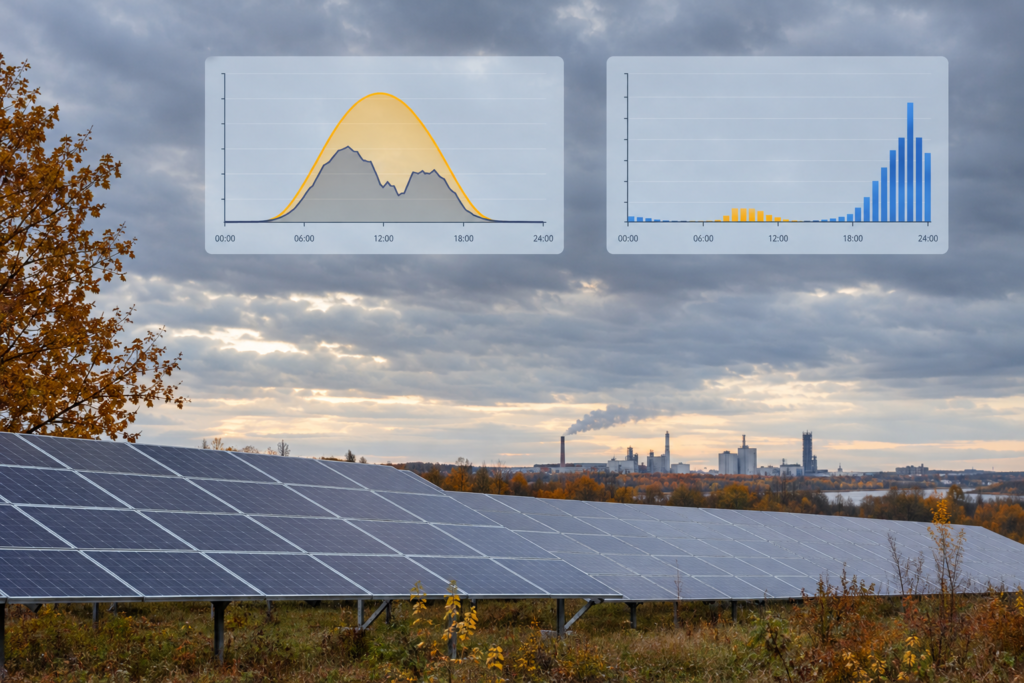
In addition, the shortening of daylight hours and increased cloudiness reduced output from household and industrial solar power plants. This was especially significant during 21–25 September when cooler, rainy weather reduced exports. On 23 September daily exports fell to 5,5 thousand MWh, and in some hours exports did not take place at all.
Night-time sales and changes in consumption
Hourly data show that exports increased primarily during night hours. In the 22:00—06:00 interval sales rose by 35,5%, while during the rest of the day the increase was 17,3%. This shift indicates a different demand structure in the system.
Former Energy Minister Olga Buslavets links part of the changes to a reduction in industrial consumption as a result of attacks on energy-intensive enterprises. According to her data, in August industry consumed 23% less than a year earlier and the metallurgical sector reduced consumption by 45%.
Market prices and the impact of CBAM
The price situation on the market was favourable for exports. In September the average day-ahead market (DAM) index for baseload in Ukraine amounted to 116,2 €/MWh. This is noticeably lower than neighbouring countries and created attractive opportunities for sales abroad.
For comparison, the index was 149,8 €/MWh in Poland, 163,8 €/MWh in Slovakia and 174,4 €/MWh in Romania. At the same time, since 1 January 2026 the carbon border adjustment mechanism (CBAM) has been affecting Ukrainian electricity on the European market, which increases the cost of supplies and undermines price competitiveness and exporters’ margins.
Where imports came from and where exports went
Imports
Compared with August 2026, imports decreased on all directions within the range of 37−87%. Trade with Slovakia continued only in the first five days of the month, and from 6 September volumes on that direction were zero.
Another reference point for understanding the scale of change is September 2025, when imports amounted to 139,7 thousand MWh, which is 83,5% more than in September 2026.
Exports
Exports to Romania, Hungary and Moldova in September rose by 14−36% compared with August 2026. At the same time deliveries to Poland and Slovakia decreased by 39% and 75% respectively.
On a year‑on‑year basis total export volume fell by 25,4% compared with September 2025 when it amounted to 635,1 thousand MWh. Despite this, September 2026 exports were the largest monthly volume since September 2025.
System status at the end of September
At the end of the month the trade balance showed a clear advantage of exports over imports. Sales abroad in September exceeded purchases by 6,2 times, underlining the current export orientation of the power system.
At the same time, weather fluctuations and the impact of CBAM remain factors that could change the picture in the coming months. Until the end of the heating season and taking into account industrial recovery, demand and supply dynamics may shift.