


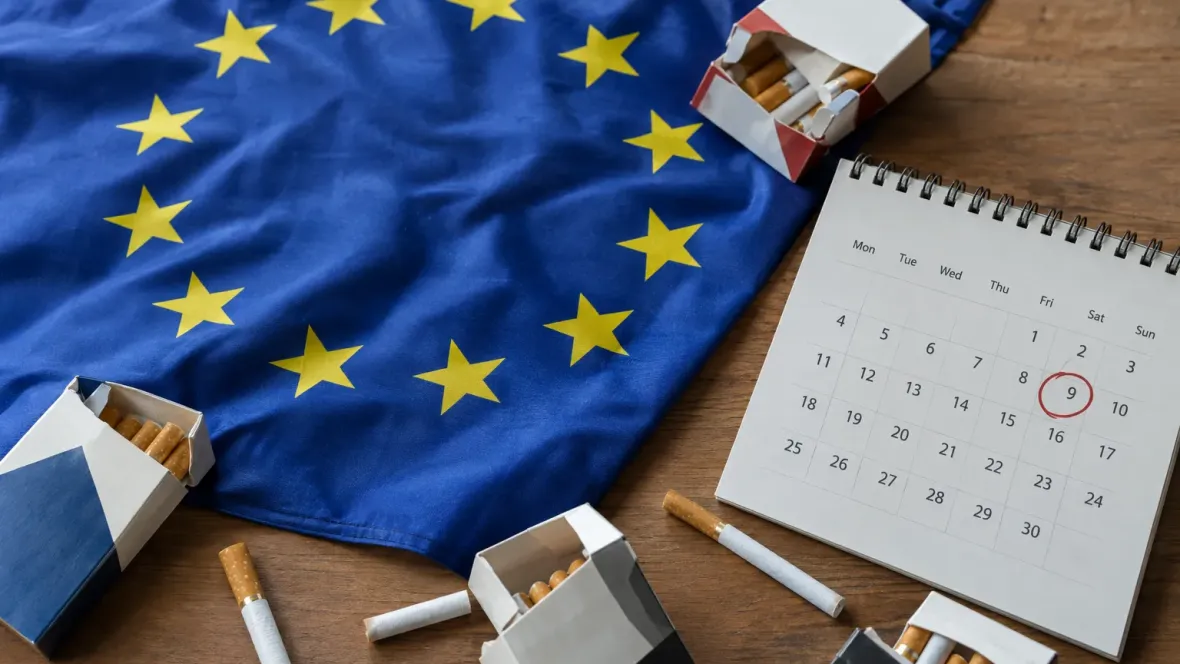
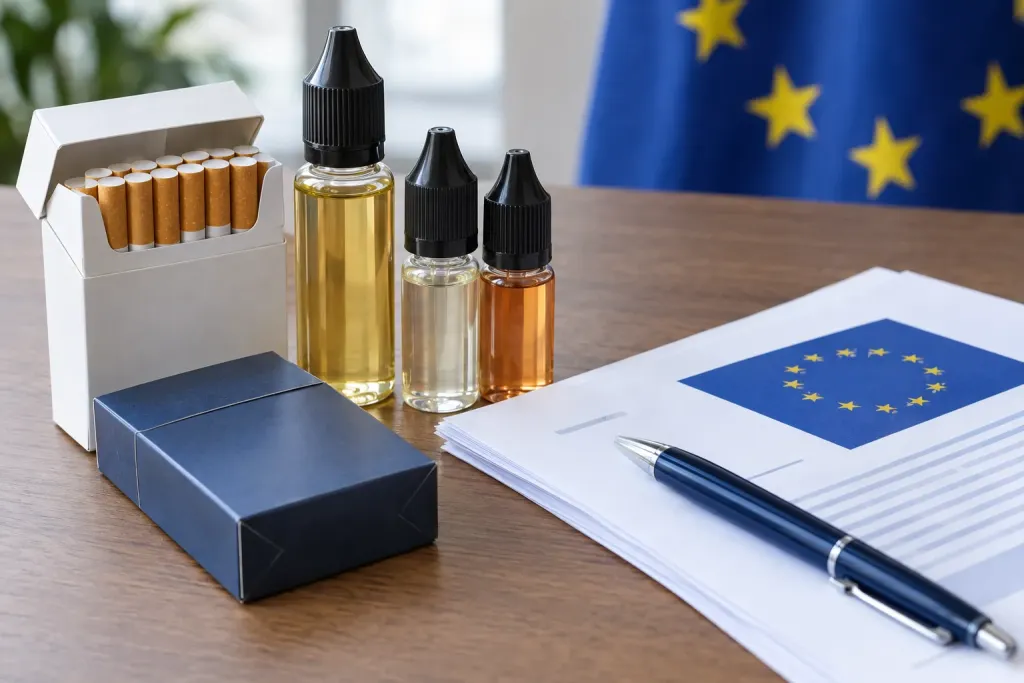
The European Union (EU) is discussing reducing the indicative limit on the transport of cigarettes between countries from the current 800 pieces to 200 pieces, that is, from four blocks to one. At a meeting of finance ministers in Brussels on 9 November they were unable to agree on the reform; the next attempt is planned for December.
Proposed new limit on cigarettes
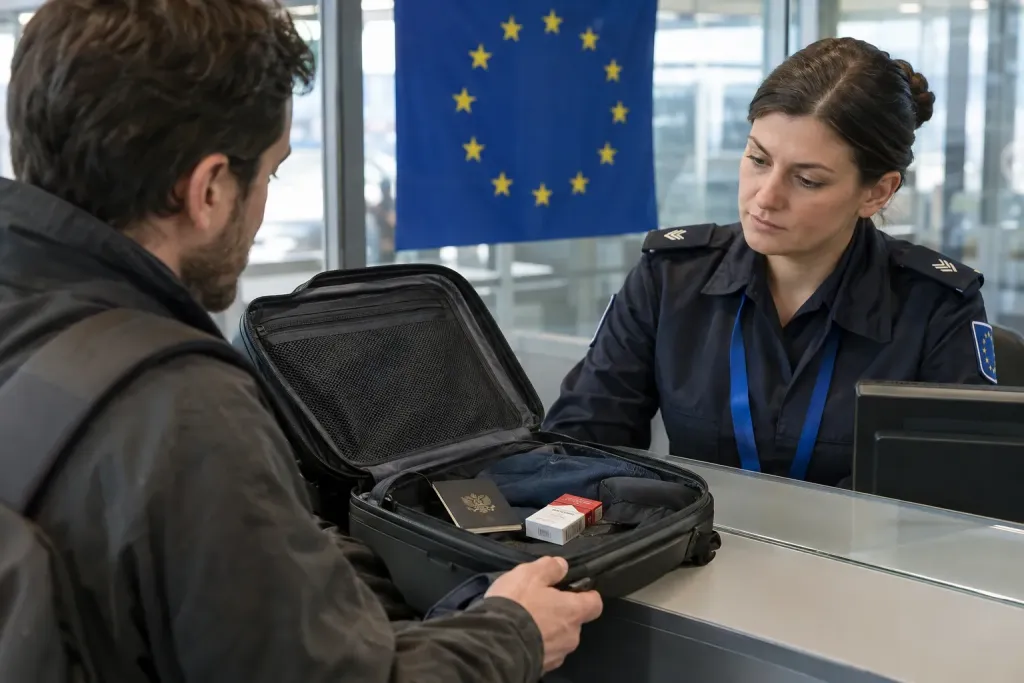
The current benchmark for determining the transport of tobacco products for personal use is 800 cigarettes - four blocks. The Irish Presidency of the Council of the EU has proposed lowering this benchmark to 200 cigarettes - one block.
Member states will have the option to set higher allowable quantities, so exceeding the benchmark itself will not automatically mean a fine: the circumstances of the transport must be assessed separately. The change could make trips to neighbouring countries to buy cheaper tobacco products more difficult.
Excise reform and rules for new products
The reform includes a review of minimum excise rates on tobacco products and the extension of common tax rules to new nicotine products, including electronic cigarettes and nicotine pouches. According to a source, the compromise also contains a reduction in the indicative volume of e-liquid for electronic cigarettes from 100 to 40 ml.
The aim of the proposed changes is to reduce differences in tobacco taxation between countries, curb cross-border purchases of cheaper cigarettes and combat illicit trade. Representatives of the tobacco industry warn that overly strict restrictions could push some consumers towards the illegal market.
Timeline and procedure for adoption
The reform requires unanimous support from all 27 EU countries. The lack of consensus blocked adoption at the meeting on 9 November; further negotiations are scheduled for December.
According to the source, if an agreement is reached, countries will have to transpose the new requirements into national law during 2027, and the rules could come into force in early 2028. For now, the existing rules have not changed.