


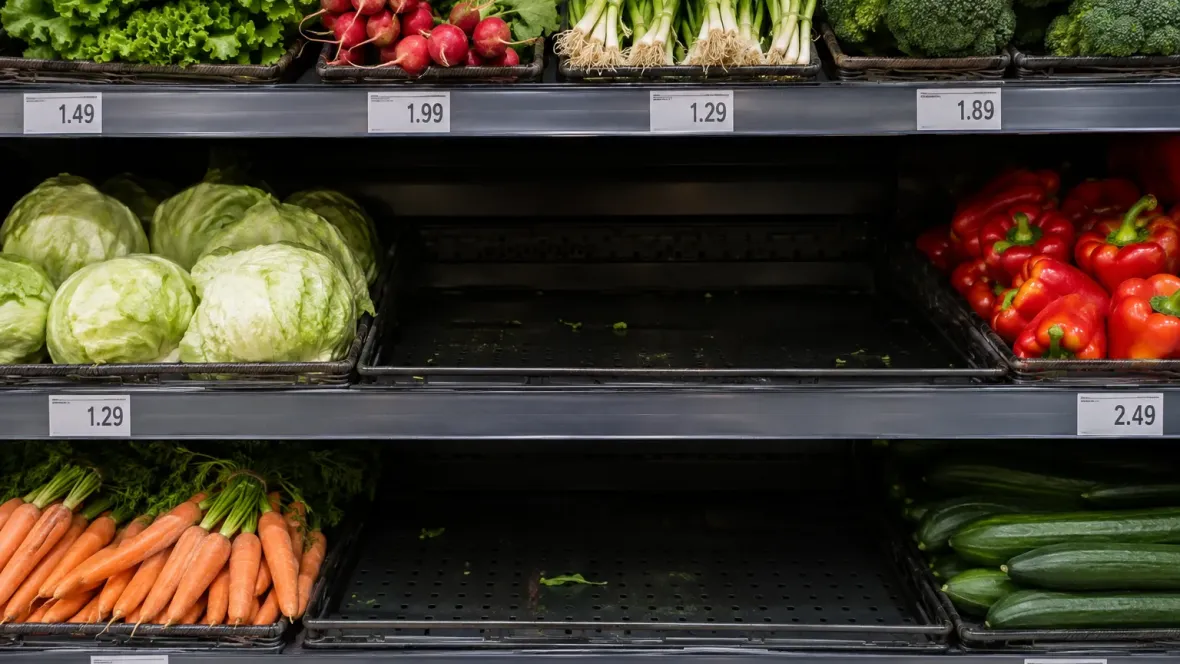
According to Eurostat, food price inflation in Europe has accelerated again, with fresh products — fruits, vegetables, meat and fish — rising the fastest.
In Italy, unprocessed food price growth accelerated in October
In October in Italy prices for unprocessed food rose by 7.5% year on year, up from 5.5% in September. The cost of a standard consumer basket, which includes food, household goods and personal hygiene products, increased by 2.5% after a 1.5% rise the month before.
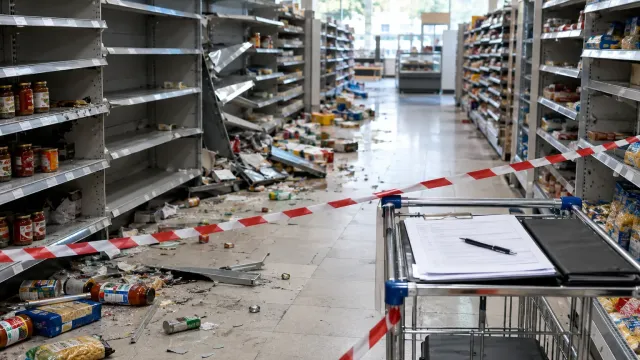
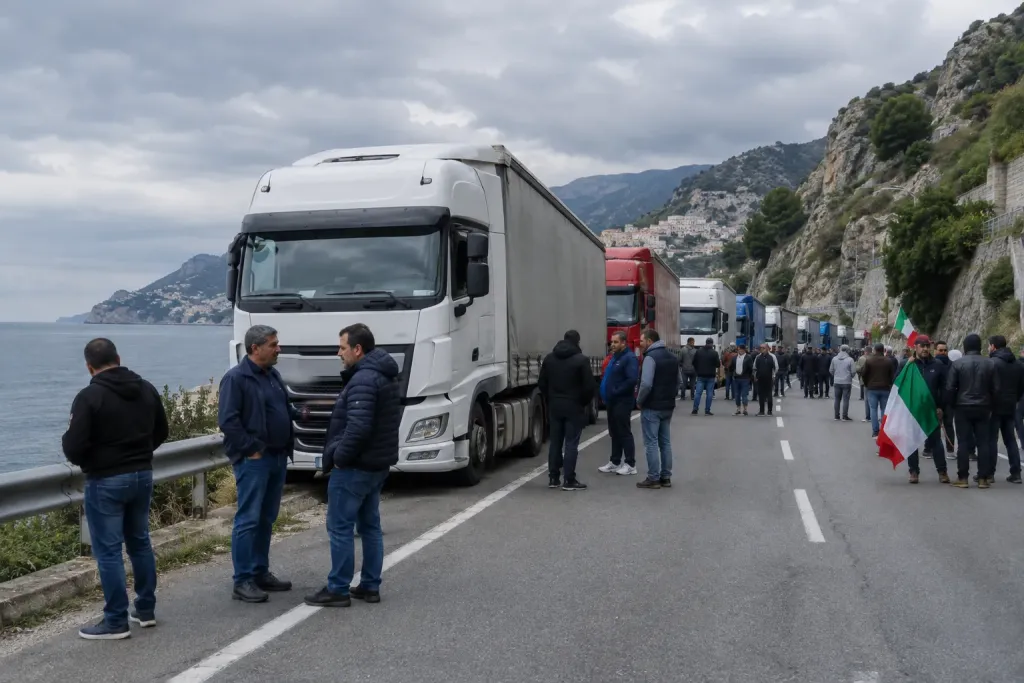
The increase was partly driven by logistical problems: at the end of October truck drivers in southern Italy blocked roads and ports for around two weeks in protest at the high cost of diesel fuel. The stoppage of shipments in the regions of Campania, Apulia and Calabria created shortages of meat, fresh milk, fruit and bottled water, and in some small shops shelves were emptied in a single day.
Annual figures: in September the highest rates were in Cyprus, with Turkey far ahead
For September 2026, the last month for which comparable statistics are available for all countries of the European Union (EU), the highest annual increase in prices for food and non-alcoholic beverages was recorded in Cyprus.
Outside the EU, Turkey is experiencing much higher rates: there food prices rose by 27.6% year on year. At the same time, in 14 of the 27 EU countries food prices in September were lower than a year earlier; in Sweden they fell by 6.3% after the value-added tax (VAT) rate on food was cut from 12% to 6%, which came into effect on 1 April 2026. Falls were also recorded in Latvia, Hungary and the Czech Republic, in the range of 3.8–4.8%.
In the major economies: fresh products are rising faster than other categories
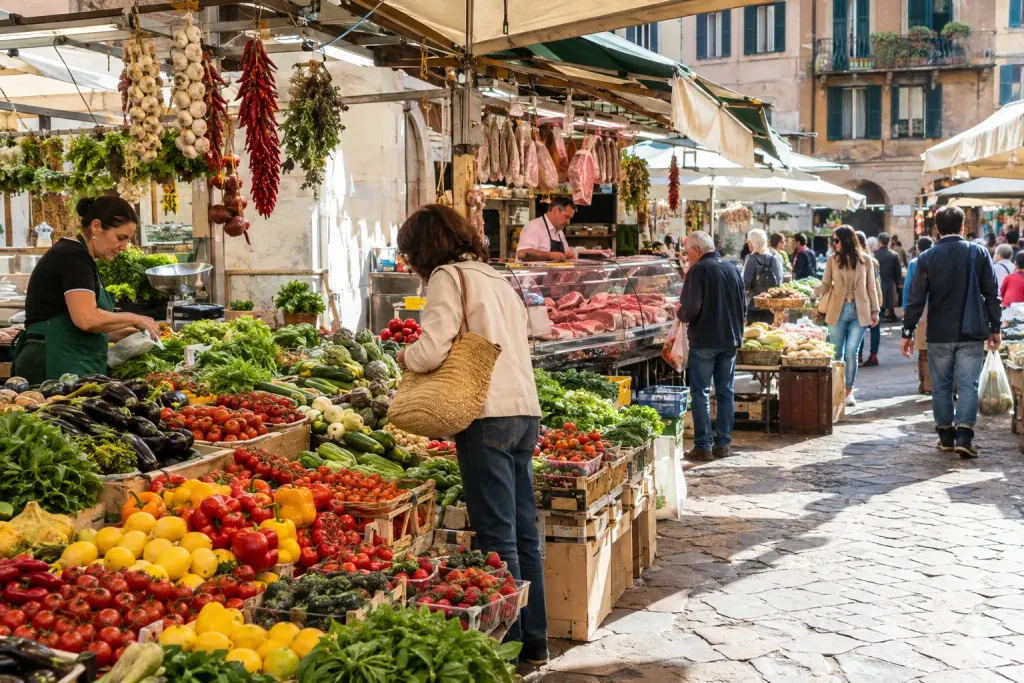
In France in October overall food inflation was 1.2% year on year, while fresh products rose by 8% (compared with 9.5% in September). In Italy unprocessed products increased by 7.5%. In Portugal, by mid-September the pace remained at 3.7%. In Germany overall food inflation was 0.4%, and in Spain prices continued to rise but at more moderate rates than a year earlier.
According to Eurostat, inflation in the euro area reached 4% in October — the highest level in more than three years. Energy prices rose by 20.8% compared with a year earlier, and food, alcohol and tobacco overall were up 1.6%. Processed food, alcohol and tobacco contributed 0.5%, while unprocessed products increased by 4.6% (it was 2.7% in August).
Why fresh food prices are rising faster and regional consequences
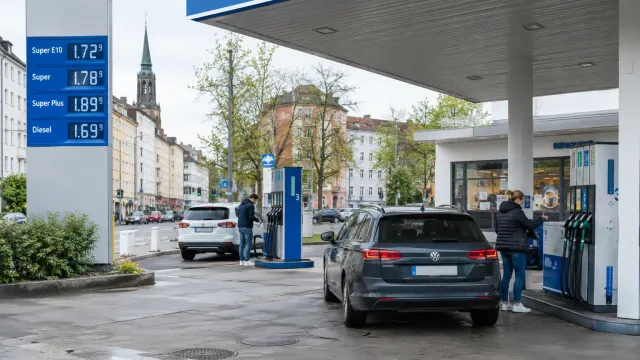
The difference in growth rates is explained by production and delivery costs: agricultural machinery runs on diesel, greenhouses require heating, and most fresh products are transported by truck. Rising fuel and energy costs quickly feed through into the final price of fresh goods, which are harder to store for long periods.
Oxford Economicschief economist for Italy Nicola Nobile noted that energy and food have become the main drivers of the acceleration in inflation, while underlying price pressures have remained relatively stable. Pantheon Macroeconomics forecasts that euro-area inflation could peak at around 4.5% in January, and the firm expects the European Central Bank to raise interest rates in December.
Accumulated price rises since 2021 have been stronger in Eastern Europe
Over the period since September 2021, food in the European Union has become about one-third more expensive overall. The largest cumulative increases were recorded in Central and Eastern European countries, while in Luxembourg, Sweden and France the accumulated rise is around 25%.
Households in Eastern European countries spend a larger share of their incomes on food than those in wealthier Western European states, so even a small additional price increase has a stronger impact on family budgets.