


Loans have become a survival tool for SMEs
Small and medium-sized businesses in Ukraine are increasingly taking loans not to grow but to preserve operational capacity. Under the impact of massive missile and drone attacks, borrowers’ motivation has shifted from investing in expansion to covering the consequences of external shocks.
According to Oksana Shulha, director of the small and medium business department at Globus Bank, the war has forced a reassessment of priorities. Money is now needed to repair damaged premises and equipment, to operate during power supply problems and to cover costs during logistical disruptions.
Where businesses direct loan funds after the attacks
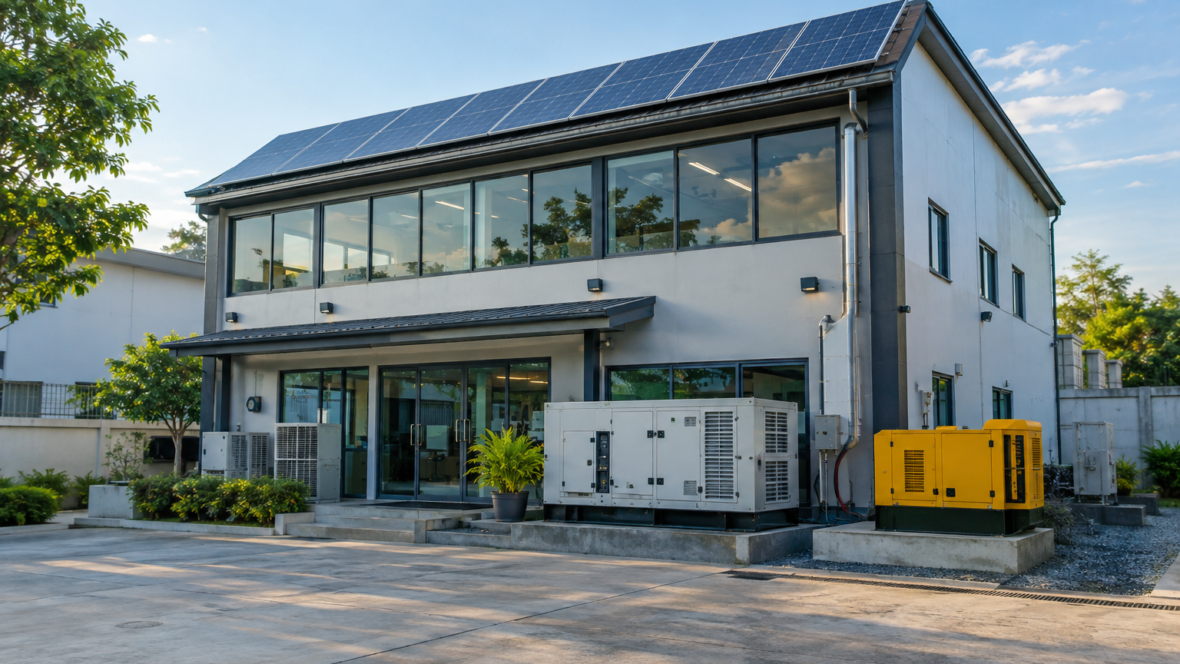
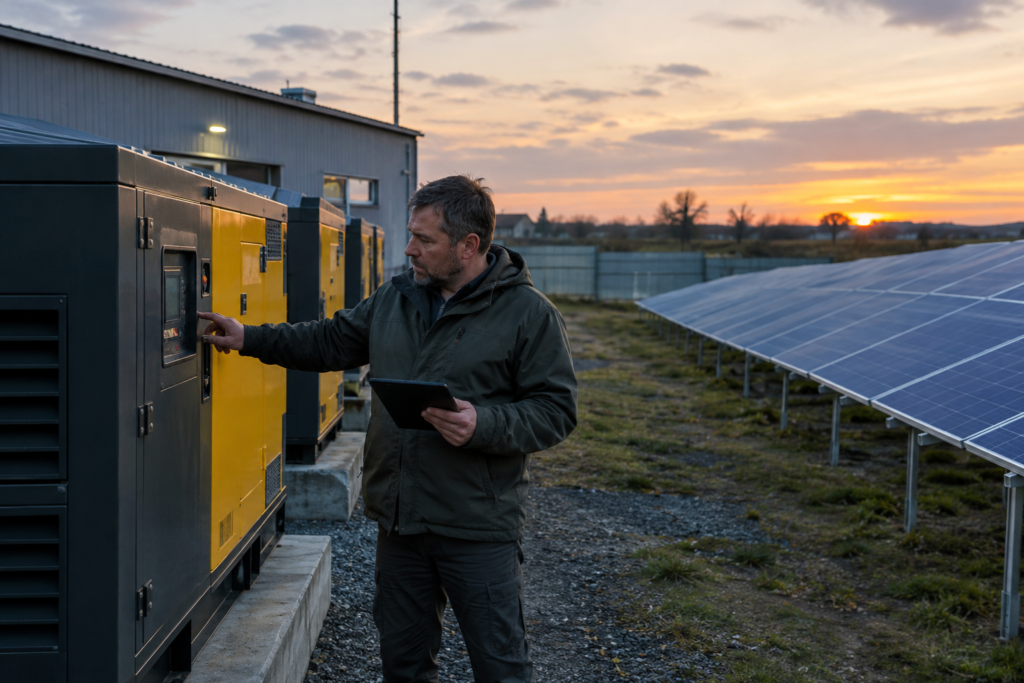
Entrepreneurs invest in measures that minimise the risk of downtime. These include generators and energy storage systems, backup equipment, transport and the restoration of fixed assets. Part of the loans goes to replenishing working capital after forced stoppages to ensure supply and payroll.
This shift means that credit serves not only to scale production but also as a buffer against external shocks. For different companies the “cushion” can take different forms, from solar installations to a replacement vehicle for one that was damaged.
Banks finance energy resilience and tally the results
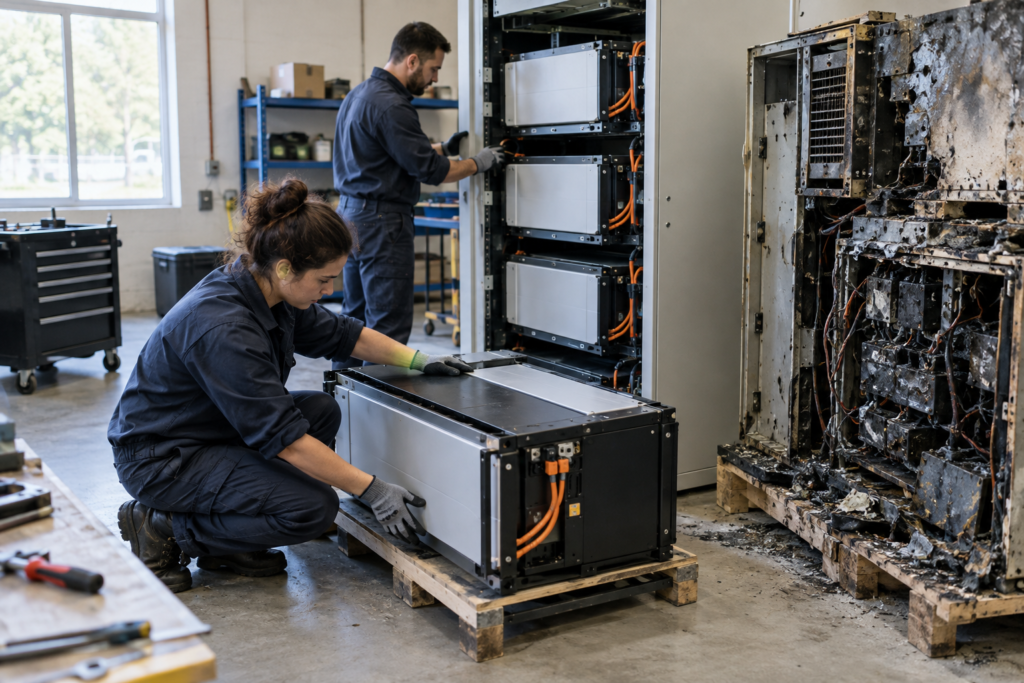
A separate area of lending focuses on energy resilience projects. Under a joint memorandum, Ukrainian banks as of September 2026 provided businesses with UAH 58.5 billion in loan funds for such projects. This covers not only new generation but also energy storage systems and the modernisation of heating equipment.
These investments reduce companies’ dependence on centralized power supplies and help ensure uninterrupted operation in the event of further attacks. “In conditions of constant attacks, credit increasingly serves one more function — it becomes a financial cushion of resilience. Businesses can borrow not only to produce more but to continue operating at all,” Oksana Shulha explained.