


Order of the Commander-in-Chief of the Armed Forces of Ukraine (AFU) No. 423 of 6 October 2026 regulates the procedure for the stay of persons liable for military service in territorial recruitment centres (TRC). The document sets out guarantees for contact with relatives and a lawyer, the preservation of personal belongings, procedures for transfer, video recording, medical examination and everyday provisions.
Right to contact and retention of personal belongings
An official must establish whom the citizen wishes to notify of their whereabouts: a relative, a lawyer or another trusted person. The TRC duty officer must make the telephone call to the specified number, record the fact of the call, the number and the recipient’s name in the log and, if necessary, repeat the attempt to contact them.
The instruction enshrines the right to legal assistance and confidential consultation with a lawyer. Merely being present in a TRC is not a ground for seizing a mobile phone, belt, shoelaces or other personal items; voluntary handover for safekeeping must be documented by an act in two copies, and handing over a phone does not entitle staff to examine its contents.
Procedure for transfer and the role of the police
The order delineates the powers of TRCs and the National Police: TRC staff may not independently carry out administrative detention or forcible transfer. Such measures may be carried out by authorised officers of the National Police where grounds provided by law exist, and police service vehicles must be used to transport detainees.
TRC vehicles or the private transport of servicemen are not permitted for transfers. After arrival at a TRC, officials must establish the person’s identity, clarify the grounds for the transfer and record the time of arrival; where administrative detention occurs, the relevant procedural documents must be drawn up. A malfunction of the “Oberig” register in itself is not a ground for forcible transfer, and refusal to present military registration documents and refusal to accept a summons are treated as distinct legal situations.
Video recording, living conditions and catering
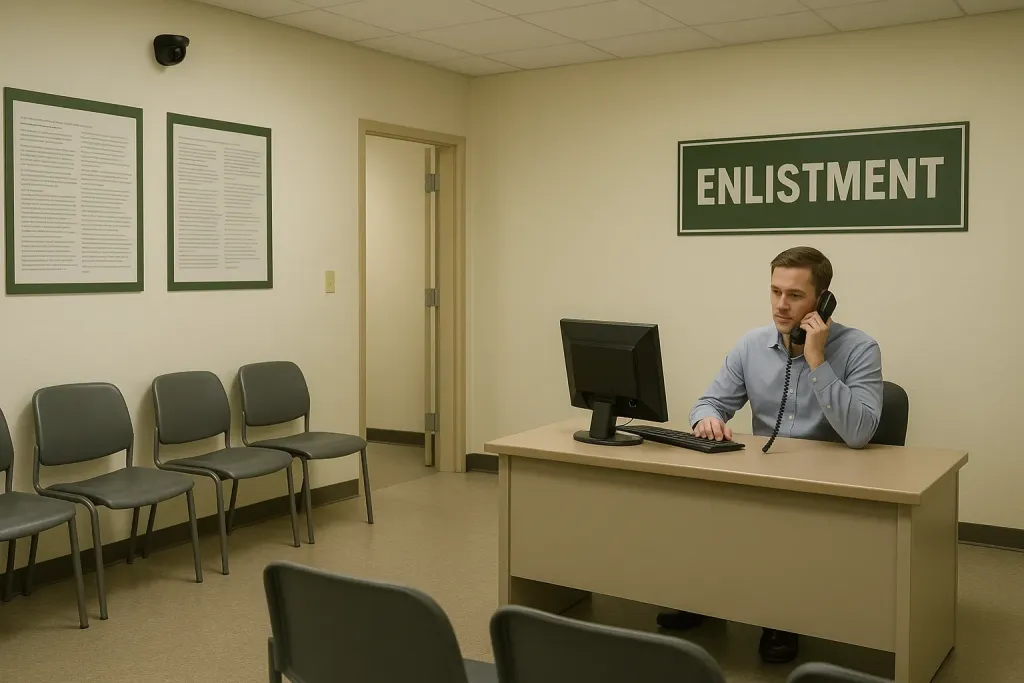
The instruction requires continuous video surveillance in rooms where persons liable for military service are located; recordings must be retained for at least 30 days and appropriate signs must inform people of this. Video recordings are intended to reconstruct the sequence of events, verify the circumstances of a person’s stay in a TRC and be used when considering complaints.
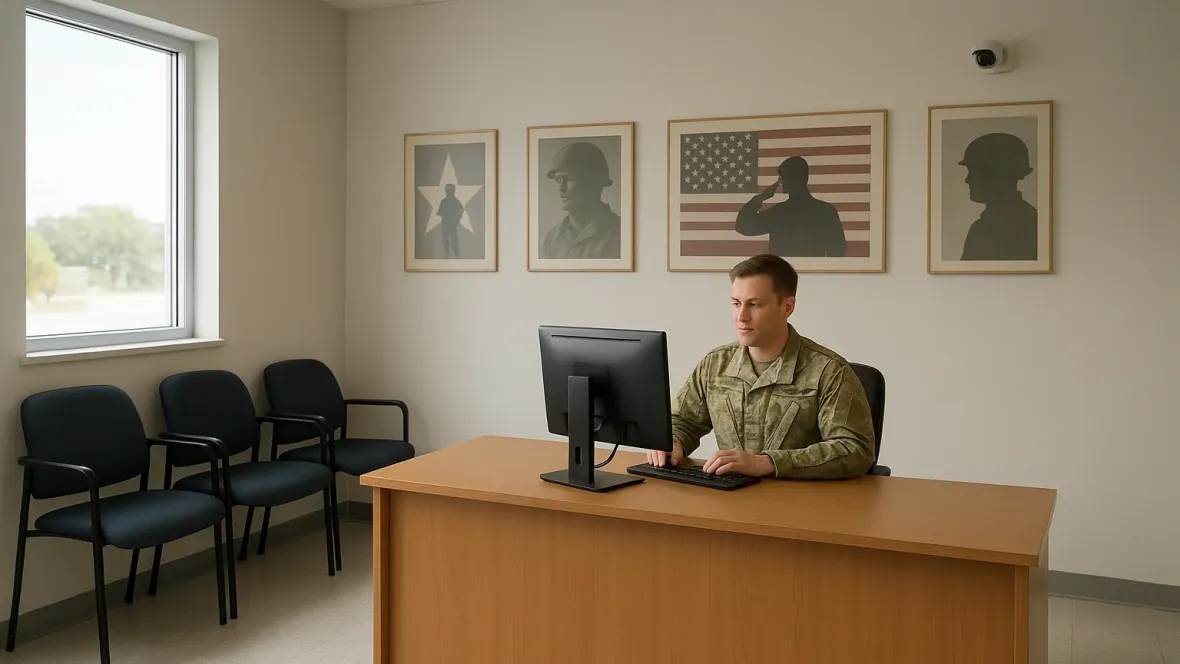
Requirements for premises include a sufficient number of seats, adequate lighting, natural or artificial ventilation, drinking water and access to sanitary facilities. For people who are waiting for an extended period prior to deployment, menus must be planned a week in advance, and the daily energy value of the diet must be at least 3500 kilocalories; catering is organised in canteens or temporary points, field kitchens or tents where necessary.
Medical examinations, deferments and legal remarks
A person may not be sent for a medical examination before the TRC commission has made a decision on the granting or refusal of a deferment. Data to verify grounds must be checked against original documents and via interaction of the “Oberig” register with other state registers; training centres provide an initial medical examination and a social‑psychological adaptation programme lasting two to three days.
Candidate of Legal Sciences Marina Stavniychuk drew attention to a possible legal collision in the provisions of the order: on the one hand, issuing a summons, forming a team or awaiting deployment are not named as grounds for detention, while on the other hand there are provisions imposing an obligation on individuals to remain in the assembly room without permission from TRC management. She also noted the need to legislatively define the powers of TRCs and the police, the procedure for challenging actions and the personal liability of officials for exceeding their powers.