


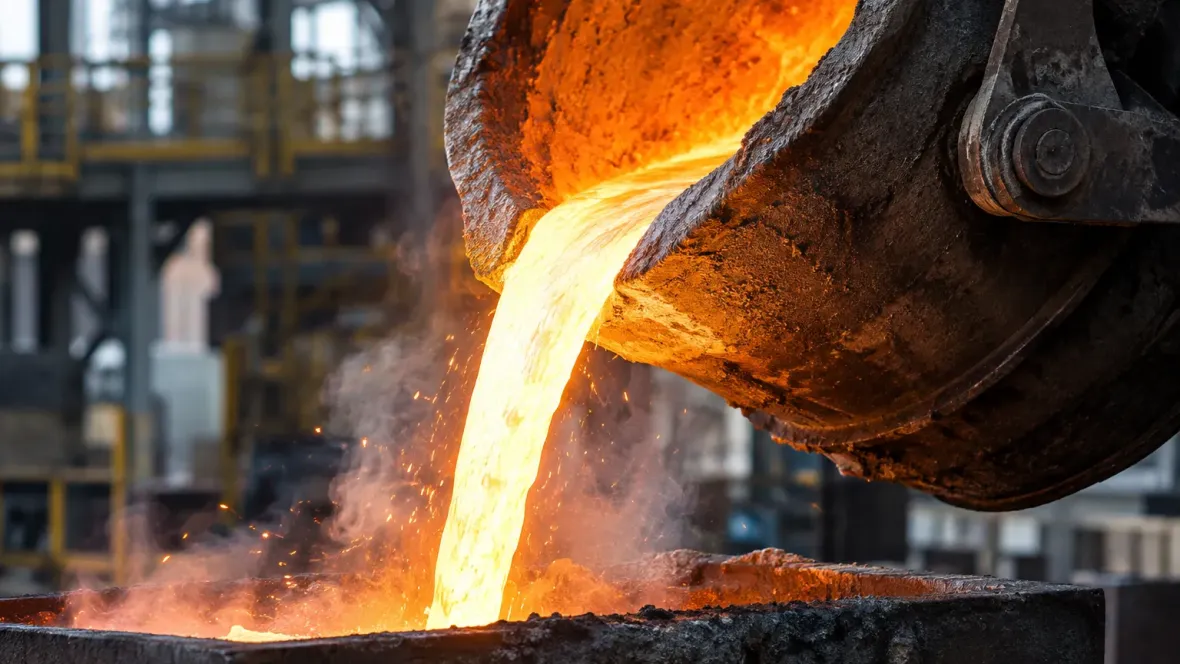
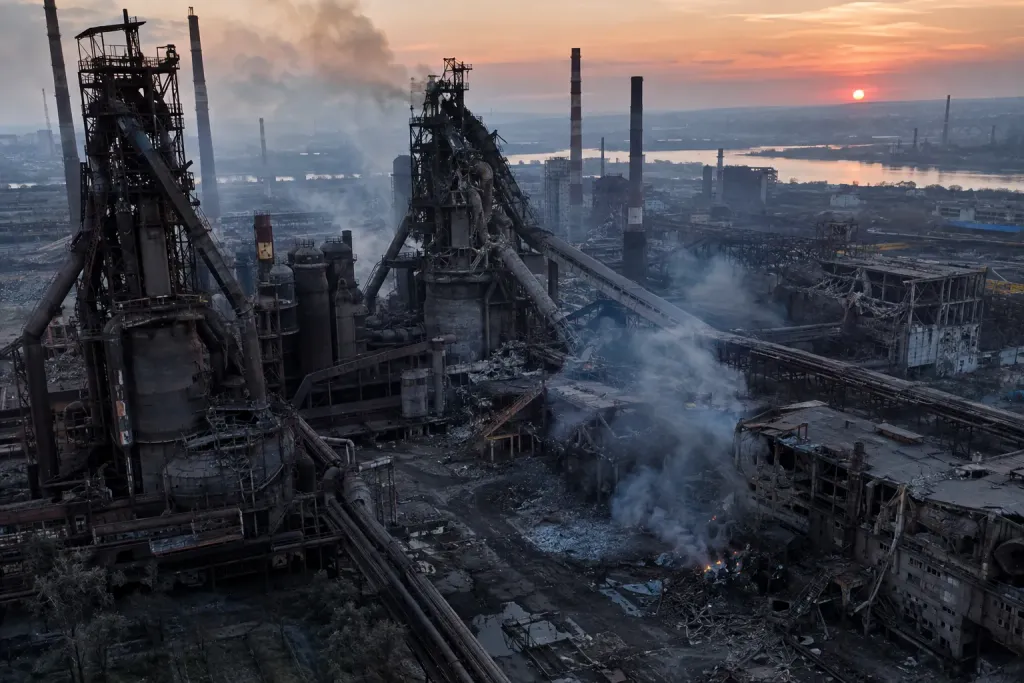
Devastating strikes by Russian forces have brought Ukrainian metallurgy to a practical standstill: after attacks on key plants, around 90% of metal production has been stopped. In September there was a week when, for the first time in 100 years, not a single tonne of steel was produced.
Gross domestic product (GDP) and the contraction of the sector
Metallurgical production and the extraction of iron ore have historically provided up to 10−12% of total gross domestic product (GDP) in periods of relative stability. Metallurgy transforms ores into high‑margin products - pig iron, steel, rolled products and pipes - which increases the volume of output produced domestically.
The mining and metallurgical complex (MMC) has a high multiplier: “1 hryvnia of value added in the MMC generates 2−3 hryvnias in related industries.” The sector buys electricity, gas, chemical products, engineering goods and uses railway and port services, while also providing hundreds of thousands of jobs and wages.
Links with energy and logistics
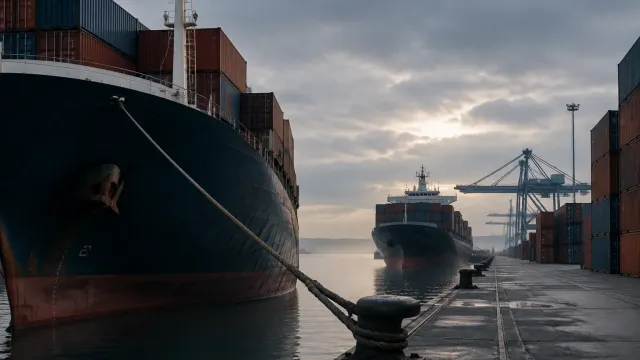
The decline in metallurgy affects the energy sector, the extractive industries, rail logistics, ports and small businesses due to reduced demand for resources and services. The fall in production causes losses in related industries that used to earn revenue from supplies and services for metallurgy.
All payments made to related industries are counted as these sectors’ contribution to GDP, while the primary source of those payments was metallurgy itself. Wages of MMC workers and their spending on goods and services were also included in GDP calculations.