



Why did dollar-denominated spending rise to $764 mln in August 2026?
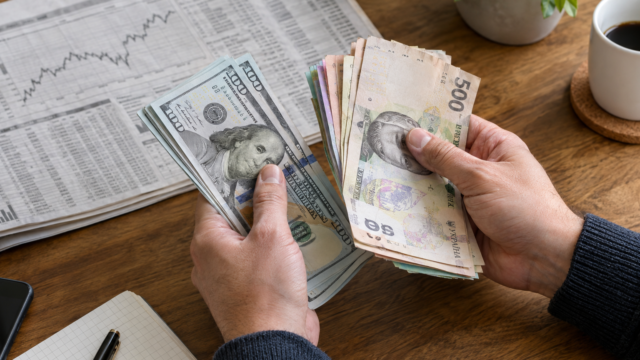
In August Ukrainian citizens spent $764 mln abroad, the highest monthly figure since the start of 2026. Part of the explanation lies in the holiday season and increased tourist travel, which financial analyst Andriy Shevchyshyn notes.
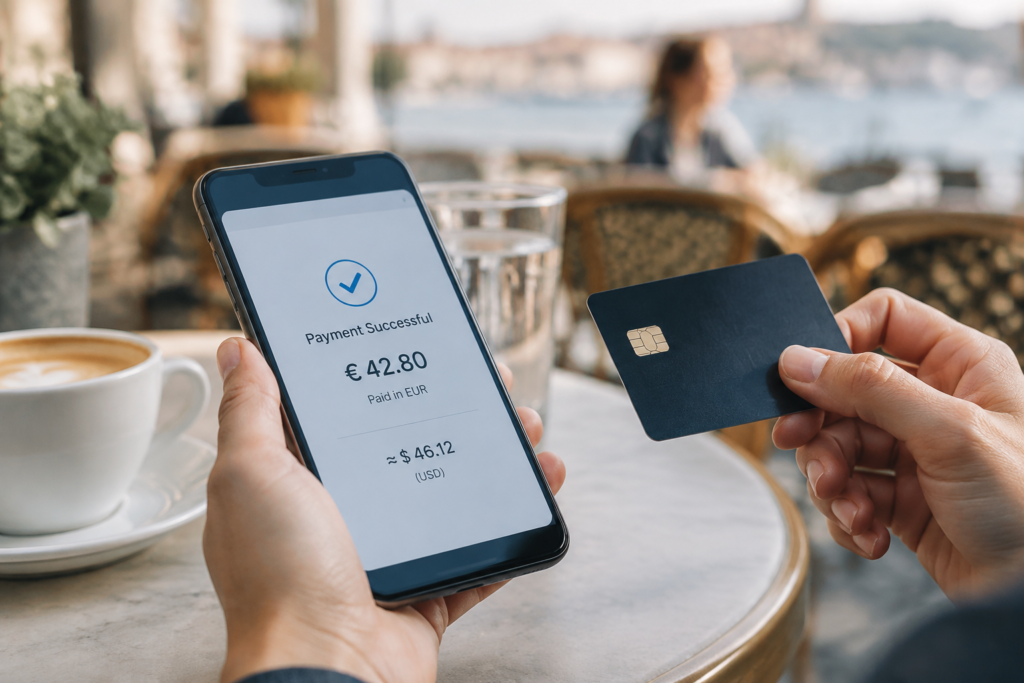
Another important factor is exchange rate fluctuations. The euro’s rise against the dollar in August mechanically increased the dollar equivalent of spending, even though the real volume of purchases measured in euros hardly changed.
Did Ukrainians’ spending in euros change in August?
Viewed in euros, the picture is more restrained. In July Ukrainians spent about €663 mln abroad, and in August — €660 mln, i.e. 0.4% less than in July.
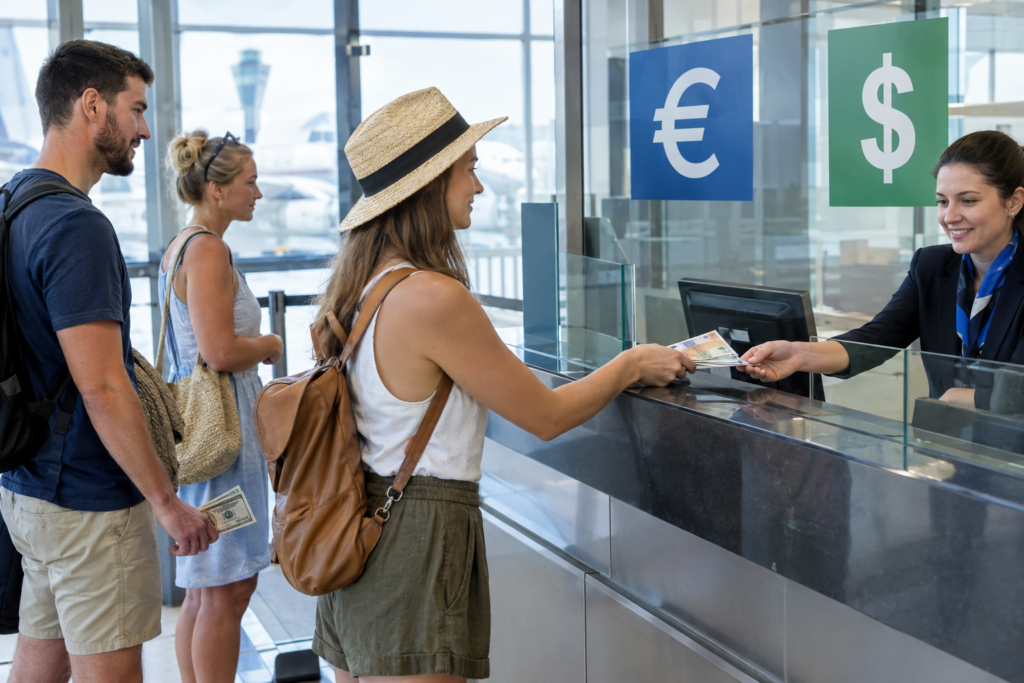
That means that trips and purchases in the euro area remained roughly at the same level. For the typical person this plays out like this: if you paid by card abroad, the hryvnia amount could have changed not because of a larger bill but because of the currency conversion; when exchanging cash, exchange rate moves also affect the final amount in hryvnia.
How did spending from January–August 2026 change compared with a year earlier?
From January–August 2026 Ukrainians spent about $5.7 bln abroad. That is 5.1% less than in the same period last year, calculated in dollars.
Converted into euros, spending over the eight months amounted to about €4.89 bln, which is 9.2% less year on year. Part of the decline may be linked to weaker migration flows and to some Ukrainians switching to local bank accounts, meaning a smaller share of their spending passes through the Ukrainian banking system.
Is this linked to an increased wave of departures, and what does it mean for your money?
It is too early to conclude that migration is the dominant factor based on August alone. Analysts warn that the impact of departures could intensify in September–October against the backdrop of Russian attacks on cities and infrastructure, but that is currently an expectation rather than a confirmed fact.
For people, this implies several practical points. If some payments move to local bank accounts abroad, fewer transactions will appear in Ukraine’s statistics and cash flows may become less transparent to domestic banks. Theories about part of payments shifting into the shadow economy or into cryptocurrencies remain speculative and require separate data for confirmation, so further research and publications on the topic should be expected.