



Beginning: Bezos on AI’s potential to change work
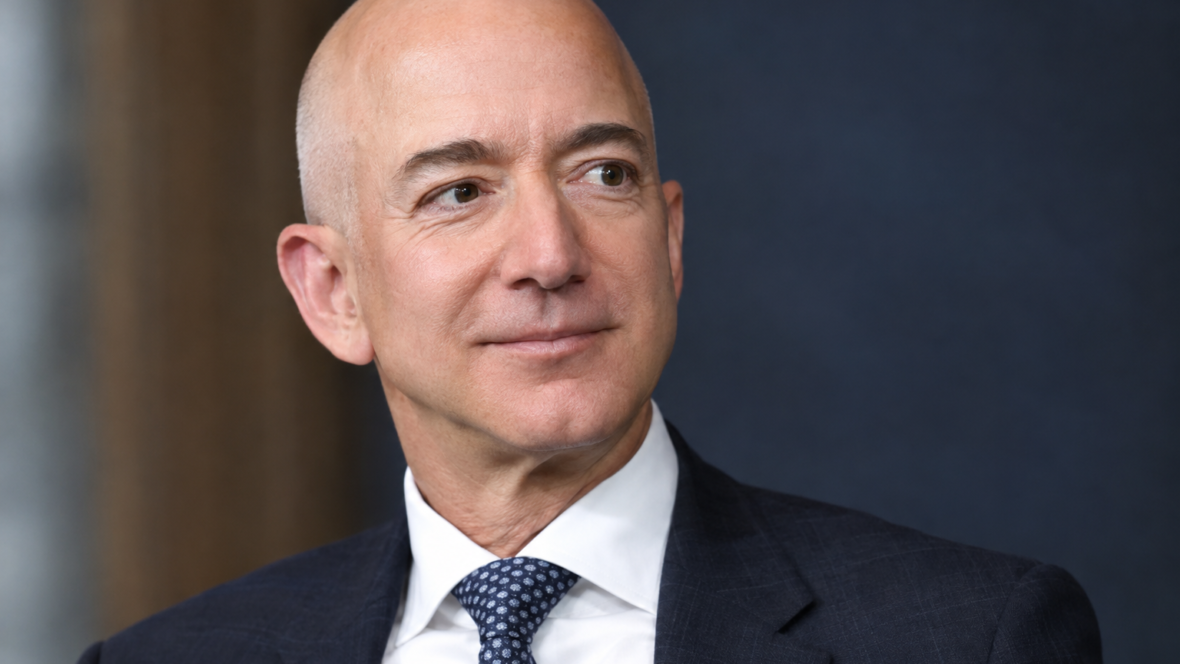
Jeff Bezos has from the outset seen artificial intelligence (AI) not only as technological progress but as a serious shift in how work is organised. He argues that productivity gains from AI will give people the opportunity to work less while still maintaining the income needed to support a family.
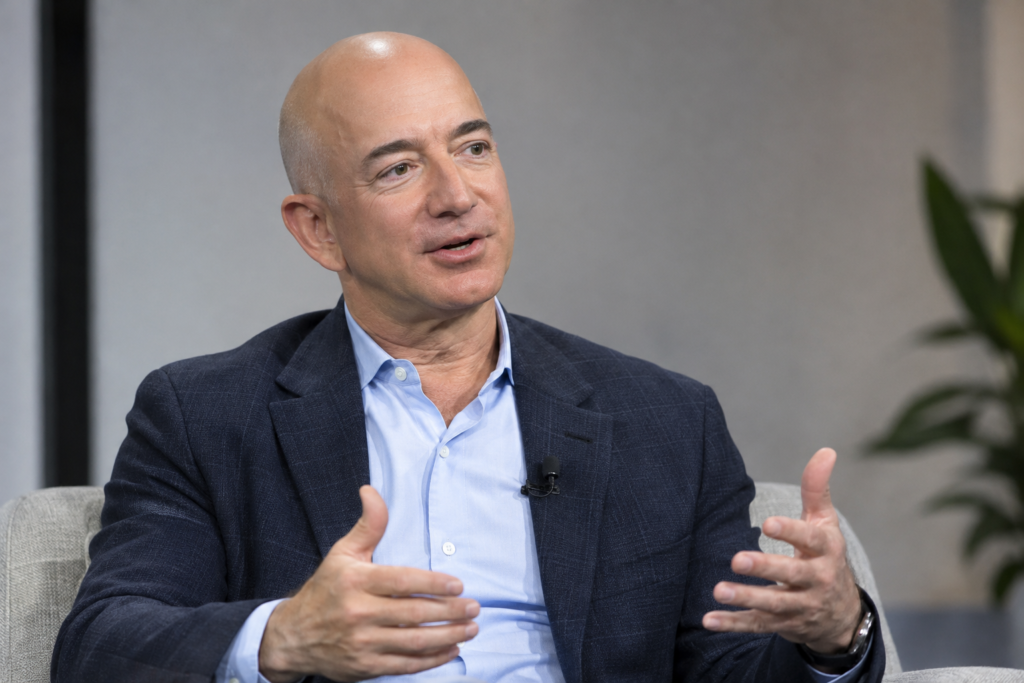
He expressed this position in an interview with Fox News, when shared his vision of the future of work. For him, the main change lies in the balance between time spent working and time for private life.
Next: how the idea of a three-day week entered the discourse
Bezos suggested that rising efficiency will mean workers could choose a three-day working week while still earning enough to support their families. He speaks of scenarios in which, in households where both partners currently work, one partner could leave employment to care for the home or pursue other activities.
At the same time, he did not provide a detailed plan for how this transition would occur or which sectors would change first. That leaves open the question of how realistic a broad shift to a shorter working week is for large swathes of the labour force.
Turn: why Bezos does not expect mass job losses
Public debate often includes the view that automation will lead to mass job losses. Bezos disagrees. He believes AI is more likely to produce a shortage of workers rather than a surplus, although he did not describe specific mechanisms for this outcome.
When the host noted that Amazon cut around 30 000 employees in the last 12 months, the billionaire rejected linking those layoffs to AI. According to him, these reductions resulted from planning mistakes after rapid growth during the COVID-19 pandemic, not as a direct result of automation.

Now: what this means for the Ukrainian labour market and economy
The debate about AI’s impact on work matters for Ukraine for several reasons. Changes in how work is organised at global companies can affect demand for labour, export chains and investment, which in turn directly or indirectly influence the hryvnia exchange rate and price dynamics.
If some companies do indeed reduce working hours without a drop in productivity, this could alter demand for certain services and goods from Ukraine. At the same time, an acceleration of automation in some operations would create a need for new skills among workers and put pressure on the labour market for retraining.
Currently: uncertainty and the stance on investments
Bezos also noted that it is difficult to say whether there is an investment bubble in the AI sector today. He warned that investors could incur losses in a downturn, while useful inventions would remain and not disappear with market fluctuations.
This means that even in unfavourable market conditions technological advances can form the basis for future businesses and jobs. That is why the discussion of AI’s role in the economy and the labour market remains central for planning both in large corporations and in government policy.