




The State Tax Service (DPS) said that if an employer rents an apartment for an employee or reimburses housing expenses, this may be considered a fringe benefit and be subject to taxation.
When payment or compensation is considered income
If an employee rents an apartment themselves and the company reimburses the expenses, the compensation received is a fringe benefit. The value of housing is also taxable if the employer signs a lease and pays the owner for the employee’s accommodation.
When calculating personal income tax (PIT), the rules for taxing income in non-cash form apply: the employee receives income not in cash but in the form of a paid service — accommodation in an apartment.

Who pays the taxes
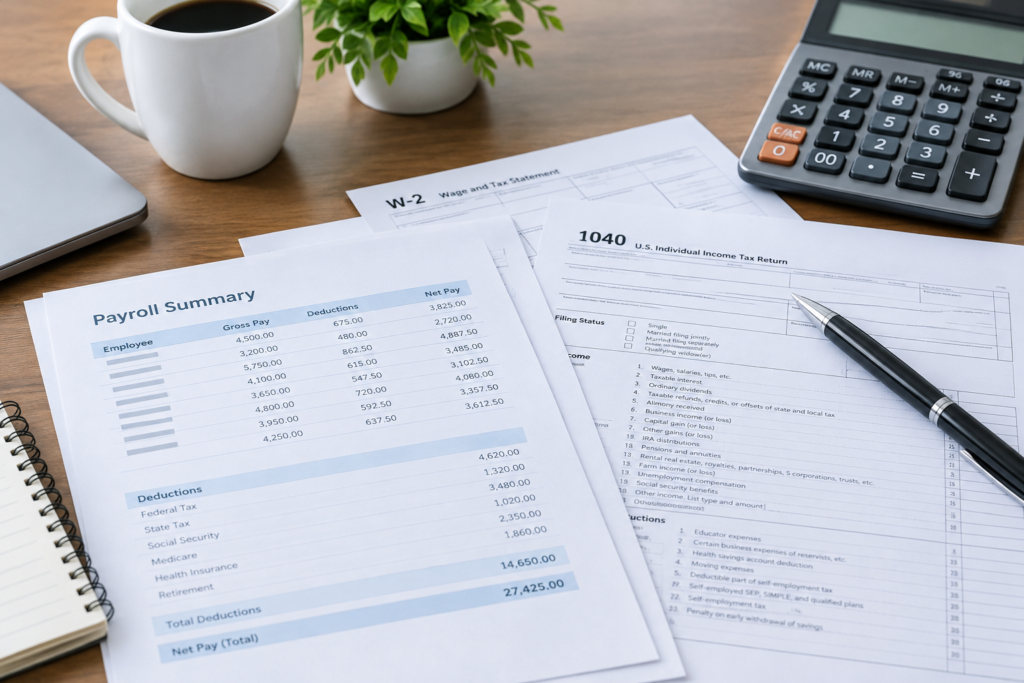
The employer must calculate and remit the taxes as the tax agent. A tax agent is a person who calculates, withholds and remits taxes to the budget on behalf of the employee.
If the taxes on such income are withheld by the employer, the employee does not need to file an annual tax declaration solely because of the payment or reimbursement of housing rent. The annual declaration is the official report of income. Civil servants and those required to declare income and assets under anti-corruption legislation must provide information about place of residence, use of real estate and income received.
Exceptions for housing owned by the employer
The DPS notes that the value of free use of housing or other property owned by the employer is not taxed under this rule if its provision meets certain conditions.
The source also notes that these exceptions do not automatically apply in cases where the employer reimburses the employee for rental housing expenses or rents an apartment for them from another owner.