

US debt risks threaten market stability and portfolios
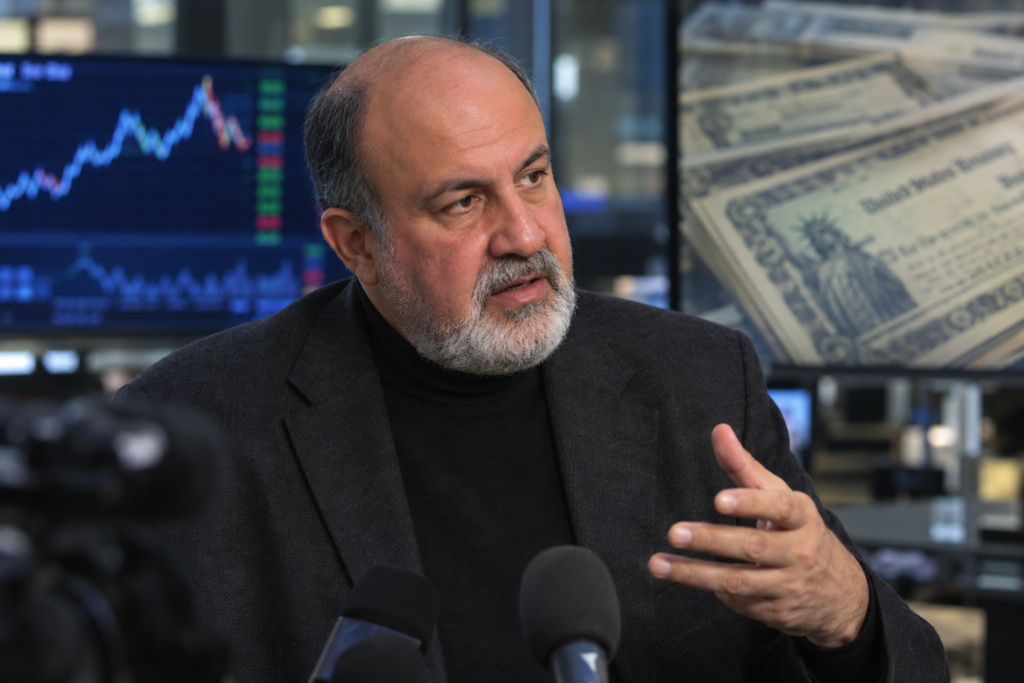
Nassim Taleb said that falling demand for US Treasury securities could increase the vulnerability of financial markets and eventually hit the stock rally, in an interview with Bloomberg. In short, he sees elevated risk not so much from external creditors as from a possible change in sentiment among domestic investors.
This message matters for anyone invested in equities, bonds or holding foreign-currency savings. If the government bond market becomes less reliable, it could affect the prices of risky assets and overall volatility, which ordinary customers will feel when exchanging currency or making card payments.
Why this is possible now: deficit, demand and domestic investors
Taleb emphasised that the US bond market is currently highly vulnerable because the United States has to finance a large budget deficit from investors. If willingness to buy government debt declines, the Treasury will find it harder to borrow on familiar terms.
He believes the greatest danger lies not so much in the behaviour of China or Japan but in a potential shift away from long-term Treasuries by domestic investors, notably pension funds and households. Such a mass outflow could create a stronger shock for the market than a reduction in demand from large external creditors.
Why now
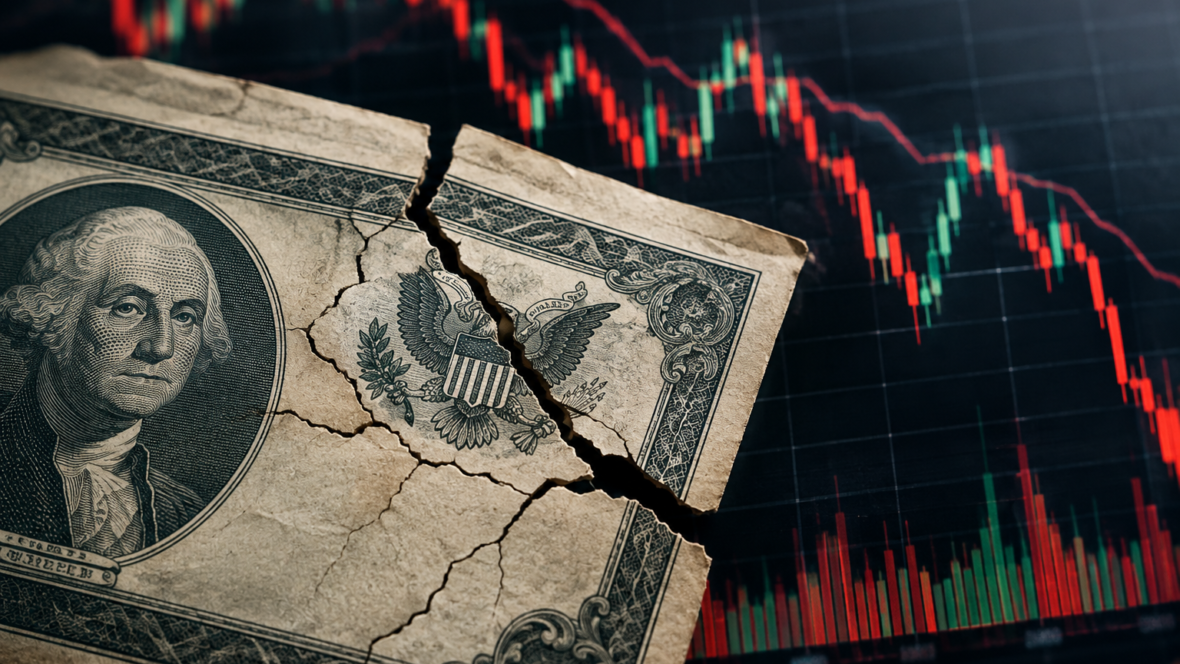
Yields on long-term US government bonds are near 24-year highs, while the stock market continues to rise and the S&P 500 recently hit a record. The combination of high yields and record equity prices creates an imbalance.
Taleb sees a dangerous divergence between markets. When bond yields are high and equities are expensive, any unexpected move can accelerate asset sales and amplify downturn dynamics. It is precisely because of this configuration that risk is considered elevated now.
Who will be affected first and how
The first to feel changes will be large institutional players, above all pension funds that hold substantial portfolios of Treasury paper. If they start reducing positions in long-term bonds, it will increase volatility in the debt market and could trigger a sell-off in equities.
For ordinary people this means greater uncertainty when converting currencies and paying by card. dollar volatility could increase, causing cash exchange rates at bureaux and spreads on card payments to widen temporarily. In the event of a significant shock, banks and exchange offices may raise margins, affecting foreign-currency savings and the cost of imported goods.
What Taleb advises investors
He does not predict an inevitable stock-market crash and does not advise automatically turning bearish. Instead Taleb suggests thinking in terms of market fragility rather than just the probability of a decline. Investors should focus on how resilient their portfolio is to rare, severe shocks.
The main advice is this: build a portfolio that can withstand an unexpected severe shock. This means constant protection against tail risks — rare events with large consequences. It involves having instruments and reserves that kick in under extreme scenarios, rather than trying to time the exact moment of a downturn.
Warnings on artificial intelligence (AI) and a broader economic view
Taleb also warned against overly straightforward bets on artificial intelligence (AI). He believes that the mere thesis of a revolutionary impact from AI does not guarantee that the current tech leaders will remain the winners. History shows that the greatest gains often go to companies that better adapt to new business models rather than to the first movers.
Moreover, Taleb stressed that the S&P 500 is not identical to the whole American economy. Profits of large global corporations can rise even as households’ situations deteriorate. He advises paying attention to the condition of middle-income families, not only to stock-market records.
Additional context and earlier assessments
Earlier, Bridgewater Associates founder Ray Dalio in an interview with Bloomberg TV warned of vulnerability in the Treasuries market due to possible reduced demand from China and Japan. In his assessment, the United States could face a debt crisis within the next three years.
Together, these comments from leading investors and analysts raise attention to the government bond market. Investors and those holding foreign-currency savings should monitor exposure to long-term Treasuries and have an action plan in case market conditions change sharply.