


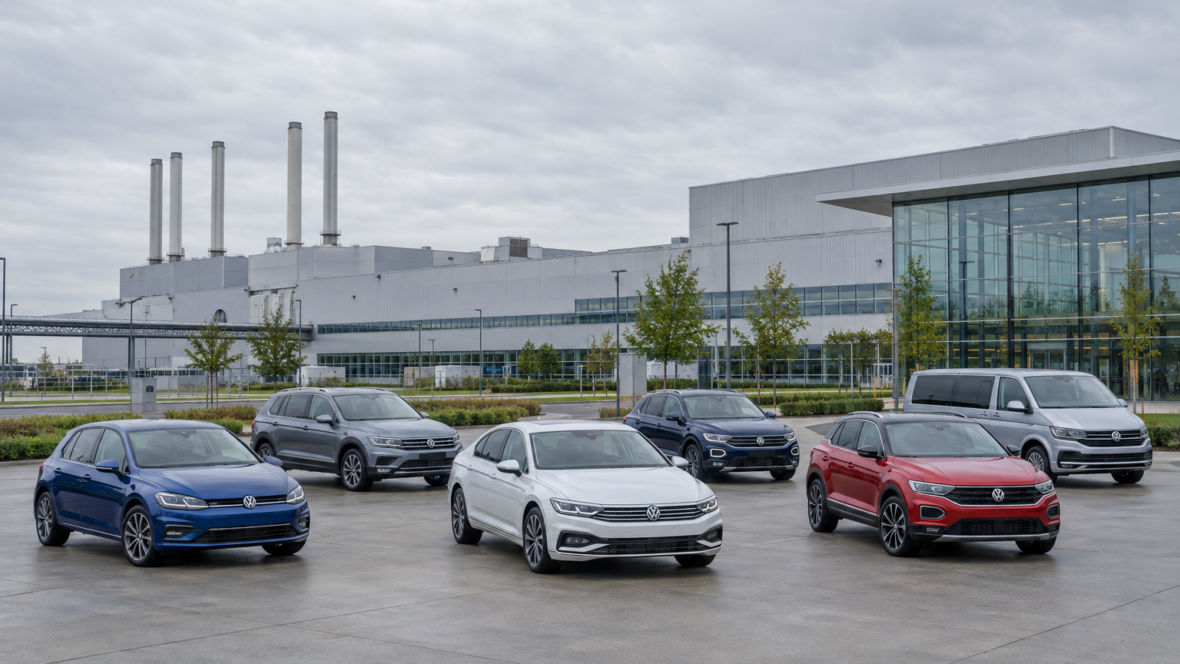
According to Volkswagen Group, the company plans to reduce the number of car models from about 150 to 75 by 2035.
Reasons for reducing the model range
The group cites production optimisation, cost reduction and avoiding duplication of models between brands as key factors. One reason is the gradual shift from internal combustion engines to electric vehicles.
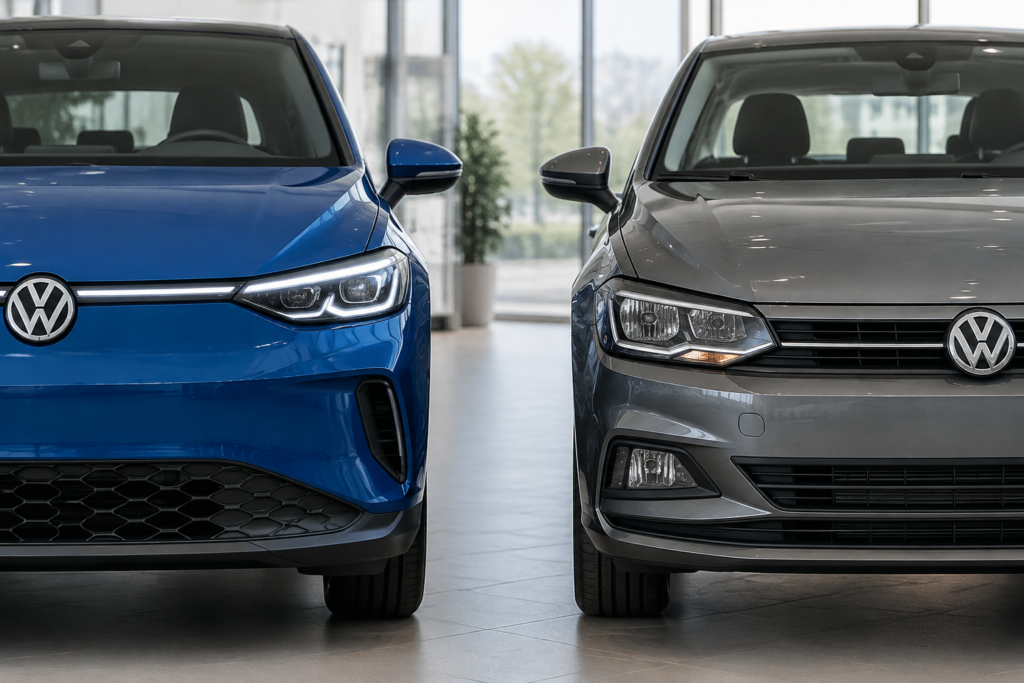
Volkswagen CEO Thomas Schäfer explained that revising the model range is a logical step in response to changes in the automotive industry, and the company does not intend to “abandon cars indiscriminately”, but aims to shape an optimal line-up for the future. For example, after 2035, the petrol Polo and its electric counterpart, the ID. Polo, may not be offered simultaneously in Europe.
Brand coordination and synergy groups
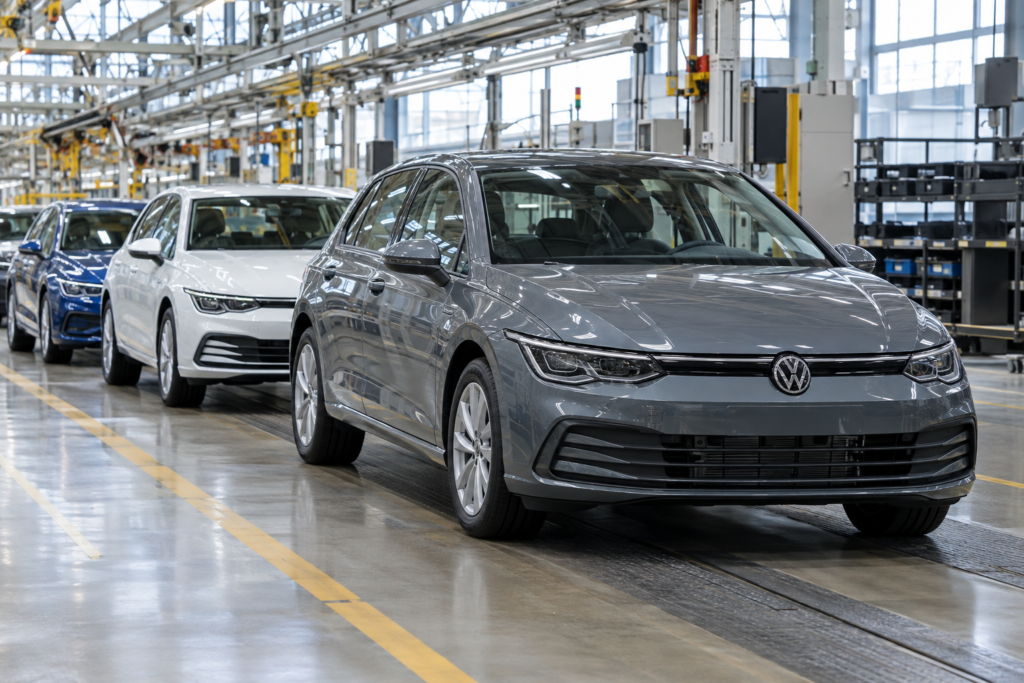
Another reason for the cuts is the need to reduce internal competition among the group’s brands, notably Volkswagen, Skoda and Cupra, which sometimes offer models similar in size and characteristics. To avoid duplication, the group plans to coordinate vehicle and technology development more closely.
To this end, “synergy groups” will be created, within which responsibility will be allocated among brands for developing models and technical solutions. This approach should help make more efficient use of resources and avoid unnecessary costs for creating cars with similar specifications.
Goals of the Future Plan 2030
The reduction of the model range is part of Volkswagen Group’s Future Plan 2030 strategy. Under the plan, by 2035 the number of models is to be reduced by roughly 50%, and the complexity of the model range by 75%.
The group also says it will not abandon coverage of different price segments: from more affordable Skoda cars to premium models from Porsche, Lamborghini and Bentley. The main goal is to remove redundant models and trim equipment variants while preserving a competitive offering for buyers.