


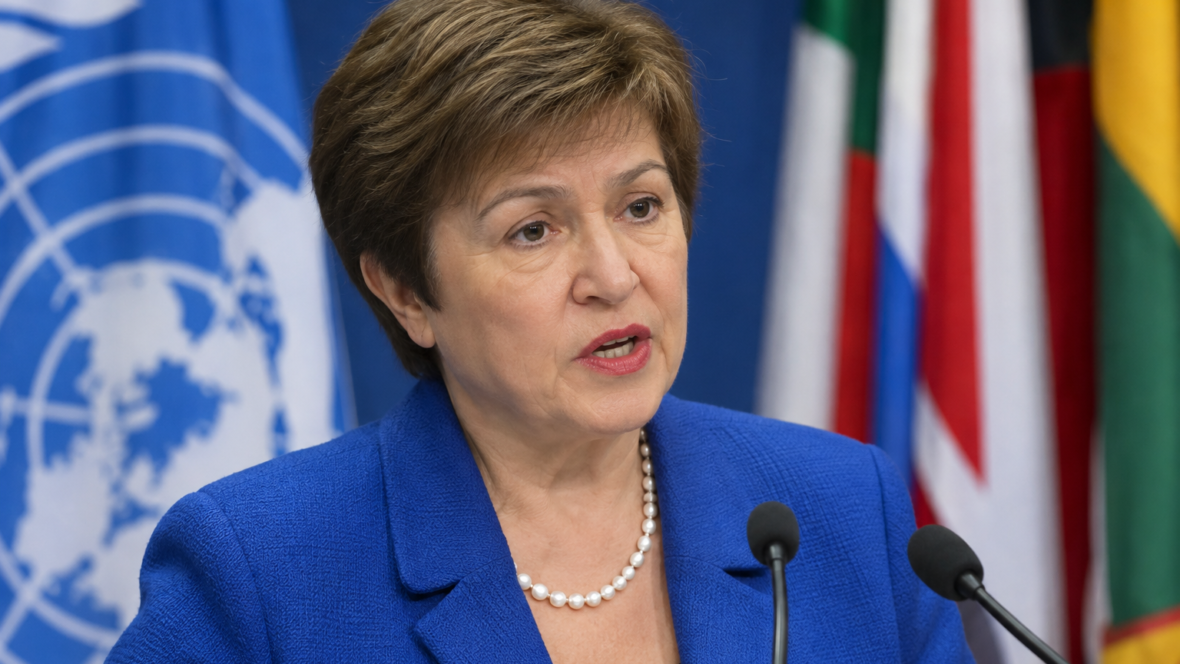
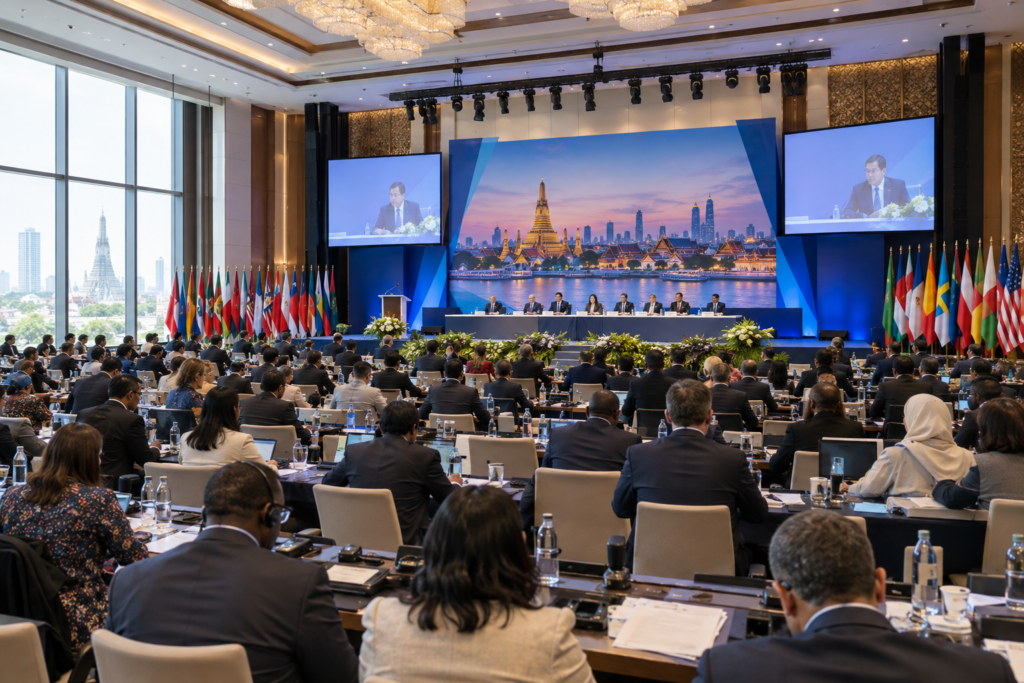
The International Monetary Fund (IMF) on Wednesday at its annual meetings in Bangkok said that global excess imbalances in 2025 reached 0.7% of world GDP, and that the largest contributions to them come from the United States and China.
Size of the imbalances and their drivers
Managing Director Kristalina Georgieva noted that 0.7% of world GDP is the highest recorded contribution to global excess imbalances. She links this primarily to the behaviour of the major economies, in particular the United States and China, and to some extent certain European countries.
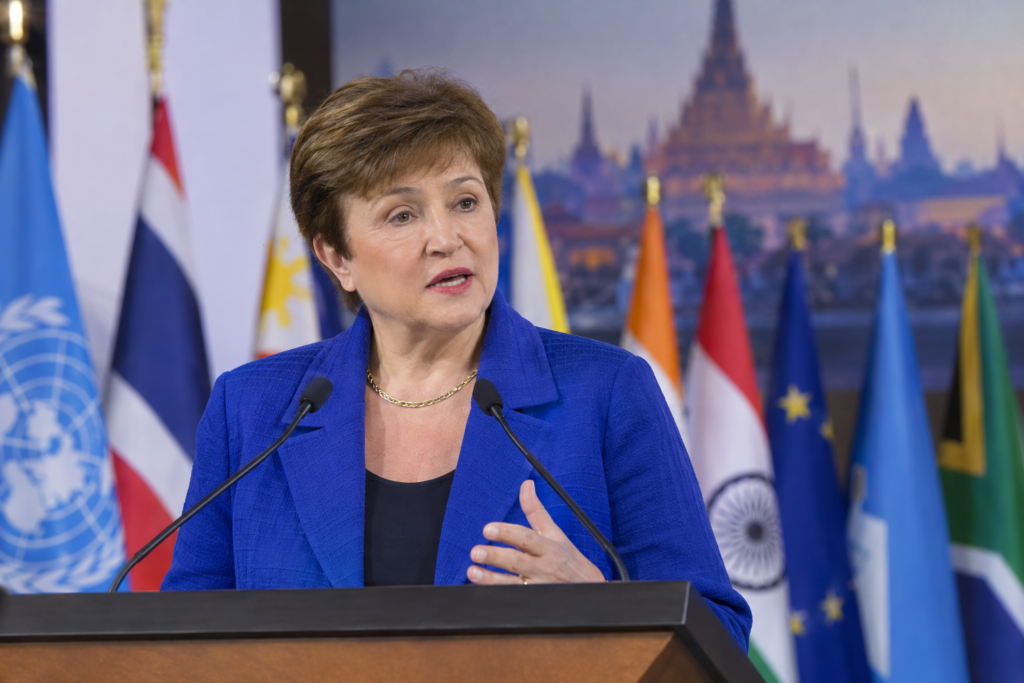
Georgieva reiterated the need for decisive action to reduce these imbalances and achieve a more balanced global distribution of demand and supply. According to her, the rise in imbalances requires corrections to the macroeconomic models of the major economies.
Recommendations for China, the US and Europe
“If put simply, China should spend more, the United States should save more, and Europe should invest more,” Georgieva said at a press conference during the meetings of the Fund and the World Bank Group. She urged surplus countries to boost domestic consumption, and those with deficits to increase savings.
Georgieva also stressed the need to reduce debts and gradually lower deficits. “We do not expect immediate action, but it is important to steer debt levels onto a declining trajectory,” she emphasised.
Notes on European investment and the impact on Ukraine
The head of the Fund pointed out that in some European countries investment levels are insufficient to maintain competitiveness, without naming specific countries. She called for increased investment activity to support long-term development.
According to assessments, such global imbalances can affect the hryvnia exchange rate, import prices, export flows and the Ukrainian labour market, since they alter global trade and financial flows.