


Beginning — why a business needs an energy storage system
Batteries at companies did not appear for fashion. Their primary role was simple and clear. During an external power cut the battery must support critical equipment and prevent downtime of production lines.
When the task is to provide backup, that determines two key characteristics of the system. You need the power capacity to run the equipment simultaneously and the energy capacity so that operation lasts for the required time. The mere presence of an energy storage system (ESS) does not yet guarantee autonomy if the connection scheme does not allow safe separation from the grid.
Backup and technical aspects of connection
In a backup-power scenario the battery is used for specific devices and during particular time intervals. Before design, it is important to clearly define what exactly should run from the battery and how long that should last. The size of the ESS and its energy reserve depend on this.
Projects also include a charge reserve that is not used in day-to-day operation. The larger the reserve left for outages, the less energy remains for other battery functions. Therefore, the integration of switches, the emergency isolation scheme and control settings must be tested in advance.
Solar power plant (SPP) and energy storage system (ESS) — how the second phase emerged
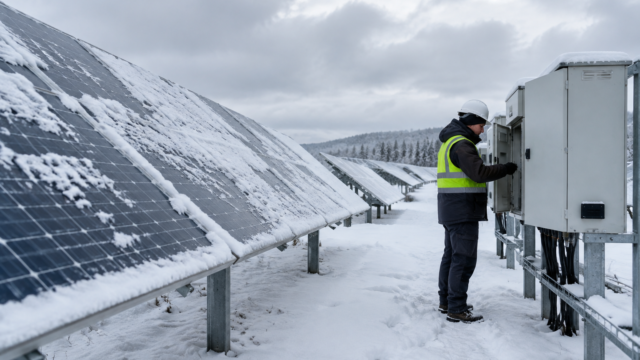
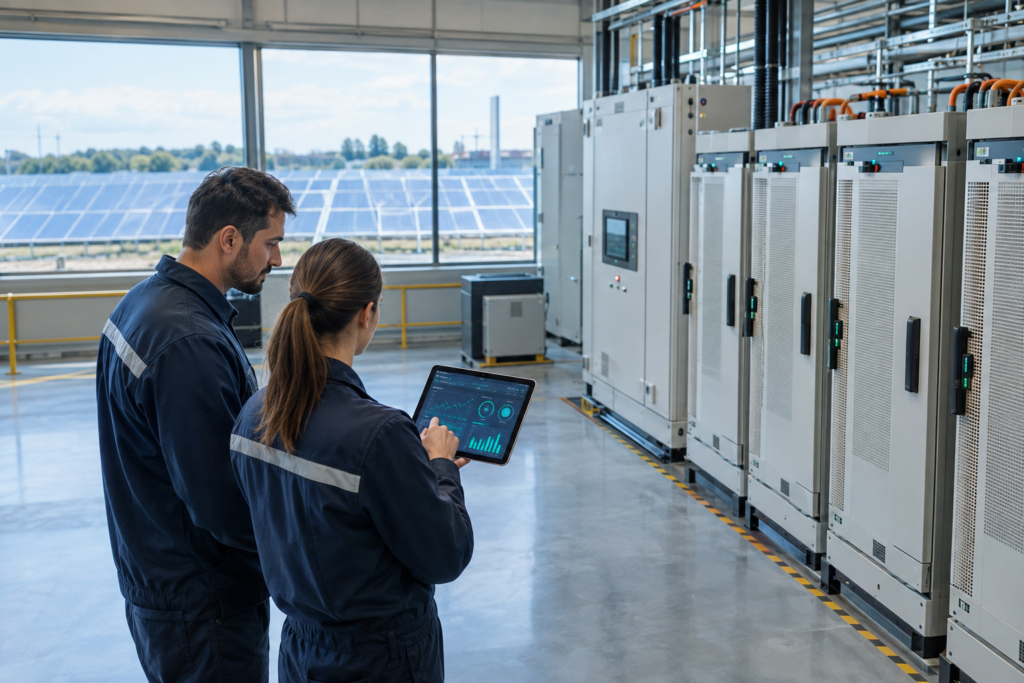
Combining a solar power plant (SPP) and an energy storage system (ESS) makes it possible to better match production and consumption. During the day, when the SPP produces more than needed, the excess can be directed to the battery. That energy is then used in the evening when generation falls but equipment is still running.
This approach reduces dependence on the grid during peak hours and lowers the cost of purchasing electricity. However, the system needs control over how much energy to store and what portion to keep as a reserve in case of outages.
Arbitrage as the third stage of using an ESS
Arbitrage involves charging the battery in cheap hours and discharging in expensive ones. This strategy reduces purchases of grid electricity during high-price periods. A solar plant is not required for arbitrage, but it can increase the strategy’s effectiveness.
It is important to remember that the price applicable to a particular consumer must vary over the day for arbitrage to deliver real savings. Calculations also account for charging and discharging losses, battery degradation, technical constraints and the possibility of selling electricity. The difference between cheap and expensive hours is not net profit without taking these factors into account.
Combining scenarios and the role of the energy management system (EMS) in the fourth phase
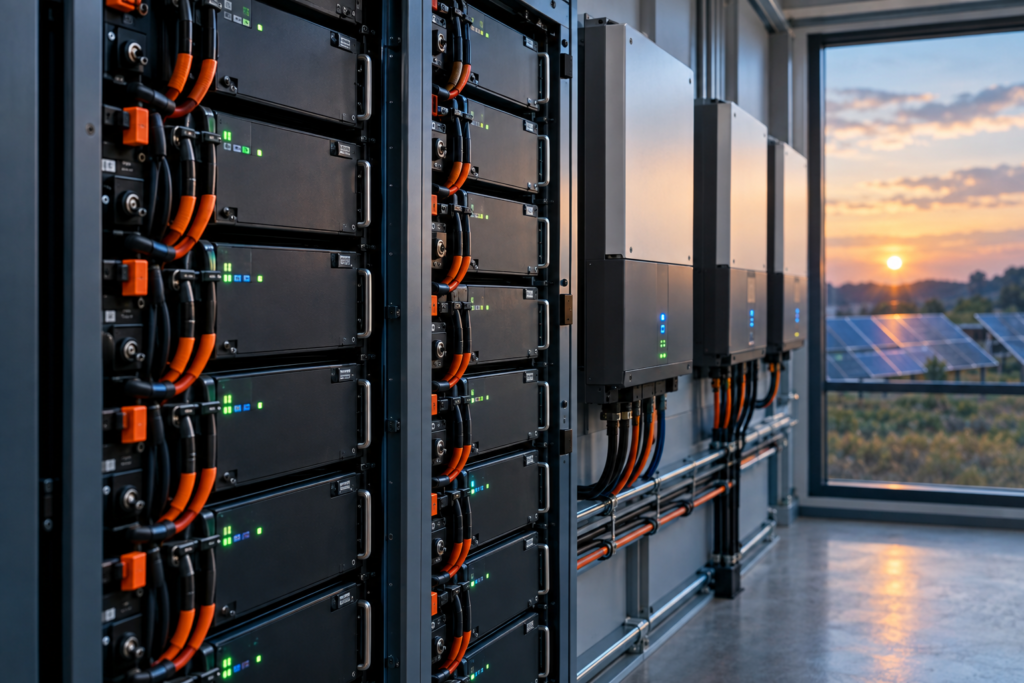
Modern use of an ESS is rarely limited to a single task. A battery can simultaneously hold a reserve for outages, absorb excess from an SPP during the day and supply available energy above the reserve in high-price hours. To make that work, a control system is required.
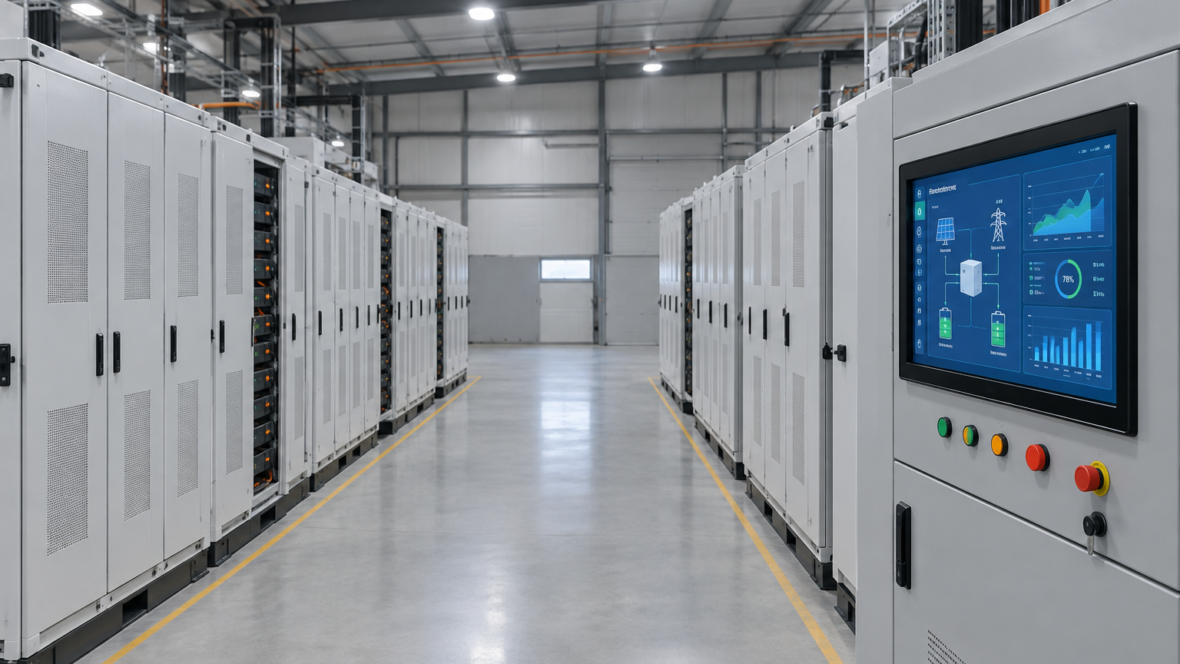
An energy management system (EMS) analyses site consumption, SPP generation, prices and state of charge, then manages the charging and discharging schedule. Priorities differ for each company. If readiness for outages is most important, the reserve should take precedence. If the goal is savings from price differentials, the EMS settings must be optimised for that scenario.
Therefore, it makes sense to start choosing a battery by defining future tasks. Decide which equipment to back up, how much solar energy to store and whether supply conditions allow profit from arbitrage. The right combination of technical characteristics, connection scheme and EMS settings lets you both withstand outages and reduce costs on normal days.