



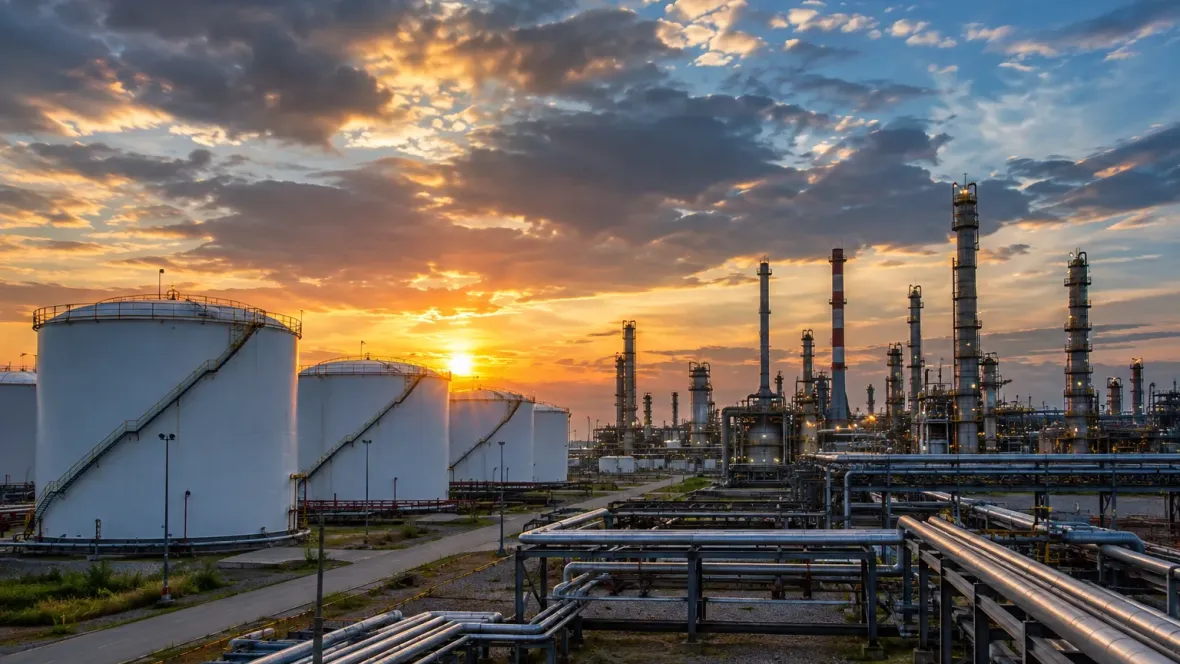
According to The New York Times, more than 50 American oil and gas companies earned in excess of $130 billion in profit for April–September 2026. That is almost three times the amount for April–September 2025, when total profit was less than $47 billion.
According to an analysis by the Climate Solutions Lab at Brown University, since US and Israeli strikes on Iran began on 28 February Americans have spent an additional $147 billion on petrol and diesel, which amounts to more than $1,100 per household. The industry’s rising profits have been accompanied by higher consumer fuel costs.
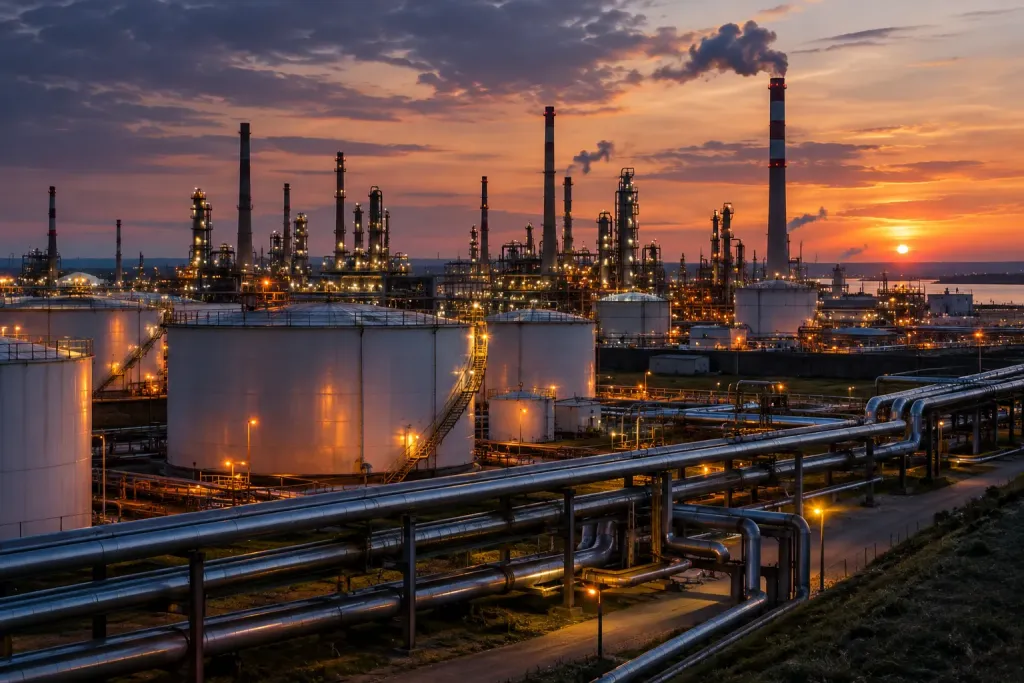
Total profits and methodology
The estimate of aggregate profit exceeding $130 billion primarily covers large oil producers and refiners over the six-month period. Earnings from March, when the conflict began, and October are not included, so the figure is described as conservative.
For April–September 2025 these companies together earned less than $47 billion. Average US crude prices in April–September 2026 were around $90 per barrel, while in 2022 for the same period the price was roughly $100 per barrel.
Why refiners earned the most
Refiners posted higher margins because damage to refining capacity in the Middle East and in Russia reduced the supply of fuel. When some plants are taken offline, margins for those that remain operating widen.
US refiners also benefited from a logistical advantage: a large share of their feedstock arrives by pipeline, making them less exposed to rising seaborne shipping costs. In the third quarter of 2026 Exxon Mobil’s profit was $15.41 billion, Chevron’s was $9.92 billion, Valero Energy’s $6.83 billion, and Phillips 66’s $5.62 billion.

How companies are using the windfall profits
Despite high profits, many companies are not planning to automatically increase production or build new capacity. Most are choosing to pay down debt and accumulate cash rather than make large additional capital expenditures beyond previously planned levels.
Exxon Mobil’s chief financial officer, Neil Hansen, acknowledged that high fuel prices are putting extra pressure on households and businesses and noted that the situation cannot be quickly changed by new investments because the relevant decisions were taken years ago. Chevron’s chief financial officer, Eimar Bonner, said the company is allocating additional funds to its balance sheet, and Valero Energy’s chief financial officer, Homer Bhullar, told analysts the company will not change its capital-investment approach solely because it has generated significant free cash.
Profits in Europe and responses from individual companies
European companies also showed high third-quarter profits: Shell earned $12.06 billion and TotalEnergies $8.26 billion, each more than doubling quarterly profit. One of the factors cited is the high profitability of fuel refining.
Some private companies are considering different uses for their windfall profits. United Refining of Pennsylvania plans to direct part of the funds to debt repayment; its chief executive, John Catsimatidis, said in conversation that he would not rule out buying a new corporate jet.
Overall, the current oil boom has changed the distribution of income in the industry: producers and refiners are receiving additional funds from high prices and a shortage of refining capacity, but companies are mostly strengthening their balance sheets and returning capital to owners for now.