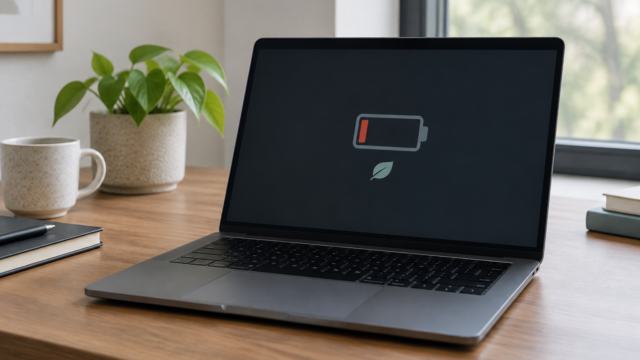


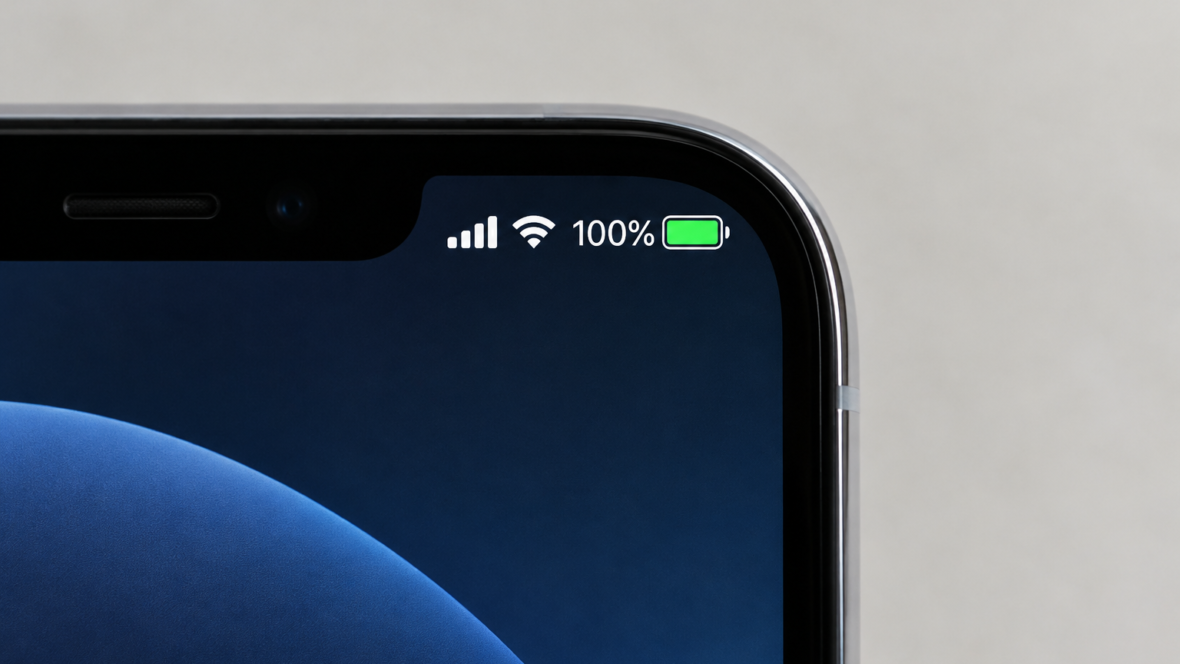
Chao-Yang Wang, director of the Center for Electrochemical Engines at the University of Pennsylvania, explained that regularly charging a smartphone to 100% keeps the battery at high voltage and can accelerate its chemical ageing.
Estimated wear from constant full charging
According to Chao-Yang Wang, a battery that is constantly charged to 100% wears about 10−15% faster over the smartphone’s lifetime than when charged to 90%.
Wang notes this is not a reason to avoid a full charge entirely: if you face a long day, trip or journey ahead, it’s better to charge the phone fully. If heavy use is not expected, maintaining the charge level around 85−90% is sufficient.
Recommended charge range and deep discharges
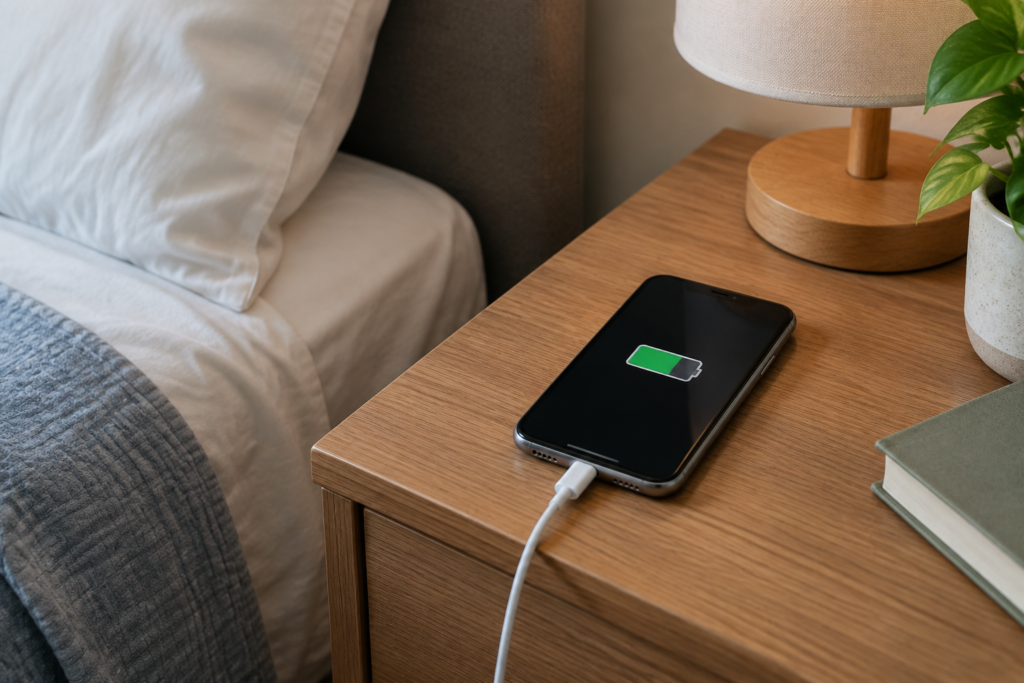
Experts advise not to regularly discharge to 0% and to plug in for a top-up at about 20%. Frequent deep discharges can negatively affect the battery’s ability to hold a charge.
For daily use, specialists name the optimal range from 20 to 80% charge, while occasional full charging to 100% is considered acceptable depending on the user’s needs.
Effect of temperature and signs that the battery needs replacing
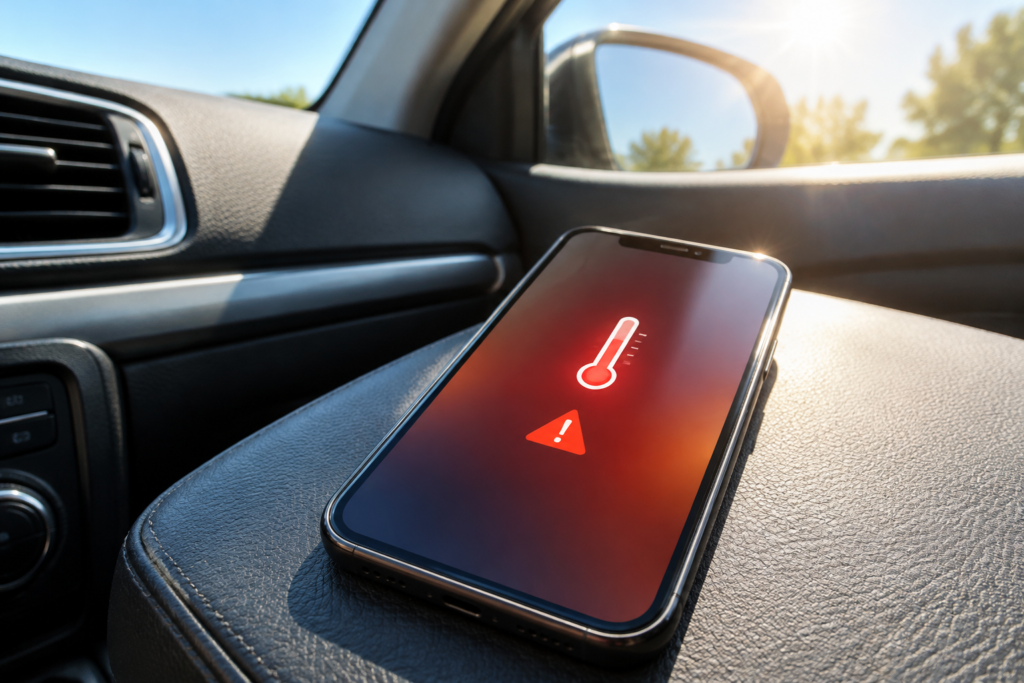
Extreme temperatures — both high heat and severe cold — can harm a battery more than a one-off charge to 100% under normal conditions. If the phone heats up during charging it may warn of overheating; in that case it is recommended to check the charging conditions.
Fast charging raises the battery’s temperature, and prolonged exposure to heat accelerates its wear and can be dangerous from a safety perspective. Experts advise using quality chargers and not covering the smartphone while charging.
How to tell when the battery should be replaced
The battery’s condition can be checked in the phone’s settings if the manufacturer provides such an option; if necessary it can be assessed at a service centre. If the maximum capacity has fallen below 80%, this is a sign to consider replacing the battery.
Signs that replacement is needed also include rapid discharge, unexpected shutdowns, or a noticeable loss of battery life. Experts emphasise that occasional charging to 100% remains normal when needed by the user.