




Norwegian company Bulk Infrastructure plans to build an undersea fibre‑optic cable, Leif Erikson, between southern Norway and Canada to route data around the United States; the project’s cost exceeds $620 million, and the company is seeking a Canadian partner with a controlling stake to co‑finance the construction.
Route and technical details of the cable
The cable will run from southern Norway across the Atlantic Ocean to Happy Valley–Goose Bay in the province of Newfoundland and Labrador, and from there overland through Quebec to Montreal. The submarine section will be approximately 4,600 km, and the terrestrial section about 1,900 km.
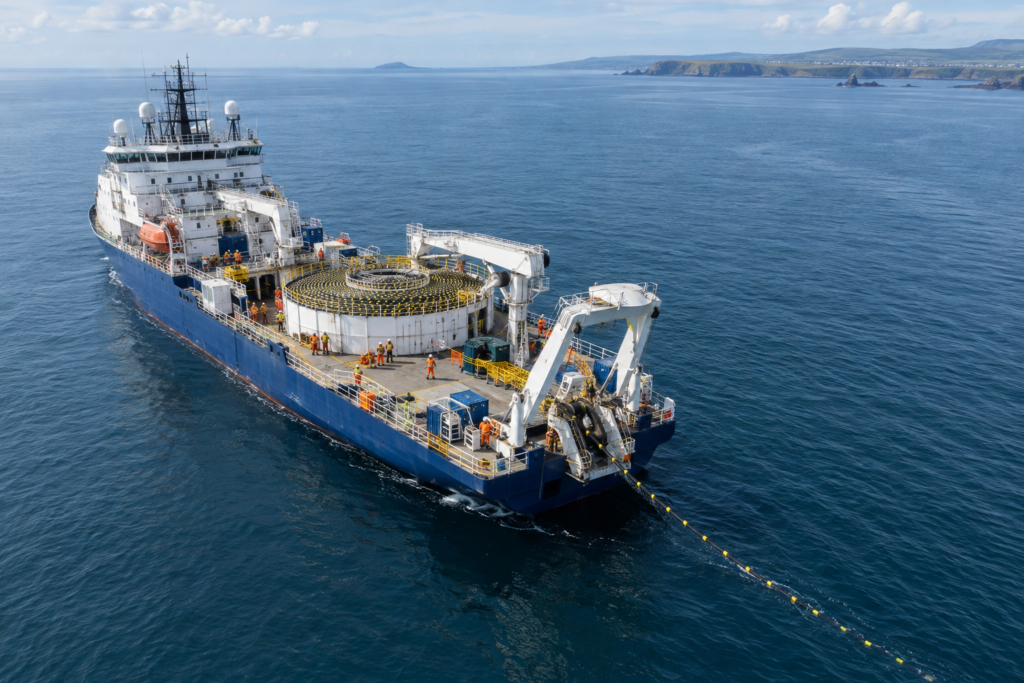
The system will provide direct and secure data transmission for telecommunications operators, large data centres and artificial intelligence (AI) services. According to founder Peder Nerbo, the project has been discussed for more than five years, but it has previously been difficult to attract the necessary financing.
Reasons for the initiative for Canada
The initiative is intended to reduce Canada’s dependence on American telecommunications networks, which carry a large share of internet traffic and telephone calls. Prime Minister Mark Carney’s government has highlighted this vulnerability amid worsening relations and questions of sovereignty.
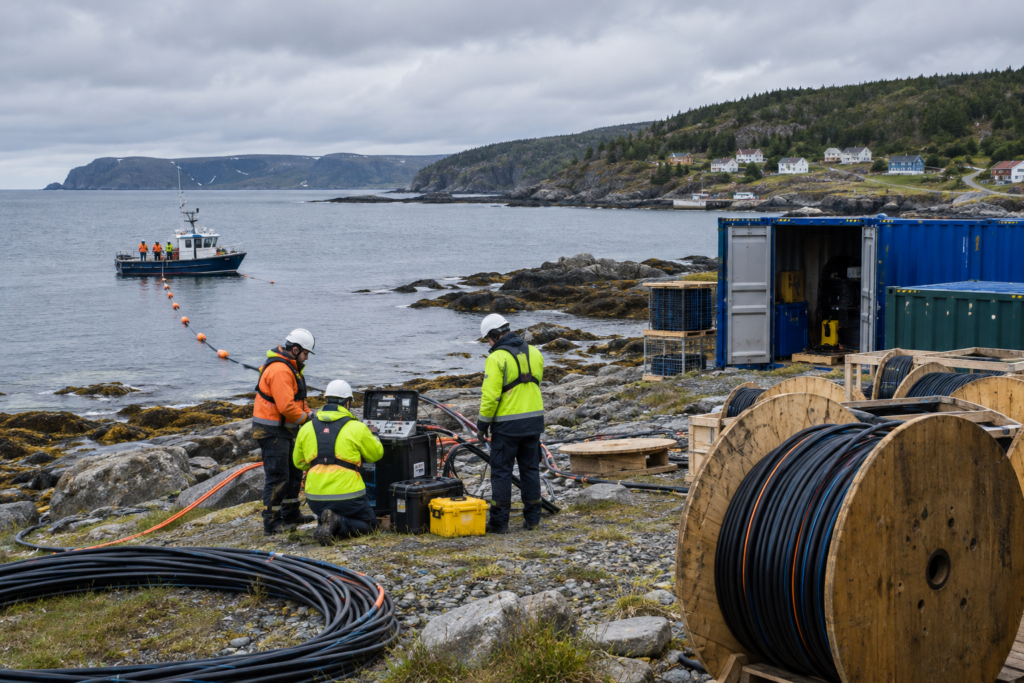
The project was presented to international investors in September at the Government of Canada’s investment summit in Toronto. Ottawa and the European Union also plan to study opportunities to expand digital links between Europe, Canada and Asia using new undersea cables.
Geopolitical risks and prerequisites for construction
An additional driver for the initiative is geopolitical risk: Europe and Asia rely on cable routes through the Red Sea, where conflicts threaten infrastructure. Additional transatlantic connections could help reduce these risks.
Before construction can begin, further surveys must be carried out, financing secured, permits obtained and support from Canada’s Indigenous communities secured.
For Ukrainian companies and the telecommunications market, the project’s importance is tied to transatlantic data routes, access to data centres and artificial intelligence (AI) services, which could affect pricing and exports of IT services.