


US Secretary of Energy Chris Wright said at an event in New York that President Donald Trump’s administration will allow the sale of sanctioned oil tankers so that, after repairs, they can legally carry oil that is not subject to sanctions.
How the tanker legalisation programme will work
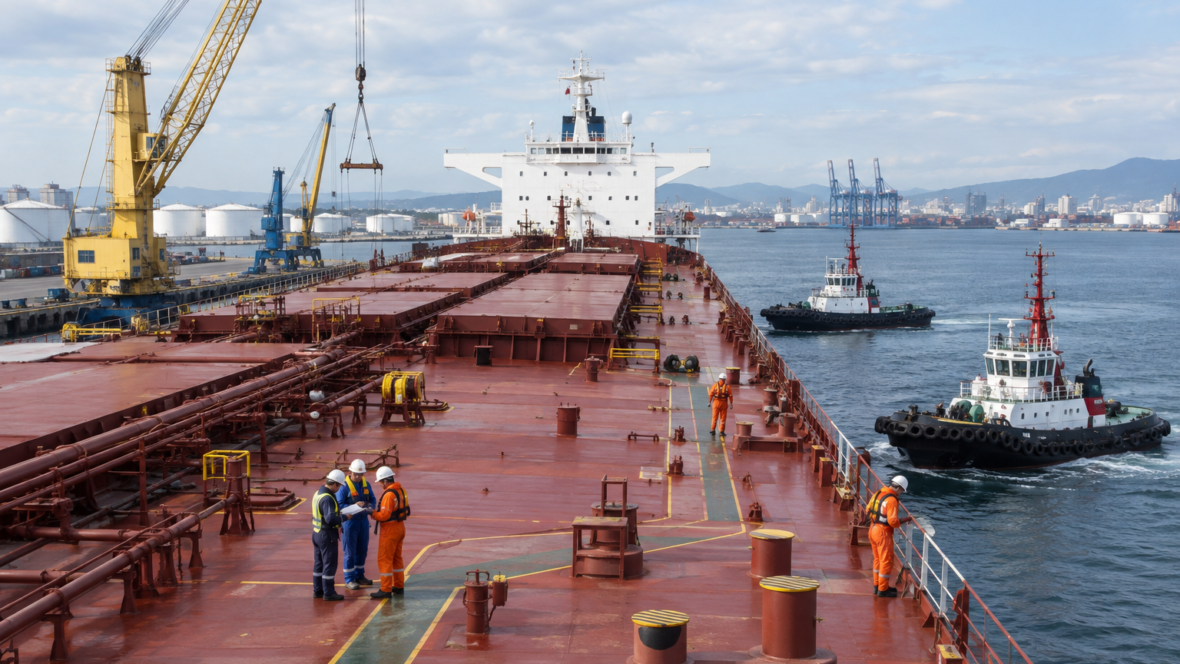
Wright explained that the government is working with investors who will buy vessels laid up because of sanctions, repair them and return them to civilian service to carry oil without restrictions. He said a clearance procedure is being developed that will confer legal status on such vessels.
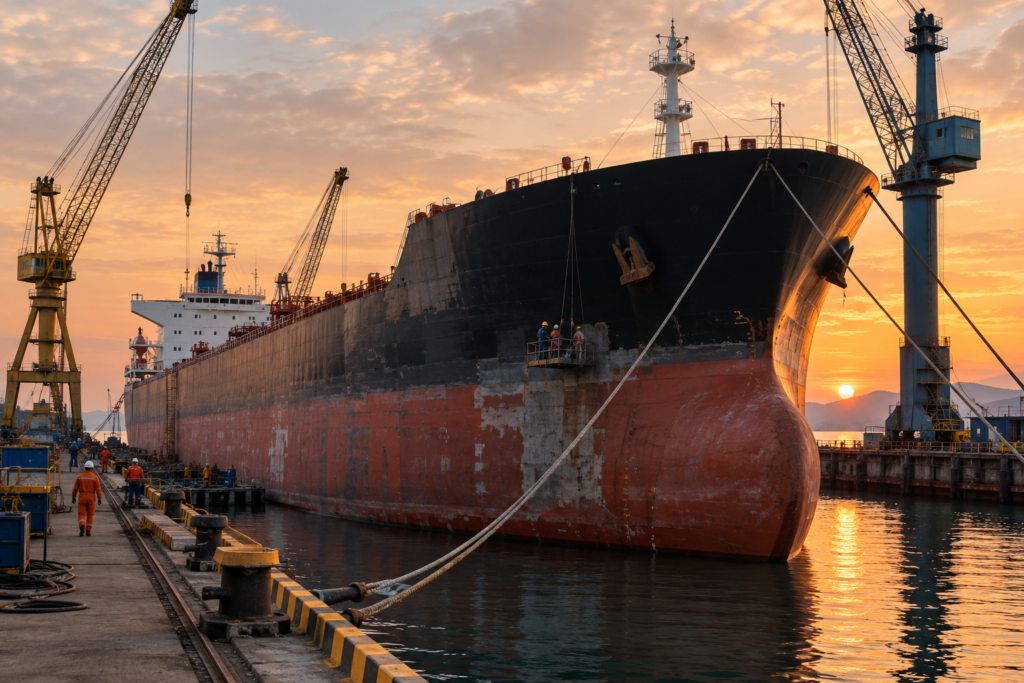
The minister said bluntly: ‘We will move some ships from what I call the “shadow fleet” into the “legal fleet”. They will no longer carry sanctioned oil,’ Wright said. He also emphasised: ‘Sanctions are not being lifted.’
Estimates of the fleet size and potential additions
Wright estimated that the global ‘shadow fleet’ contains about 1600 sanctioned tankers. He forecast that, if the initiative is implemented, the legal fleet could be bolstered by ‘dozens or even hundreds’ of vessels.
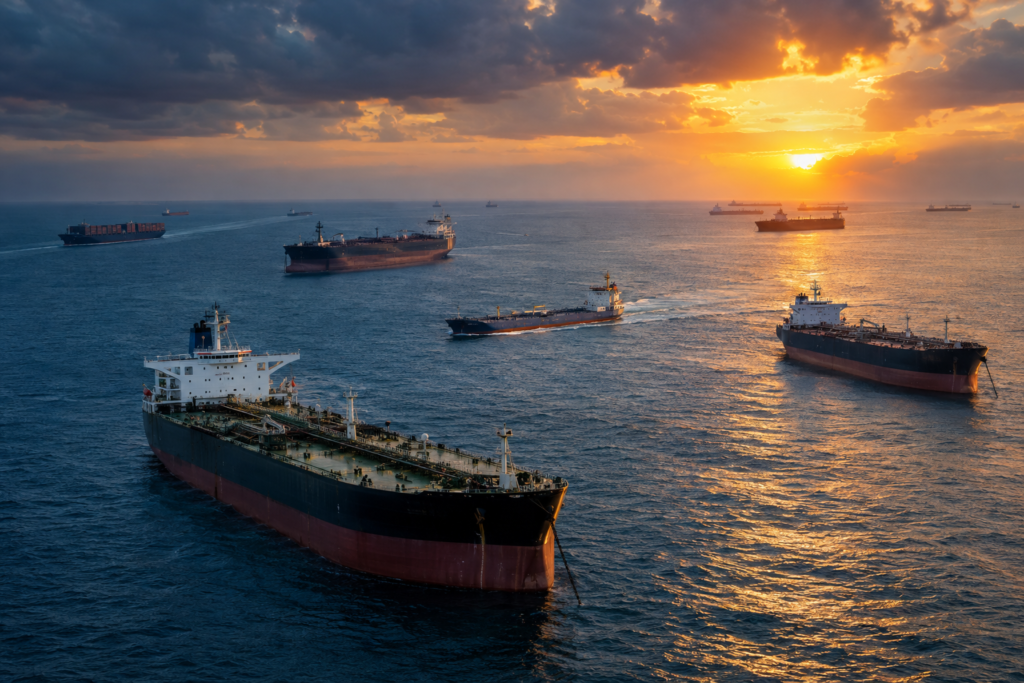
According to the minister, this will increase the number of ships available for ordinary commerce without lifting sanctions on those who previously breached the restrictions. The terms and criteria for approving vessels will be set out in the procedure being drawn up.
Reasons for the initiative and engagement with Russia
Wright said part of the motive is political: the administration has agreed to cooperate with Russian authorities to return diesel fuel supplies to the global market and to create incentives for the Kremlin to end the war in Ukraine. He said a country that produces more diesel than it consumes can export surpluses if it changes its behaviour and either restores oil refineries (НПЗ) or reduces consumption for military needs.
After the escalation of the conflict in the Middle East, petrol and diesel prices rose, and freight costs increased sharply: shipments from the Persian Gulf to East Asia have become more than six times as expensive. According to shipping analytics provider Signal Ocean, over 40% of the world’s fleet of about 850 very large oil tankers are in the Persian Gulf or within a few days’ sailing of it.