



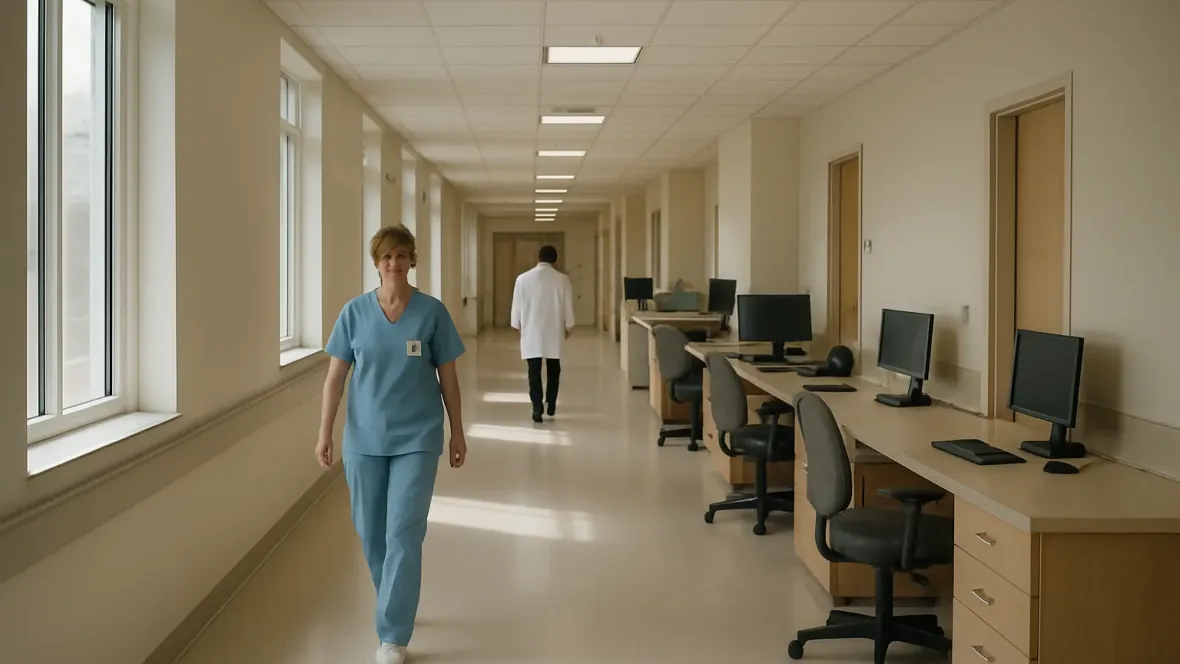
In Europe the greatest shortages of skilled workers are observed in education, health care and information and communication technologies, according to the Organisation for Economic Co-operation and Development (OECD).
Shortages of teachers, medical workers and IT specialists - the scale
Teachers are among the five professions with the largest staff shortages in 13 countries, while doctors, medical workers and IT specialists each feature in 12 countries. Overall, a shortage of medical staff was recorded in 23 of the 27 countries studied, teachers in 21, and information and communication technology specialists in 18.
Experts cite high workloads, overtime, inadequate pay and limited career development opportunities among the causes of shortages in the medical sector, which can lead to professional burnout and staff attrition. In the education sector the attractiveness of the profession is affected by administrative burdens, work with digital tools and inclusive education, as well as conditions in schools.

Simple and routine vacancies are easiest to fill
Employers in many countries find it easier to recruit workers for simple and routine tasks: general labourers, office and clerical staff, kitchen assistants, sales staff and assemblers remain relatively available. However the picture varies between countries: Norway has a shortage of general labourers, Spain of kitchen assistants, and France of workers in low-skilled occupations.
Researchers also note difficulties for young people in finding employment: graduates find it harder to get their first job because their skills do not match employers’ requirements, which often favour experienced specialists with narrow specialisation. For the Ukrainian labour market the information is important because of possible changes in labour demand, migration flows and impacts on wages and the cost of services and exports.