




Global food prices may remain high at least until 2027 due to the combined pressure of wars, drought, problems with maritime transport and reduced harvests.

Price rises in specific countries and forecasts from the Food and Agriculture Organization of the United Nations (FAO)
In some countries the price increases have already reached significant levels: in Indonesia rice has risen to record levels due to forecast delays in seasonal rains, in Egypt bread has become 25% more expensive, and in India sugar has hit a historic high because of the weakest monsoon in over ten years. The most pronounced effects of the price rises are expected at the end of 2026 and during 2027, according to FAO Chief Economist Máximo Torero.
The FAO Food Price Index averaged 136 points in September, the highest reading since November 2022. According to the World Bank, in the third quarter of 2026 food inflation exceeded overall inflation in 22 of the 150 countries analysed.
Wars and shipping problems disrupted exports and increased production costs
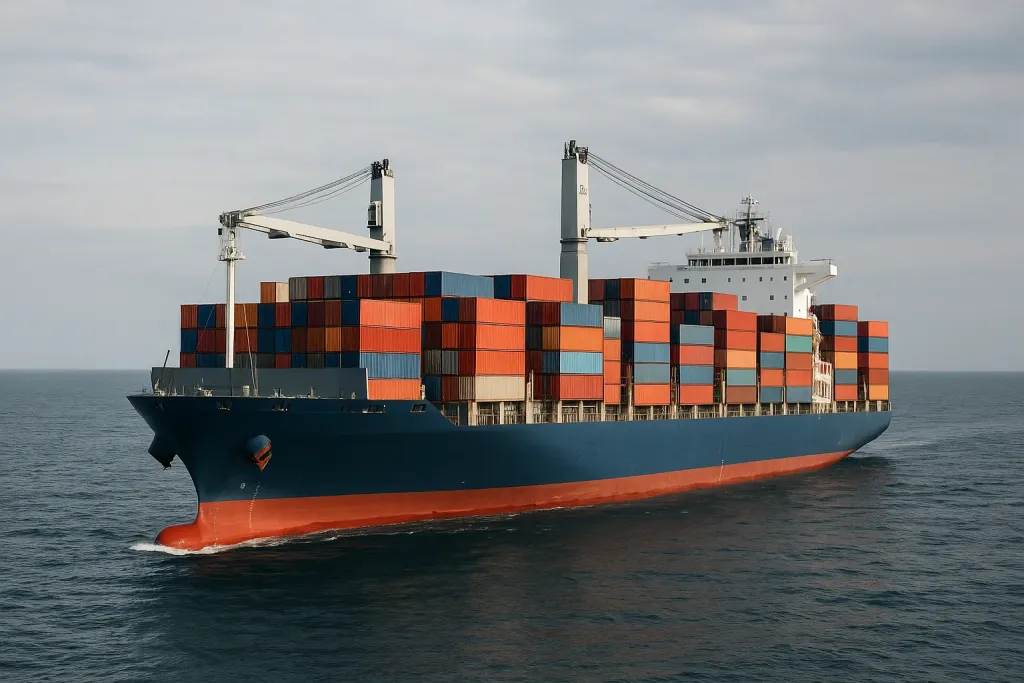
Supply disruptions, including attacks on grain infrastructure in the Black Sea, have interrupted wheat exports and forced countries to seek alternative supplies. Instability in the Red Sea is forcing ships to take longer routes around Africa, increasing transportation costs.
Because of geopolitical tensions fuel prices have risen and there have been interruptions to fertiliser exports via the Strait of Hormuz, which raises farmers’ costs. Along certain key routes the cost of maritime shipping has increased by about 50%; wheat prices have risen by more than 30%, and rice in key Asian exporting countries has become 10-13% more expensive.
Impact on producers and possible consequences for Ukraine
High fertiliser costs and more expensive logistics are making operations harder for large producers, including Nestle India and Indofood, which report increased costs for raw materials and delivery when setting final prices. Overall, companies are factoring higher production and logistics costs into pricing.
For Ukrainian consumers and exporters such changes may affect import prices, production and logistics costs, as well as the availability and price of fertilisers for agriculture.