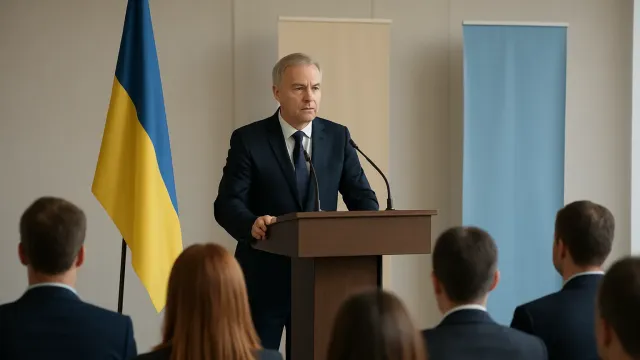


Serhiy Mamedov, chairman of the board of Globus Bank, said that today the most favourable rate for buying currency in Ukraine is offered by bank mobile apps. Banks compete for customers and often set online rates even at a loss, covering the difference with card transaction fees.
Why banks set attractive online rates
Financial institutions compete for customer flows, so on different days of the week each bank tries to offer better terms in its app. When a client buys currency onto a card, they mostly then spend it from that card, and the bank receives interchange fees - additional charges that compensate for the difference in the rate.
“When a person buys that currency onto their card, they mostly then spend it from the card. The bank receives interchange; these are additional fees. Therefore financial institutions are prepared, even in terms of rate‑setting, to operate at a loss because other income covers that,” he explained.
Why cash exchange offices charge a higher rate
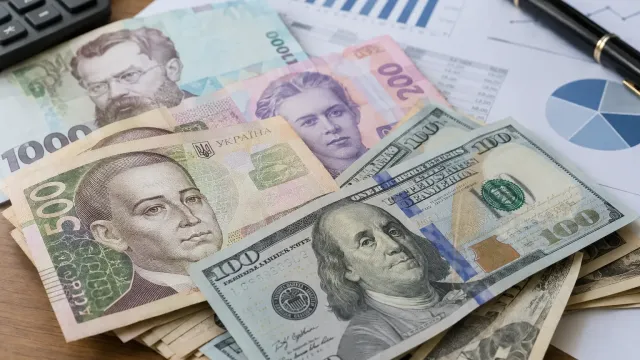
The higher price of currency in cash exchange offices is linked to additional costs of replenishing cash desks. To convert non‑cash currency from the interbank market (the market for operations between banks) into cash form, a financial institution is forced either to buy it from other banks or to buy it from the public through exchange points, embedding its own margin and commission expenses into the cost.
There is currently no shortage of cash currency on the market: during demand surges the National Bank of Ukraine (NBU) promptly supported financial institutions by selling cash to replenish tills, which quickly eased the rush. Official confirmation of the source of funds is required for large transactions.
Limits and currency restrictions during the war
Citizens can buy currency online up to 200,000 hryvnia per month and transfer up to 100,000 hryvnia equivalent abroad. As people have become accustomed to non‑cash operations, the National Bank of Ukraine (NBU) has gradually expanded limits, which, the banker believes, meets the needs of most of the population.
He also emphasised that measures to restrain capital outflows during the active phase of the war were a justified step by the state, and that in the future, after the situation stabilises, the market will need to be gradually opened to attract foreign investment.
In the coming days it is worth watching the official NBU rate, the interbank market, cash exchange rates in exchange offices and banks’ app rates, as well as limits on online purchases and international transfers and the NBU’s actions regarding the sale of cash to top up cash holdings.