



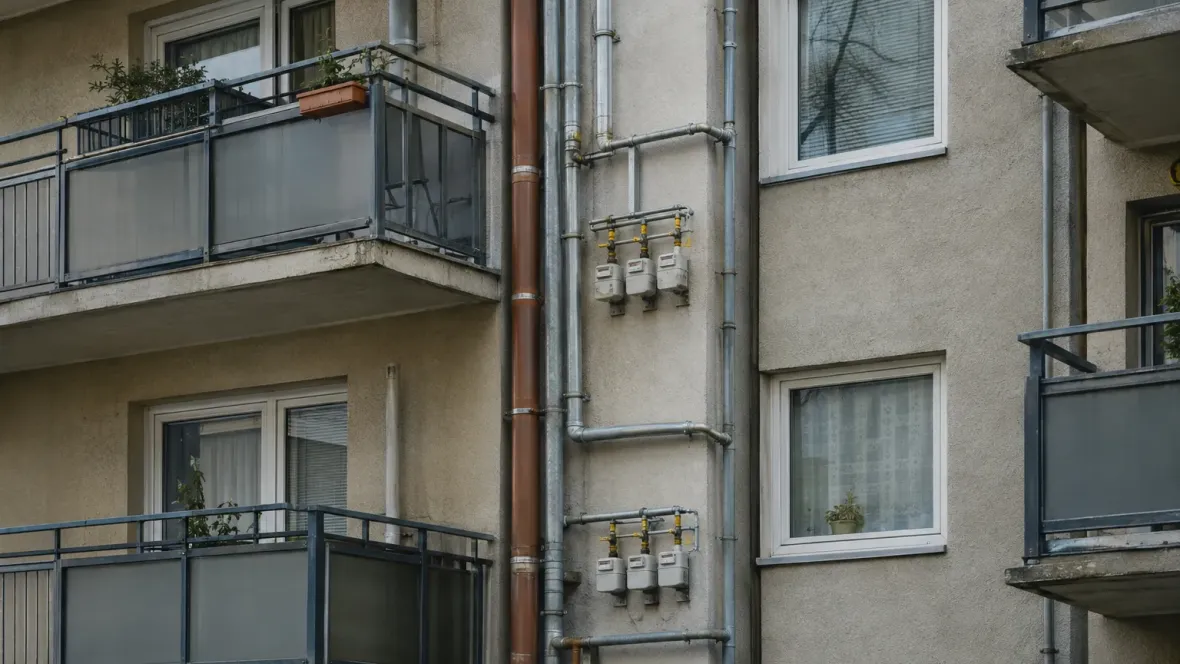
According to Eurostat, housing prices in the European Union (EU) rose by an average of 69% from 2015 to the second quarter of 2026, and rents and spending on utilities also continued to increase.
As a result, millions of Europeans are spending more than 40% of their disposable income on housing, which Eurostat classifies as excessive housing costs.
Definition of excessive housing costs and the level in the EU
Excessive housing costs are defined as expenses that exceed 40% of a household’s disposable income. Disposable income is the amount remaining after taxes and social contributions have been paid; it also includes social benefits, including pensions.
In 2025 the share of households across the EU spending more than 40% on housing stood at 7.7%. Eurostat notes that housing costs, rent and utility expenses are growing faster than household incomes, hitting those on the lowest incomes particularly hard.
Countries with the highest and lowest rates
The highest share of households with excessive housing costs was recorded in Greece — 26.4% in 2025. Next were Denmark — 14.7% and some countries outside the EU: Switzerland — 15.3% and Norway — 13.5%.
Among the countries with the lowest shares of households spending more than 40% were Cyprus — 2.4%, Croatia — 3.2%, and Slovenia and Slovakia — 3.5% each. Among the large economies, Spain — 7.2%, France — 6.4% and Italy — 5% were below the EU average, while Germany was above the average.
Number of people and vulnerable groups
By absolute numbers, the most people living in households that spend more than 40% of income on housing are in Germany — 9.4 million, Turkey — 8.6 million, France — 4.4 million, Spain — 3.5 million, Italy — 2.9 million and Greece — 2.7 million.
Among people at risk of poverty, the share of those spending more than 40% of their disposable income on housing in the EU reaches 29.1%. Eurostat also notes that the level of financial burden is influenced by the structure of the housing market, the share of renters and the social protection system, and that tenants in the private rental market typically face greater pressure from housing costs.