

What the new service changes and who it applies to
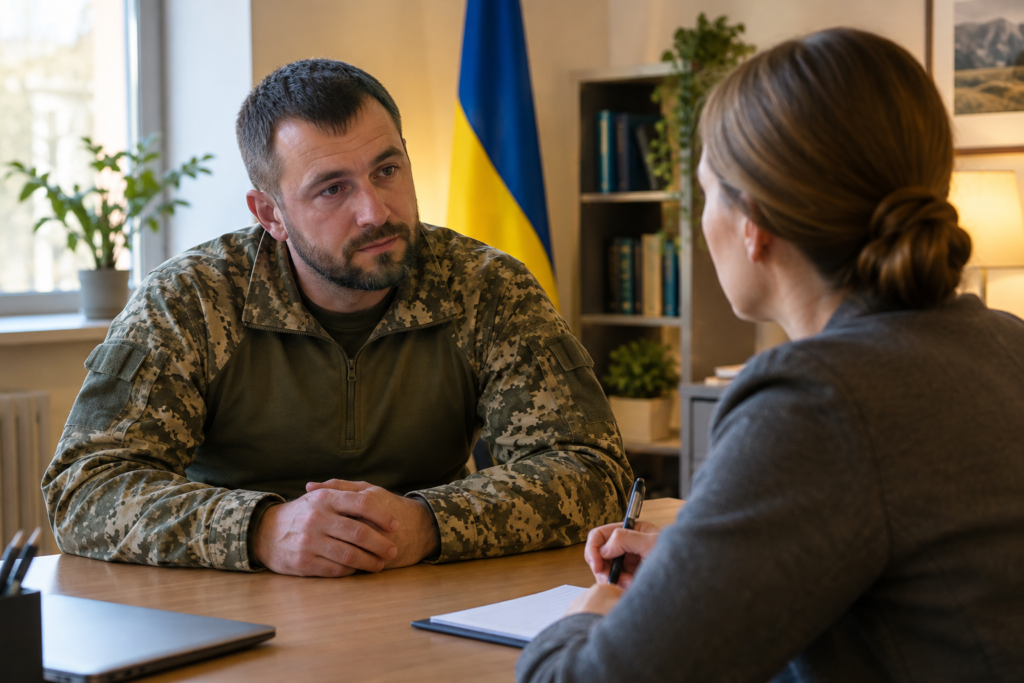
The State Veterans Support Service is intended to streamline assistance for those returning from military service to civilian life. Each veteran will be assigned a caseworker who will coordinate access to required government services and ensure that support is not merely advisory but delivers a tangible outcome for the individual.
The Minister for Veterans Affairs, Vitaliy Kim explained on the broadcast of “Suspilne Studiia” that the concept has already been developed and is currently being agreed with specialists, experts and representatives of the veteran community. The plan is to create uniform standards of assistance that will apply regardless of a veteran’s place of residence.
How the service will operate, step by step
The new system aims to change how caseworkers’ performance is assessed. Instead of counting the number of consultations, assessment will be based on whether a veteran received a concrete service and whether it addressed their need. That means outcomes will become the main quality criterion.
Below is a brief outline of how veteran support will work in the new system.
- The system assigns a caseworker taking into account the veteran’s area of residence and the complexity of their needs. Assignments will be automated to ensure an even distribution of workload.
- The caseworker coordinates access to required government services, helps with paperwork and liaises with local authorities and agencies, and records the outcome achieved for the veteran.
- Work will be evaluated by outcome rather than by visits. The system must track whether the service was provided and whether it resolved the veteran’s request.
- If a veteran is unhappy with their caseworker, they can request a change. The option to continue consulting specialists the person already works with will also be preserved.
How the service will be organised, the standards and digital services
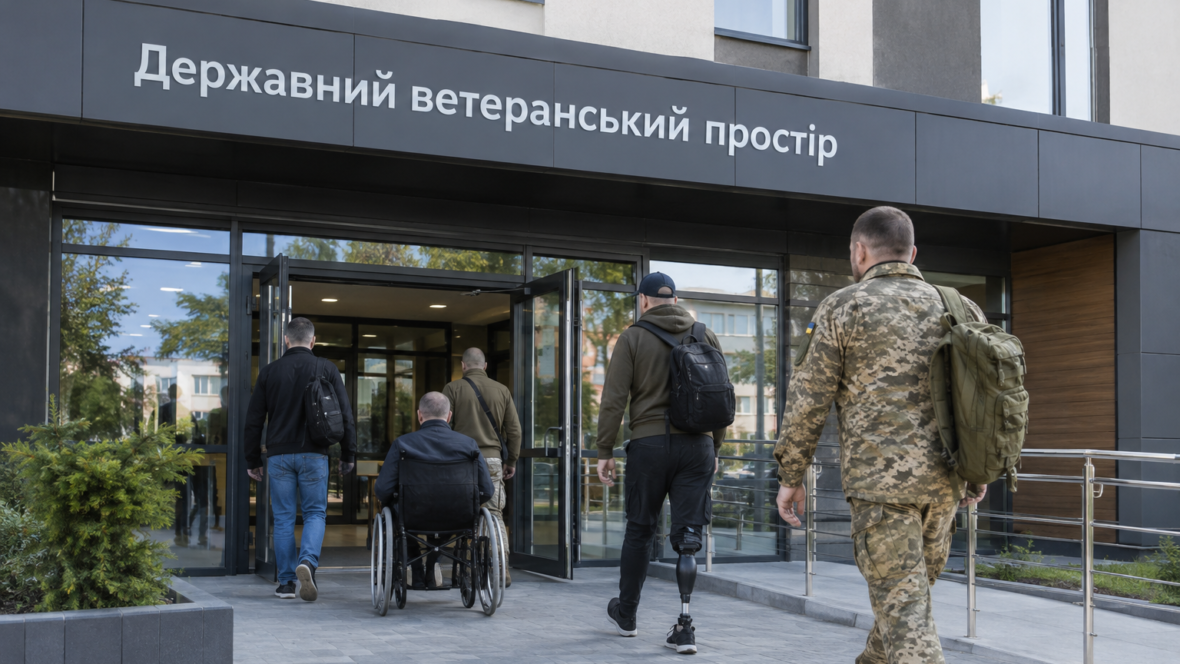
The new service is planned on the basis of the state non-profit company 'State Veteran Space'. This will allow existing infrastructure to be used without creating additional organisations. That model should ensure uniform standards of assistance and easier quality control regardless of region.
The minister stressed: “We must ensure equality of the service a veteran receives.” Currently, accompaniment is hired by local authorities and the state transfers funding for it. The new model envisages standardisation and evaluation by outcome so that all veterans have equal opportunities to obtain the help they need.
At present there are 286 specialists working, while the maximum headcount envisaged in the plan is 6,000 specialists. The ministry plans to gradually expand the network and set workload norms for employees. To that end it is developing a system that will take into account the complexity of each case and automatically calculate the amount of work performed.
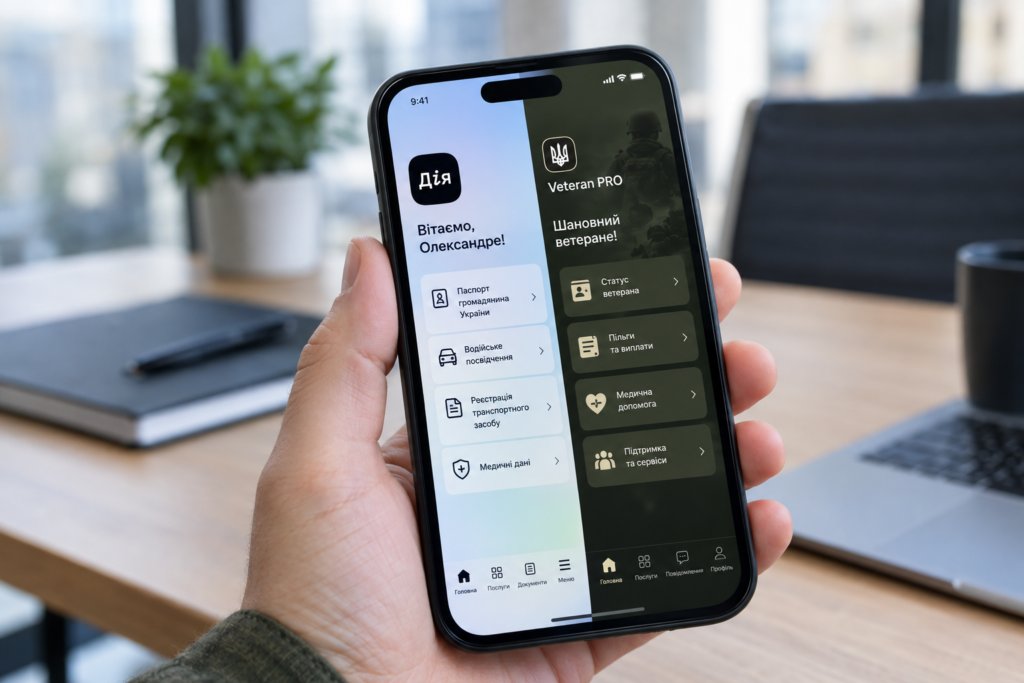
Veterans will be able to find their caseworker via the Diia app, where contact details, including phone numbers, will be displayed. There are also plans to expand the digital service “Veteran PRO” and to introduce a single state telephone number for information at any time. As the minister explained: “We are not destroying any old systems. We are optimising this line; that is, we plan to add a single window, including a single number.”
The concept is planned to be finalised by the end of 2026. For now the discussion is about developing and agreeing the system rather than a full launch, so an exact start date for the service has not yet been announced.