


Nearly one in three households in Ukraine that applied for humanitarian assistance did not receive it, and among people living alone aged 60 and over the share of such applicants reached 45%, according to an October study by the International Organization for Migration (IOM). Member of Parliament Danilo Hetmantsev drew attention to these findings; the survey covered more than 4,000 respondents in territory controlled by Ukraine.
60% of households do not know how to apply
According to the survey, 60% of households do not know how to apply for humanitarian assistance. At the same time, only 26% of respondents are aware of humanitarian services provided by non-governmental organisations in their locality.
The study points to a problem with informing the population: even if certain support programmes are operating, people may not know about them or may not understand how to use the available options. People living alone aged 60 and over were identified as a particularly vulnerable group.

Only 42% received assistance that fully covered their needs
Among households that received humanitarian assistance, only 42% said it fully met their needs. The majority of respondents — 76% — preferred cash assistance, noting that cash allows them to prioritise their own spending.
The survey also notes that not everyone who did not receive assistance was necessarily eligible: some applicants may not have met programme criteria, while others were still awaiting a decision. Among the potential expenses respondents said they would use cash assistance for were food, medicines, rent and utility payments.
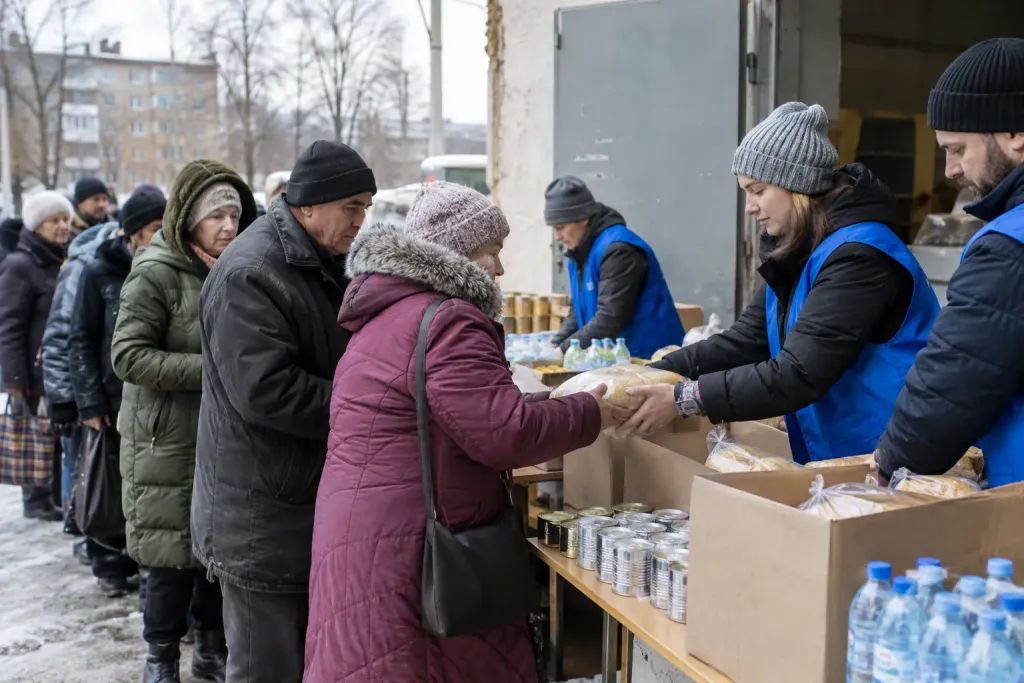
Possible reasons why applicants remain without support
The study lists several possible reasons why applicants do not receive assistance: not meeting the specific programmes’ criteria, complex application procedures, delays in processing or lack of funding. The study itself notes that these reasons can affect different population groups in varying ways.
The IOM also states that increasing the volume of humanitarian assistance alone does not guarantee it will reach those who need it most, and points to the need for accessible information, transparent selection rules and a clear mechanism for receiving assistance.