

The research centre of the international employment company Gremi Personal states that Polish business in Q3 2026 is moving from cuts to stabilisation of employment, but the recovery is uneven; the study is based on the October report of the National Bank of Poland (NBP), a survey of 2,516 enterprises, statistics of the Central Statistical Office (GUS) and sector monitoring.
Overall employment dynamics in Q3 2026
In the business sector employment in the third quarter fell by 0.6% year on year, or by 38.3 thousand people; the average monthly number of employees was 6.704 million. Previously, in 2025 and in the first half of 2026, the decline was consistently 0.8% year on year, or more than 50 thousand people.
The employment expectations balance improved: it rose from 14.5 percentage points in the second quarter to 15 percentage points in the third. Around 23% of companies surveyed planned to increase headcount, while about 8% intended to reduce staff.
Biggest hiring growth — in production of defence and transport equipment
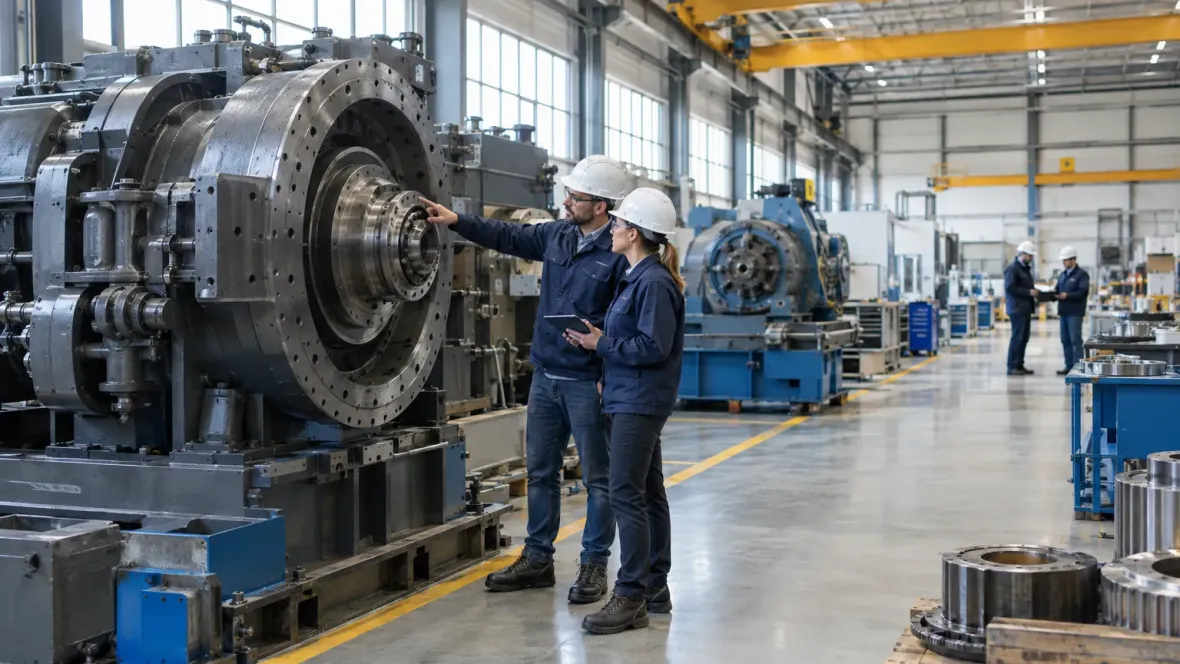
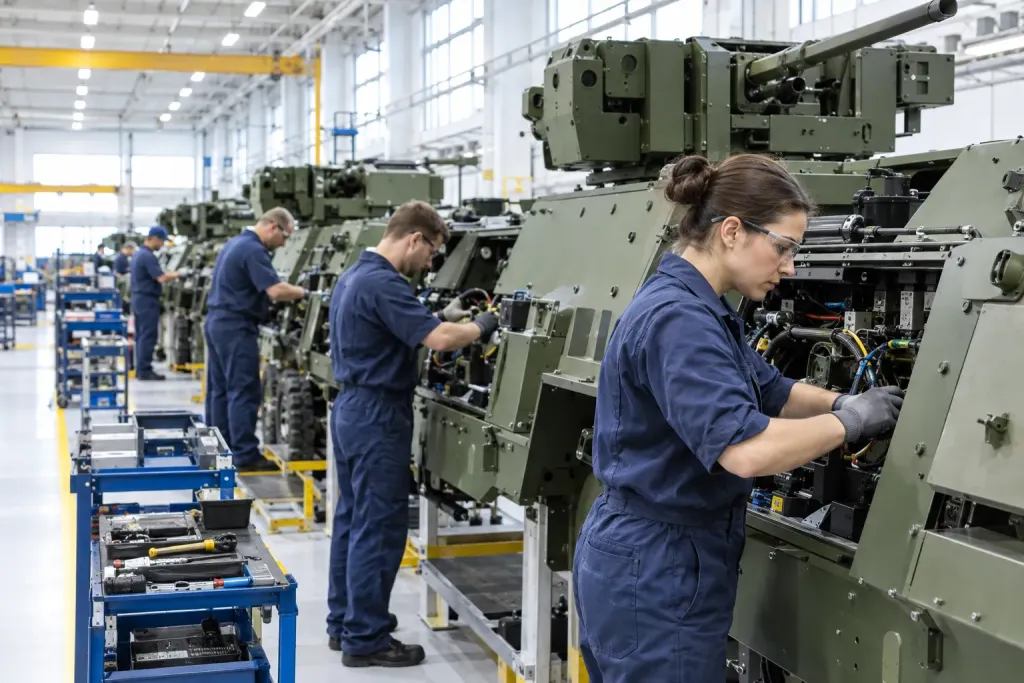
In the production of other transport equipment, which includes military equipment and railway rolling stock, employment rose by 2.8% to 60.3 thousand people. In the manufacture of industrial equipment, infrastructure and specialised machinery the increase was 2.4% (to 126 thousand), while employment in the production of computers, consumer electronics and optical equipment rose by 3.9%.
These areas are largely linked to state contracts that are stimulating investment and the hiring of technical specialists. At the end of October three defence companies of the state holding Polska Grupa Zbrojeniowa announced investment projects of almost 1.3 billion zloty with state support and the creation of new jobs.
Automotive industry and household appliance manufacturers cut staff
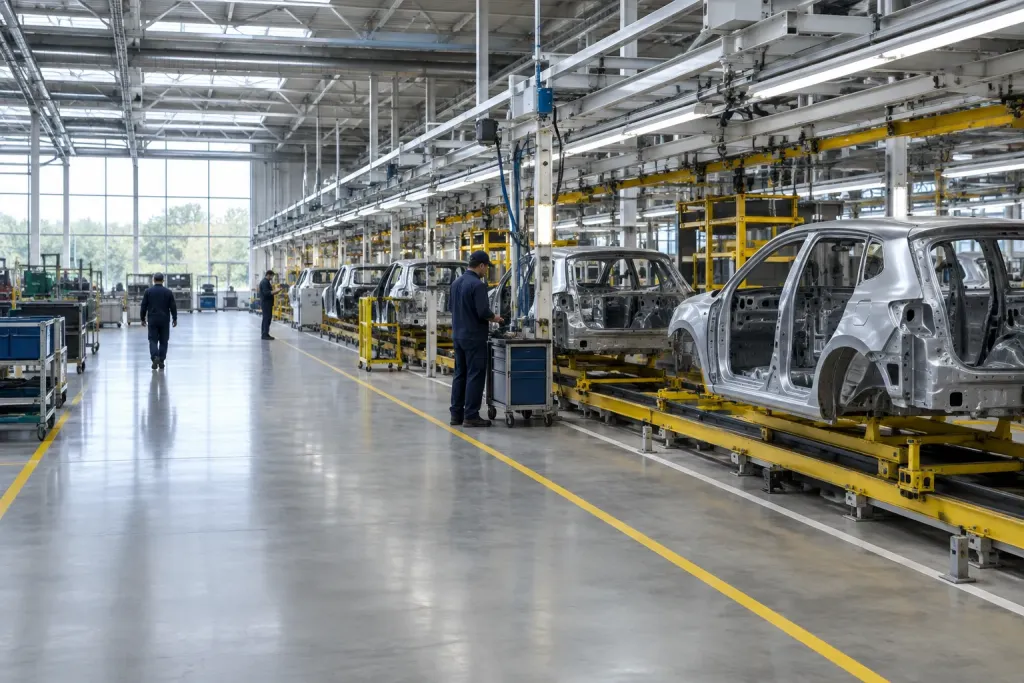
In the automotive industry average monthly employment in Q3 fell by 3.3% year on year — by 6.7 thousand people, to 194.7 thousand. In the manufacture of electrical equipment, including household appliances, the decrease was 0.9% (to 114 thousand employees). The decline is attributed to falling passenger car sales, while production of buses and trucks is increasing.
Significant falls in employment were also recorded in the furniture and light industries: respectively by 6.3% (to 75 thousand people) and 5.5% (to 136.3 thousand). At the same time, employment in retail increased by 0.7% (to 741 thousand), and in HoReCa (hotels, restaurants and catering) by 1.4% (to 169.7 thousand).
Wages, inflation and year‑end expectations
The share of firms planning to raise wages in the next quarter fell from 28.1% in Q2 to 25.7% in Q3. The average wage in the business sector in Q3 was 9,345 zloty gross; over the year it rose by 6.1% or by 537 zloty; in Q2 the annual increase was 5.7%.
Inflation affected wage dynamics: in February its annual rate was 2.1%, and by September it had reached 4.1%. In September annual wage growth slowed to 5.9%, while over the nine months of 2026 the average nominal wage in the business sector increased by 6% year on year compared with 8.2% in the same period last year.
Through the end of the year Gremi Personal expects further stabilisation of overall employment without mass staff expansion; demand for workers is likely to continue being redistributed between sectors, notably rising in certain branches of mechanical engineering and in the production of transport and defence equipment.