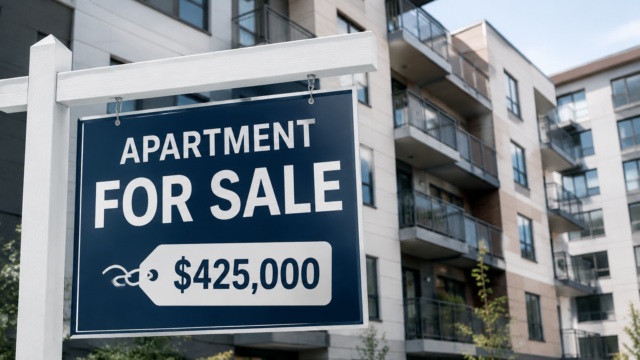




Why is real estate considered the foundation of a portfolio and what three functions does it perform?
Real estate is a tangible physical asset that cannot be «wiped out» by a technical failure or a counterparty’s bankruptcy. For that reason it is often seen as an investor’s portfolio foundation, able to preserve capital value even during unstable periods.
For an owner, residential real estate fulfils three key functions at once. First, it preserves capital. Second, it can provide regular rental income. Third, it has the potential to appreciate in value over time. These three elements make it a versatile investment tool, provided risks are properly managed and the region and housing type are chosen carefully.
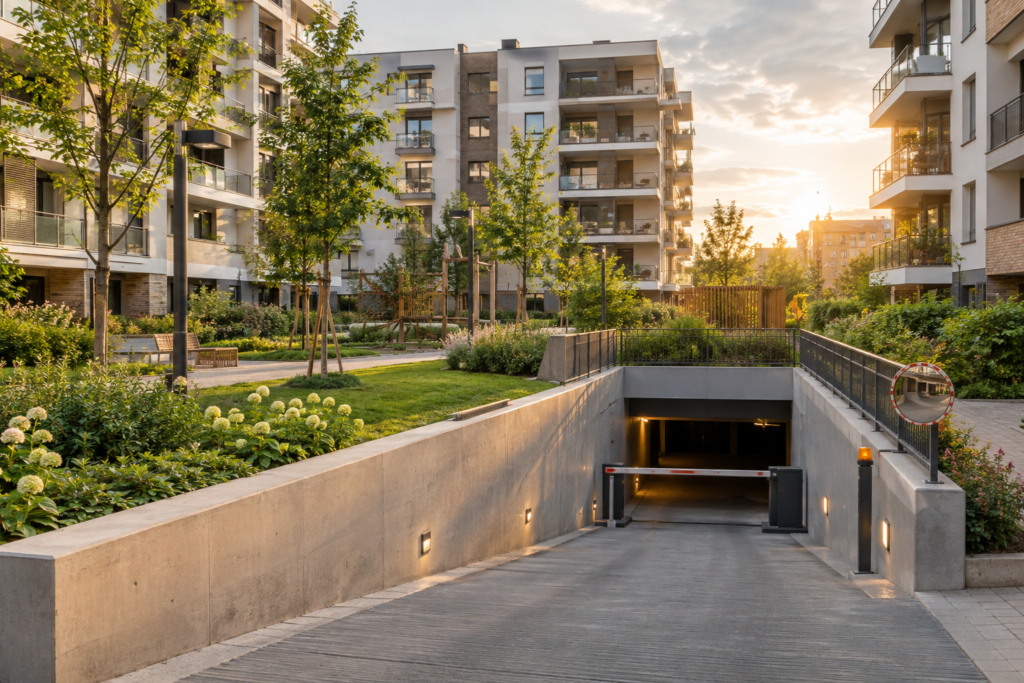
What rental yield is realistic in large cities and how much remains after expenses?
In Kyiv and other large cities, the nominal rental yield of residential property in foreign-currency equivalent is approximately 7−11% per year. This figure is before taxes and maintenance costs.
After taxes and operating expenses, net profitability typically falls to 4−7% per year. That is why today investors’ main profit often comes less from rental income and more from the appreciation of the asset itself over time.
How to reduce portfolio risk and what share of real estate should you hold?
Experts recommend not concentrating investments in a single property or neighbourhood. An optimal share of real estate in a portfolio is considered up to 35% and it is important to split that share among several objects by type, location and class.
A single property carries local risk related to the particular building, neighbourhood or even tenant. Having several different properties dilutes those risks. When evaluating housing, an investor should look not only at size and layout but also at the complex’s infrastructure, security level, autonomy and the availability of essential services, because these characteristics affect demand.
Where to look for growth potential and which examples illustrate it?
When choosing a property, it is important to assess the development prospects of the specific location and the resilience of housing demand in the region. According to the company Blago, investors should take into account the pace of infrastructure development and the economic attractiveness of the area before buying.
As an example, Blago cites Ivano-Frankivsk, which showed a median increase in the price per square metre of 80−85% compared with the start of 2022. By comparison, Lviv saw growth of about 55%, Chernivtsi over 50%, while Kyiv was at 8−10% due to higher security risks. Blago link the dynamics in the West to quality of life, business development and proximity to the Carpathians.
What to know about investment projects using Son Daven as an example and the entry threshold
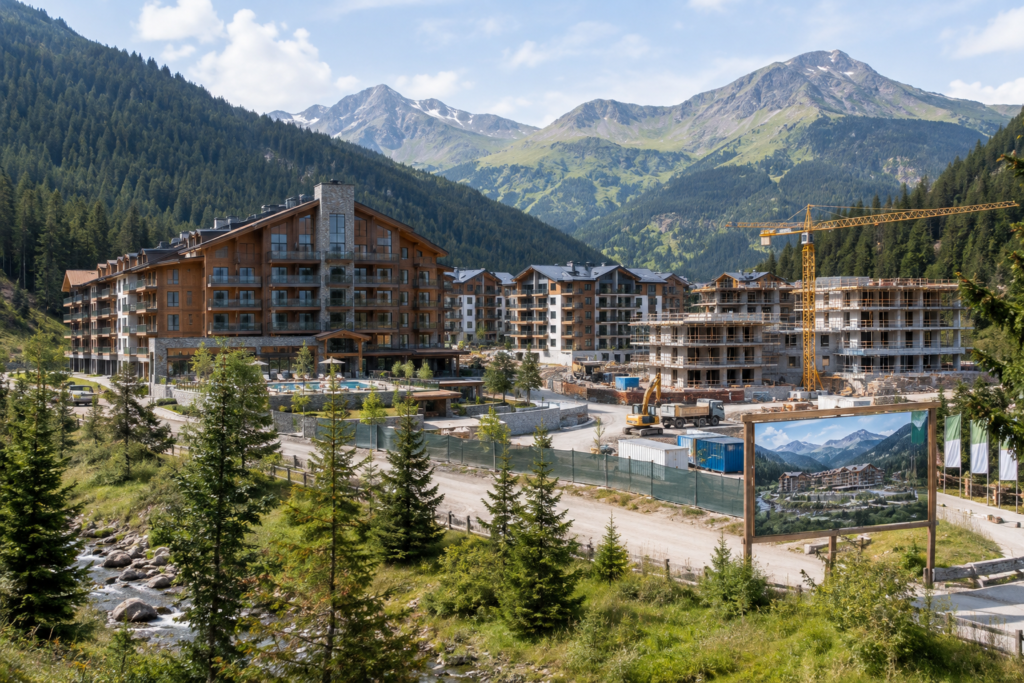
The Son Daven project in Yaremche illustrates a model of investing in apartments within a hotel complex with subsequent management by a professional operating company. This allows investors to receive income while also expecting capitalisation after commissioning.
The entry threshold for Son Daven today starts from USD 42,000. The developer emphasises that the investor buys property with a defined area and rights to the unit, and that the project already has architecture and actual construction progress, but there remains potential for the asset’s value to rise before commissioning.