


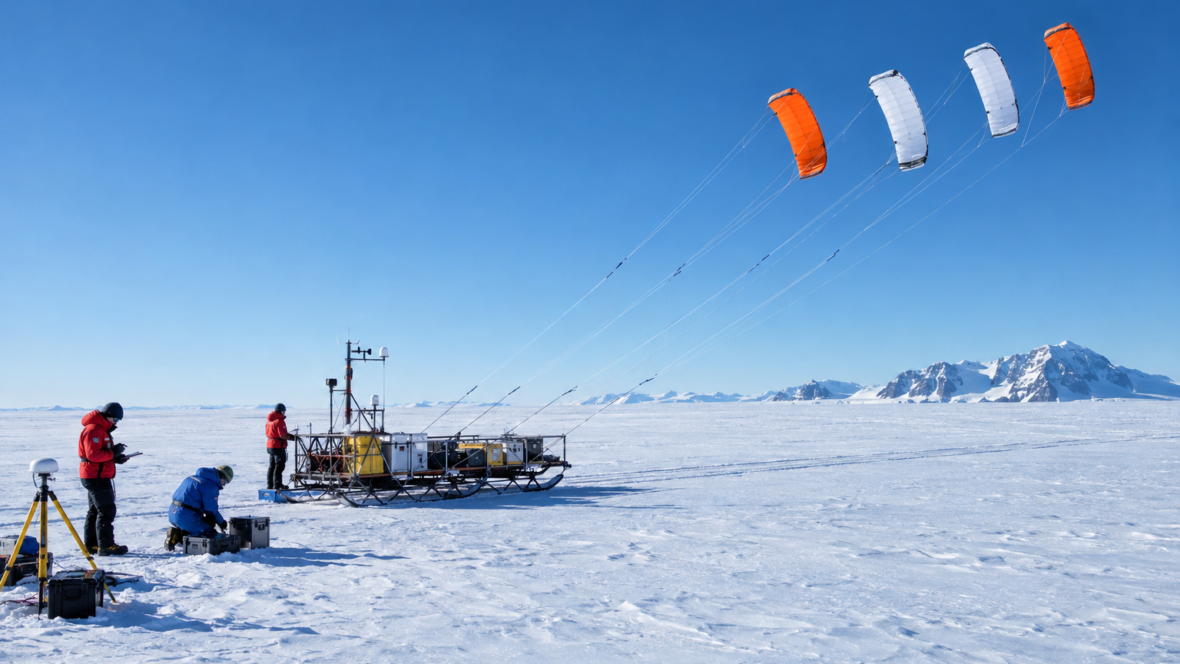
Spanish polar researcher Ramón Larramendi will lead an expedition that is set to cross roughly 3400 km of Antarctica’s interior in about 80 days without using fossil fuels. The project, called ‘Antarctic Wind Sled Transport 2026−2027’, will carry equipment for 16 research projects.
Departure dates and route
The expedition will depart from Spain on 18 October and return in early February. The route will begin near the Russian base Novolazarevskaya in Queen Maud Land and will finish at the Franco-Italian Concordia Station in Dome C.
The itinerary includes crossing the Pole of Inaccessibility and the surroundings of the Pole of Cold. The journey will cover remote and hard-to-reach areas to collect data on ice, climate change and polar ecosystems.
Technology and cargo capacity
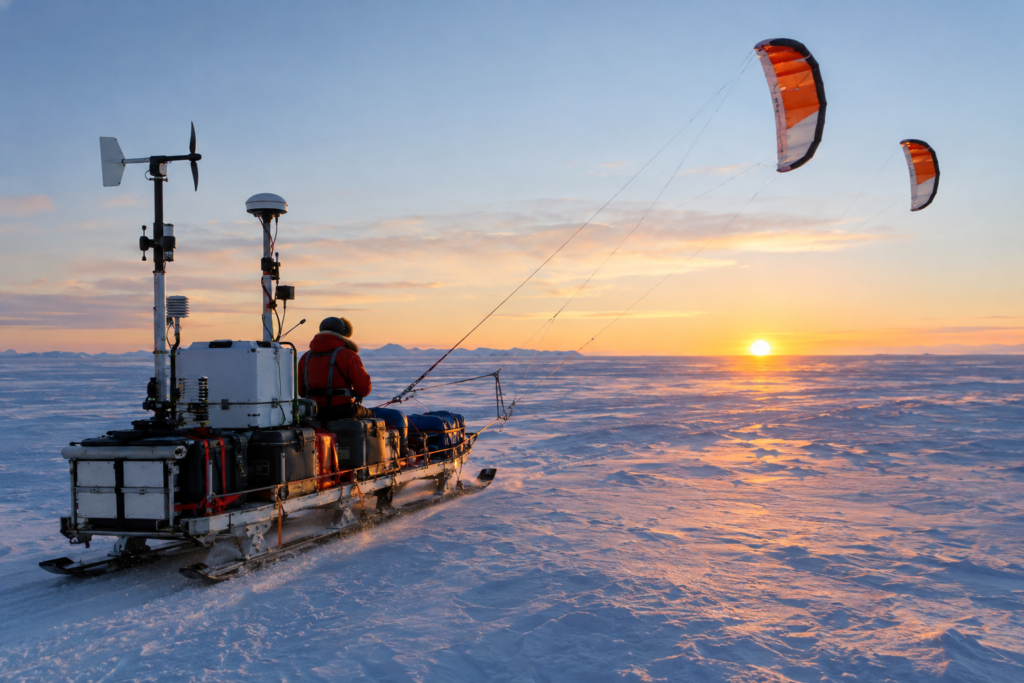
“Wind sleds — they are something. to some extent. absolutely unique in the world,” Larramendi told Euronews. The vehicle combines kites to power equipment from wind energy and solar power and is inspired by Inuit traditions.
The sleds’ design is the result of about 25 years of development and experimentation; Larramendi notes that during that time he has covered more than 28 000 kilometres on the ice in various expeditions. The platform consists of four modules 15 metres long and can carry up to 2100 kilograms of cargo, although on this trip they initially plan around 250 kilograms of scientific instruments.
Cruising characteristics and environmental aspect
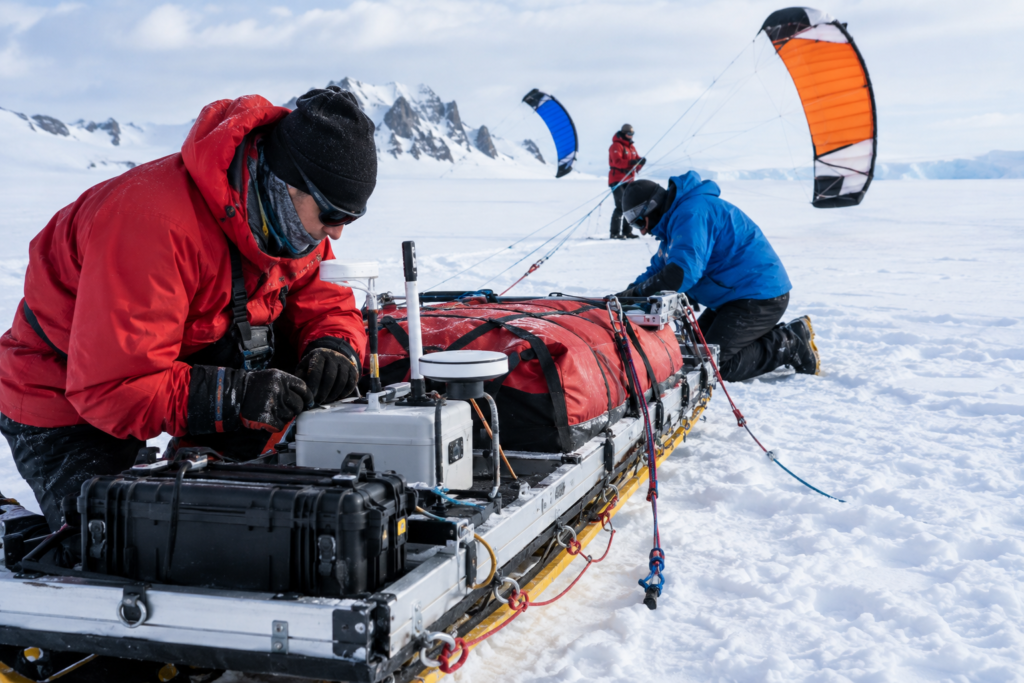
The crew will have 20 kites ranging in area from 5 to 150 square metres, which they will select depending on weather conditions. In favourable conditions the sleds can reach speeds of up to 80 km/h, with an average speed of around 25 km/h.
Not using fossil fuels should reduce the expedition’s environmental impact and logistical needs; by comparison, the Transantarctic Scientific Expedition 2011−2012 used approximately 170 000 litres of fuel over two months. Larramendi hopes the campaign will demonstrate the platform’s potential as a scientific base for future expeditions.
“These sleds combine Inuit techniques that seem ancient and somewhat odd. So it’s a very, very strange combination, but extremely efficient,” says Larramendi. He added: “Other renewable energy systems may emerge for crossing Antarctica, but none will be more sustainable or have less impact than Wind Sled.”