


What’s happening with the project
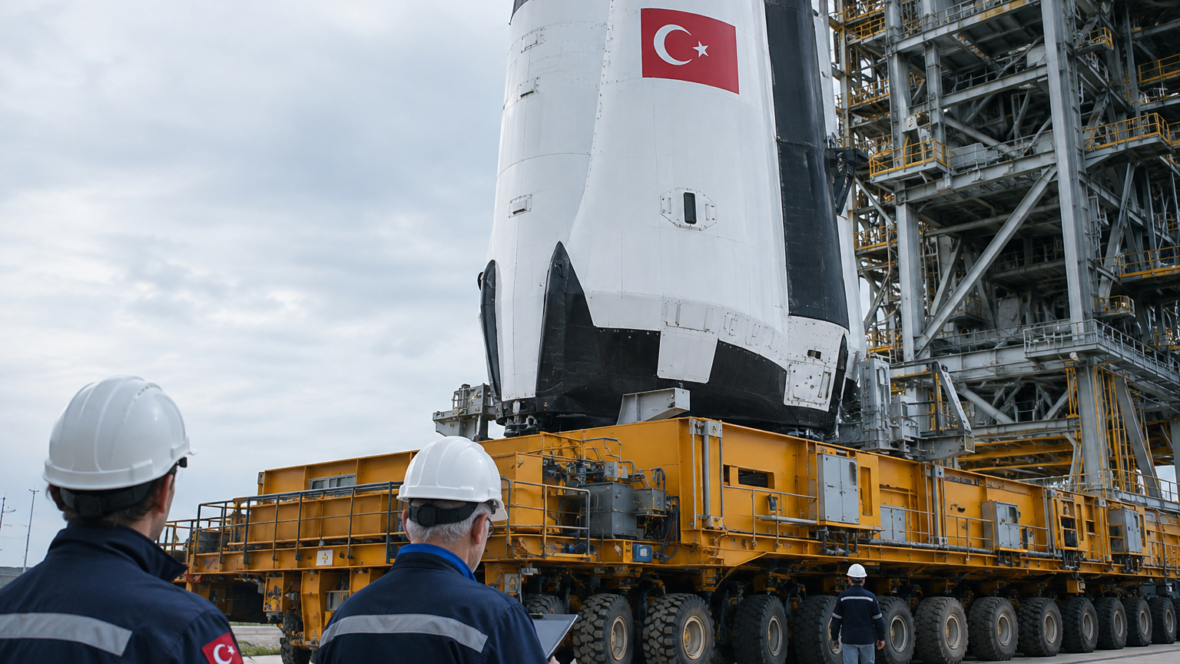
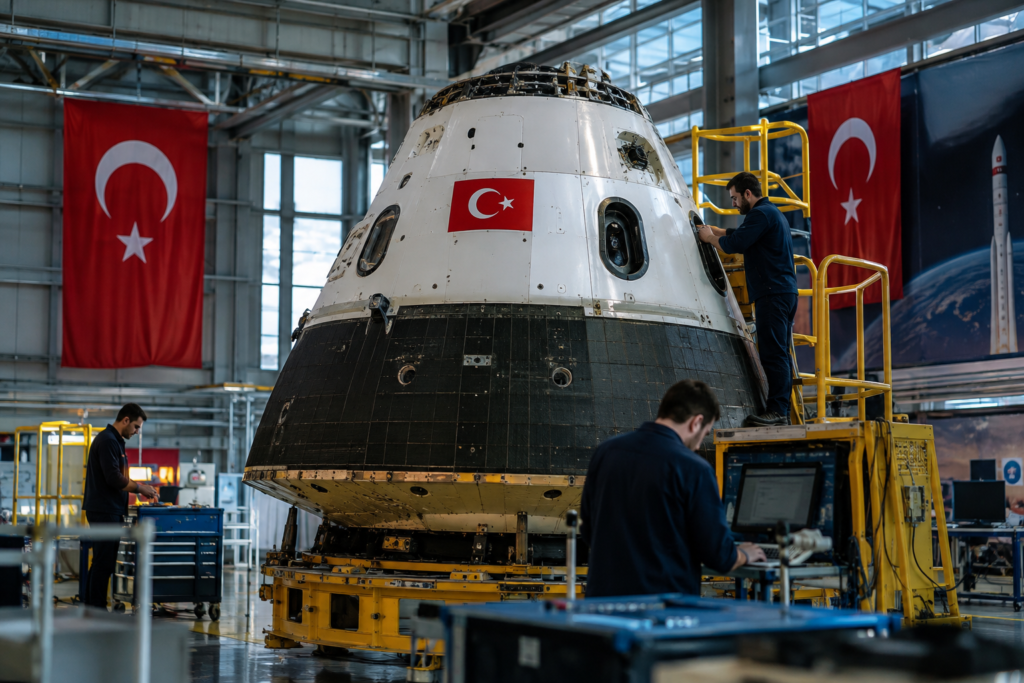
Turkey has completed the manufacture, assembly and integration of its own spacecraft for its first lunar mission and is preparing it for environmental testing. This was said by President Recep Tayyip Erdoğan during the International Astronautical Congress (IAC) 2026 in Antalya.
According to the developer Tübitak Uzay the spacecraft weighs about 3.5 tonnes. The share of Turkish-made components exceeds 80%. System-level tests are currently underway ahead of the launch.
Technological evolution and previous projects
Erdoğan emphasised that the engineering experience from the İMECE and Türksat 6A projects was applied to this mission. With this approach Turkey is steadily building expertise and does not start each project from scratch.
This is a typical path for countries expanding their space capabilities. Transferring solutions and skills from one project to another reduces risks and shortens development time for complex systems.
Technical parameters and flight schedule
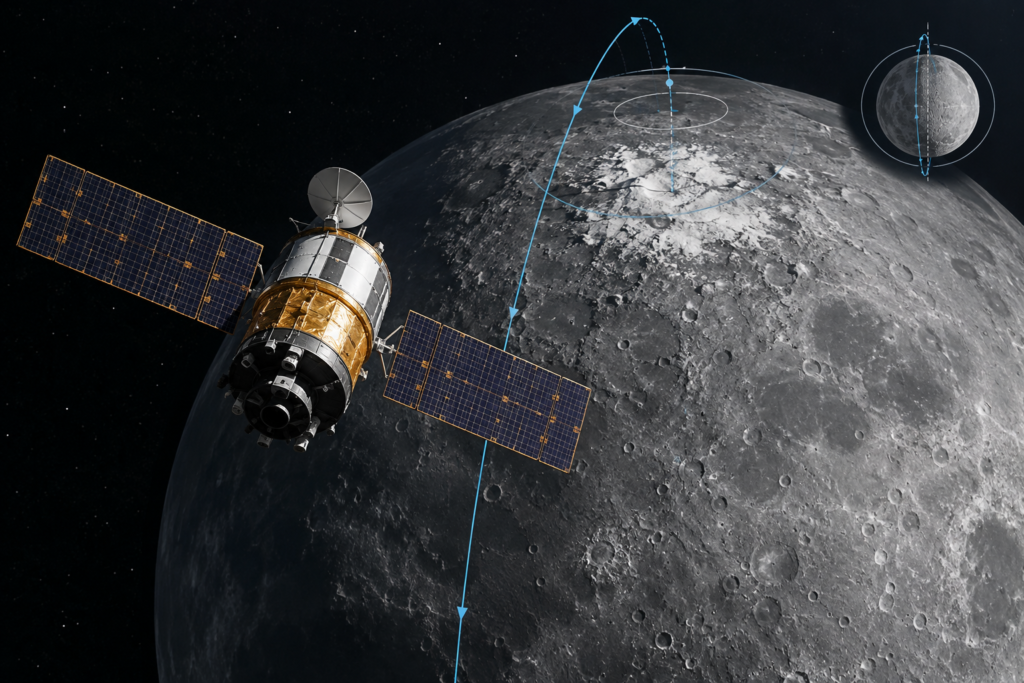
The launch is planned for the first half of 2027. After liftoff the flight to the Moon will take about two months and the spacecraft is expected to enter a circular polar orbit at roughly 100 km above the lunar surface.
In orbit the spacecraft will conduct scientific research and technological operations for at least three months. Depending on the missions progress its operational life could be extended to up to one and a half years. After the scientific phase is complete a controlled descent to the lunar surface is planned.
Why this matters for Ukraine
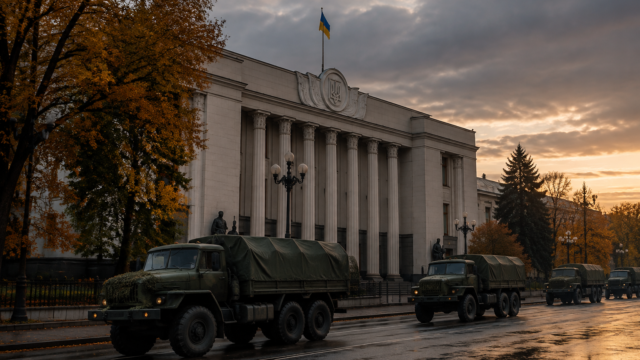
Turkeys move towards independent production of space hardware strengthens the competitive environment in regional markets for components and services. The growth of the Turkish industrys capabilities may alter supply-chain structures and affect demand for modules and subsystems.
For Ukrainian companies and specialists this is both a risk and an opportunity. On one hand competition for contracts and projects could increase. On the other, opportunities may open for cooperation with Turkish manufacturers or for providing specialised engineering and manufacturing services.