


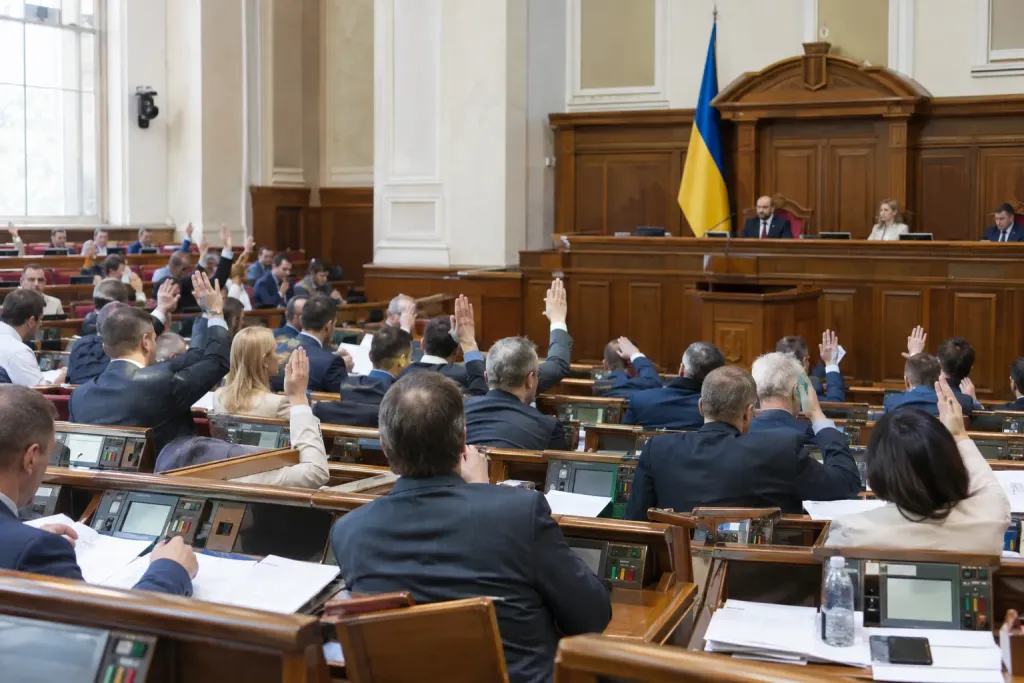
The Verkhovna Rada adopted in full bill No. 16037‑d “On Amendments to the Tax Code of Ukraine Regarding the Simplification of the Administration of the Value‑Added Tax (VAT)”, according to the press service of the Ministry of Finance.
Main provisions on VAT administration
The bill is aimed at simplifying the administration of VAT, developing electronic interaction between taxpayers and supervisory authorities, and improving the procedure for preparing VAT tax reporting and tax invoices. The document was finalised on the basis of the government bill No. 16037.
Among the changes is the introduction of new requirements for filling in tax invoices when selling certain goods, as well as other technical and procedural updates in tax administration.
Changes to taxation of vehicle sales
Income from the sale (exchange) during a year of a passenger car, motorcycle or moped will not be taxed if the person owned it for more than 183 days from the date of state registration. This provision does not apply to vehicles received as inheritance.
If the ownership condition is not met, tax will be applied at a rate of 5% or 18% taking into account the period during which the property was owned by the person.
Provisions on excise and mortgage bonds
The document contains provisions on excise taxation. In particular, until 31 December 2026 importers of cigarettes with and without filters will have the temporary option to purchase excise stamps without limits on accumulating stocks of tobacco products (anti-forstalling restrictions).
Tax legislation will also be aligned with changes in the field of mortgage bonds provided for in the text of the bill.
Entry into force
After being signed by the President of Ukraine the law will enter into force on the day following its official publication. Other provisions have different entry-into-force dates.
The bill was developed to fulfil Ukraine’s international obligations to the European Union (EU) and the International Monetary Fund (IMF); its adoption has been named one of the conditions for receiving macro-financial assistance from the EU and tranches from the IMF.