

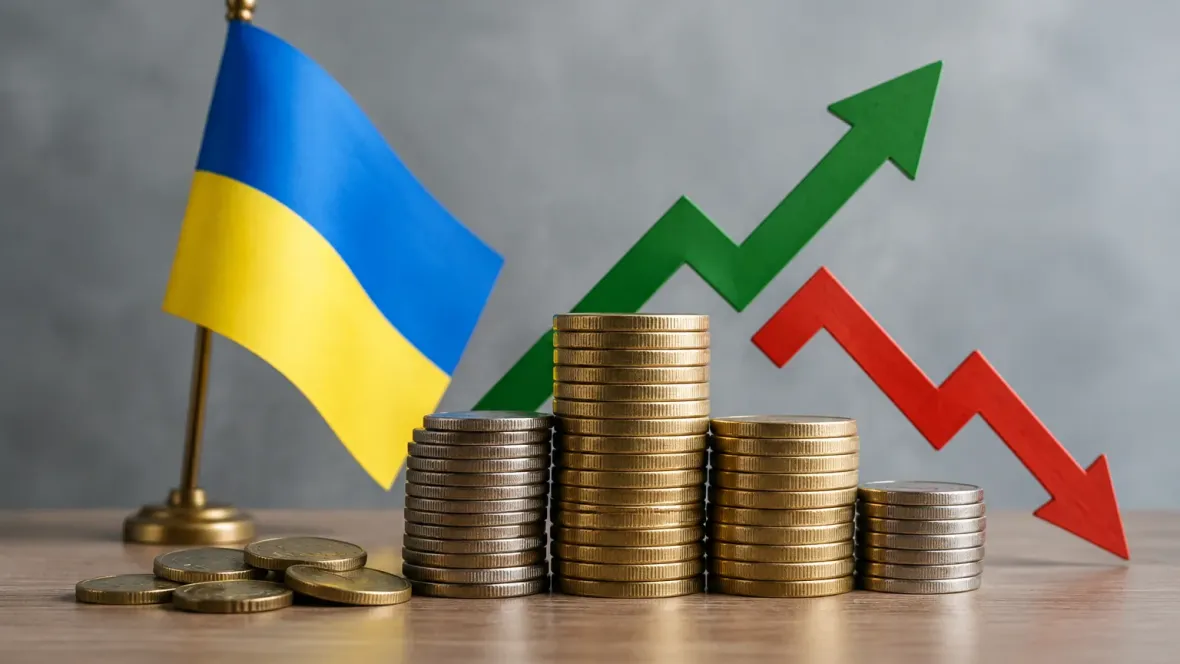
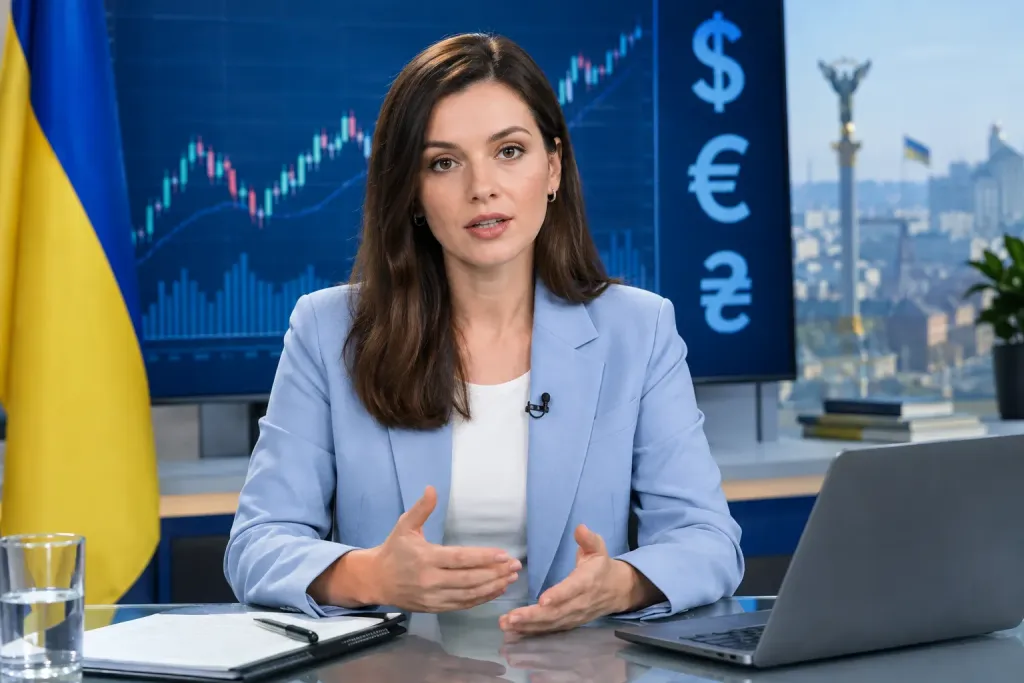
Executive director of the Economic Discussion Club Oleh Pendzyn explained in a video the state of foreign exchange reserves, the volumes of international assistance and the possible consequences for the hryvnia exchange rate and prices in 2027.
How much international assistance has been received and is planned
In the 2026 state budget macrofinancial assistance was to amount to 51.2 billion dollars; in fact, as of early October Ukraine had received 19.9 billion dollars. After the passage of the laws, it was formally possible to unblock a further 4.2 billion euros, which roughly equals 5 billion dollars.
Together with funds already received, this is approximately 25 billion dollars, while around 25 billion dollars from programmes planned under European schemes have yet to arrive. In the 2027 budget macrofinancial assistance is set at 53.2 billion dollars.
What dollar rate is built into the budget and what it is on the market
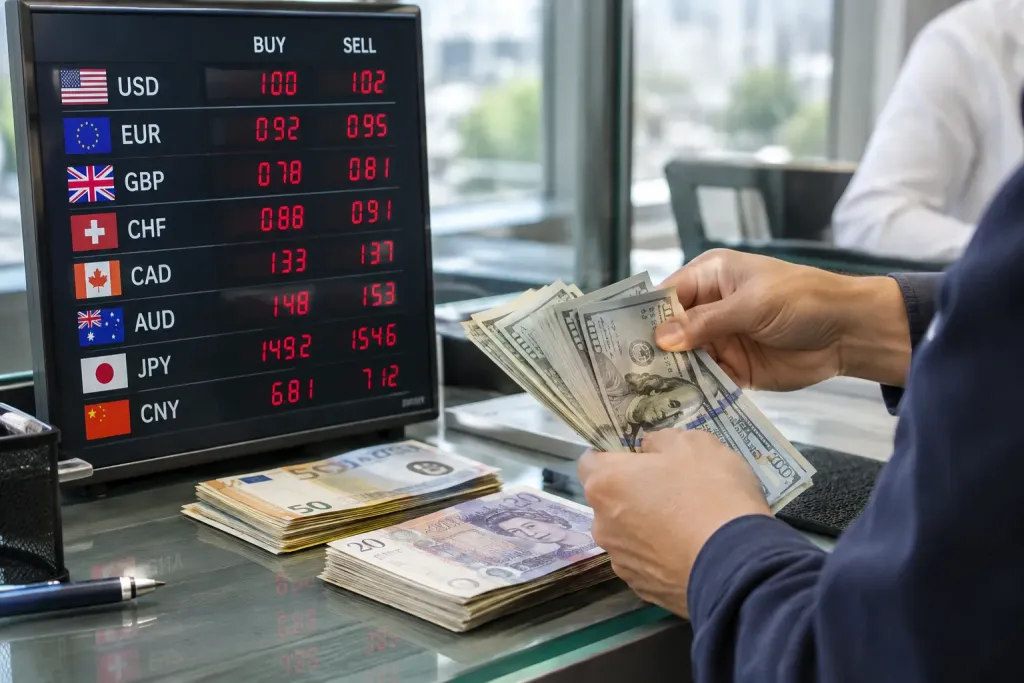
The state budget for 2026 assumes an average annual dollar exchange rate of 45.7 hryvnia. At exchange bureaux the rate is about 45.4–45.6 hryvnia, and the buy rate can reach 46 hryvnia.
Pendzyn notes that the National Bank of Ukraine (NBU) is holding back the fall of the hryvnia through foreign exchange interventions — the regulator’s sale of currency on the market — and each week sells more than 1 billion dollars from its foreign exchange reserves. For 2027 the budget foresees an average annual rate of 47.2 hryvnia, but the actual figure will depend on NBU policy, the inflow of assistance and the level of reserves.
Trade deficit and its impact on prices
Ukraine imports goods worth roughly 70 billion dollars a year and exports up to 20 billion, so the trade balance deficit is about 50 billion dollars. Pendzyn says that if the NBU lets the exchange rate float, imported goods will become significantly more expensive, which would push up inflation.
This explains why the regulator restrains the exchange rate: by limiting price increases it seeks to control inflation. It is also worth explaining the term interbank: interbank refers to currency transactions between banks, where the wholesale exchange rate is formed.
Pensions, public-sector salaries and tariffs
Pensions are paid from the Pension Fund, which is financed by the single social contribution. Given current expenditure, the Pension Fund is running a surplus, so formally there will be enough funds to pay pensions, although the size of the payments remains modest.
Salaries for public-sector employees (doctors, teachers, civil servants who are not part of the security and defence sector) are financed from international macrofinancial assistance. Pendzyn says that if these funds arrive on time, there will be no problems with salary payments.
Forecasts for tariffs, food and fuel
Any increase in tariffs for energy carriers is envisaged by international agreements, but, according to Pendzyn, these changes should take place after the active phase of hostilities ends. At present there are no plans to raise tariffs during wartime; the situation with electricity will depend on circumstances next year.
Food prices will continue to rise gradually towards the next pre-New Year period. This year’s vegetable harvest was decent, so a major spike in their prices is not expected; meanwhile the cost of meat and dairy products will largely depend on the situation with grain.
As for fuel, Ukraine imports it from European countries, and fuel prices depend on the price of oil on the global market. Pendzyn cites escalation of the conflict in the Persian Gulf as a risk factor that could keep world oil prices high and be reflected in fuel costs in Ukraine.
What to watch in the coming days: the volumes and timing of international assistance, the dynamics of foreign exchange reserves and the NBU’s decisions on interventions, as well as movements in the interbank and cash exchange markets.