



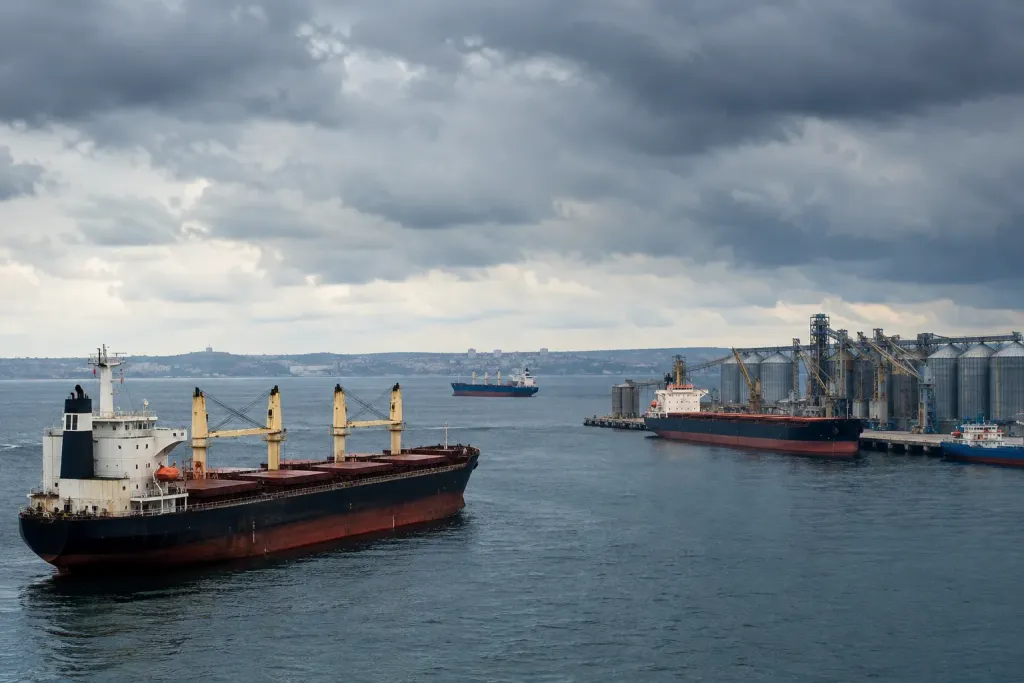
The World Bank, in its Commodity Markets Outlook report, said that due to shipping problems in the Black Sea caused by Russia, global food prices in 2026–2027 will rise by 17%. Overall, commodity prices will increase by 23% this year.
Main causes of the price surge
The report names several factors: a spike in energy prices, disruptions to maritime transport due to the war in the Middle East, complications in transporting grain in the Black Sea and strong demand for safe-haven assets, notably gold. As noted, a set of global shocks has led to simultaneous increases in energy, oil, gas, food and metal prices.
The report also warns of the risks of further escalation in the Middle East and possible attacks on Russia’s oil infrastructure, which could worsen the situation and push prices even higher.
Energy and oil
Energy prices rose by 32% in 2026 and reached their highest level since 2022. Global oil stocks have been substantially depleted, and world supply is set to fall by 5,2% — the largest decline in 40 years outside the 2020 recession.

The average price of Brent is expected to be $92 per barrel, according to the report’s estimates. Such a reduction in supply and high prices are affecting other market segments and the overall level of inflation.
Food, metals and gold
Food prices will rise by more than 10% in 2026 due to shipping problems in the Black Sea and by a further 7% in 2027, giving a cumulative increase of nearly 18%. The report separately notes that fertiliser prices, including urea, will rise by 14% in 2026.
Industrial metal prices will jump by 25%, while precious metals will rise by 40% due to supply disruptions and demand for safe assets. According to the report, in September 2026 Ukrainians purchased 602 troy ounces of gold for about $2,6 million, which is 4% more than in August.
For Ukraine, such global changes can affect the hryvnia exchange rate, domestic food prices, agricultural exports and the labour market.