

The results of the US midterm elections could weaken the dollar and help the euro recover, according to financial analyst Andriy Shevchyshyn forecasts.
Why the dollar could weaken
The Democrats performed better in the midterms than expected and moved closer to a two‑thirds majority in Congress. Even limited Republican support could make it possible to override a presidential veto or to initiate impeachment proceedings, which raises political tension and the risk of budget conflicts.
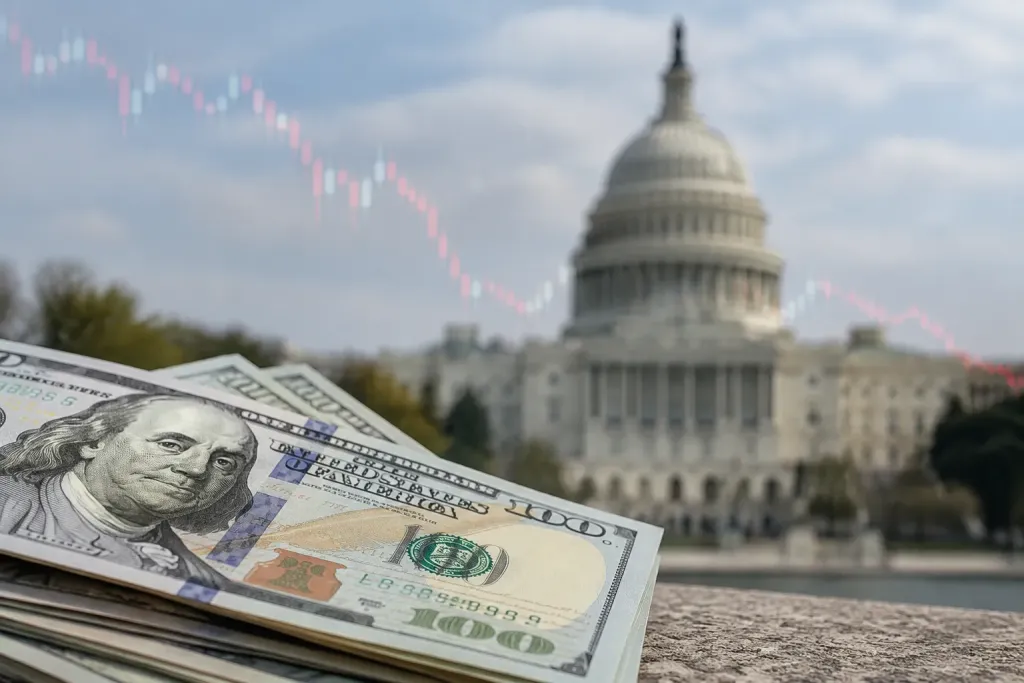
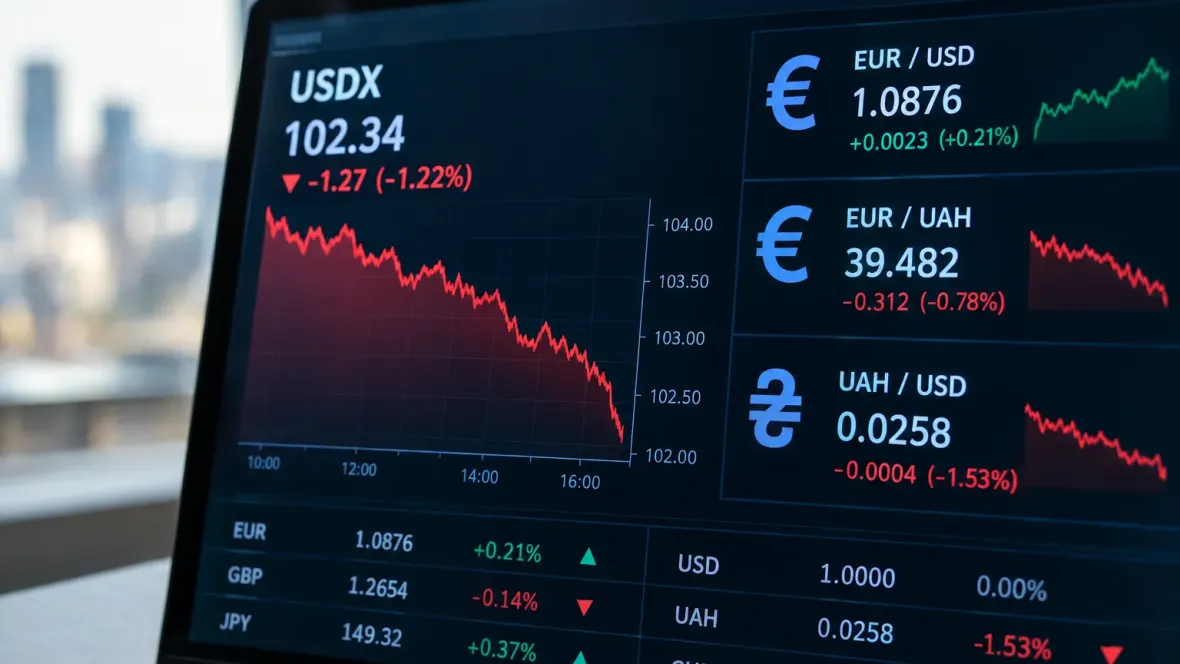
Another factor is expectations about policy from the Federal Reserve System (the Fed). The Fed rate is currently 3.75−4.00%, and two policymakers have advocated hikes; a rise is expected as early as December. The market has largely priced in those expectations: the dollar index USDX rose by about 4.5% over six weeks to nearly 102.9, so investors may begin taking profits, putting additional downward pressure on the US currency.
The euro could recoup losses
If the dollar weakens, the euro has a chance to recover because it carries the largest weight in the USDX and reacts to shifts in the US currency’s position. At the end of October the EUR/USD pair was near 1.1160, while the 2026 low was 1.1104, creating conditions for a euro rebound if the dollar falls.
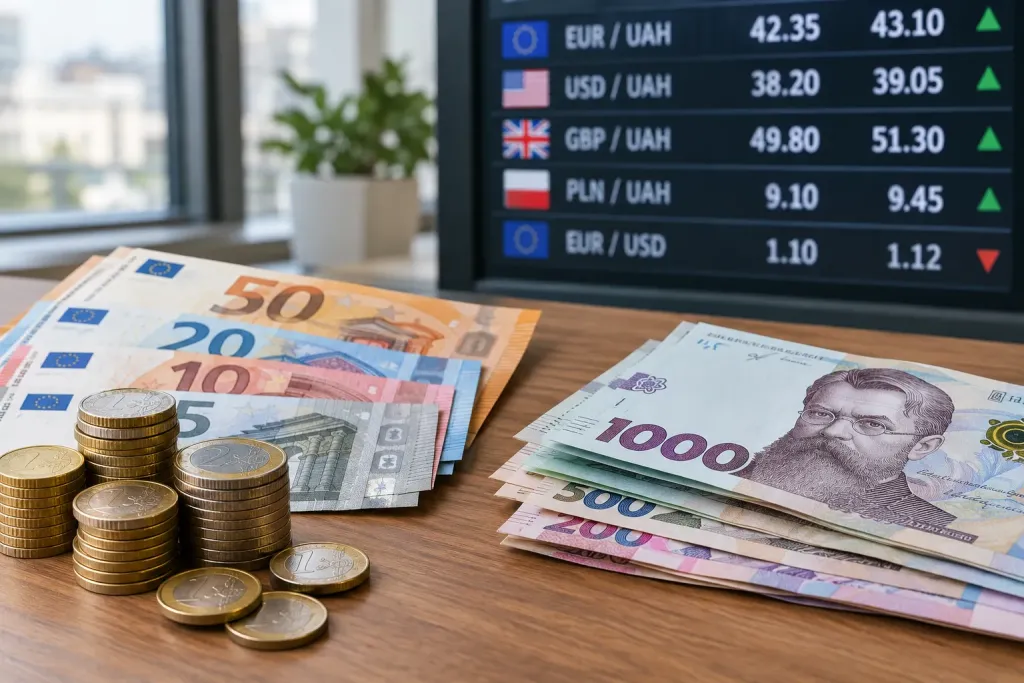
The euro could also be supported by policy from the European Central Bank (ECB): the market expected the rate to remain around 2.65%, but also discussed the possibility of a hike. A further factor is falling oil prices, which reduce inflationary pressure.
How this could affect the hryvnia
A weaker dollar on international markets could give the National Bank of Ukraine (NBU) more room to restrain the US currency’s exchange rate while allowing the euro to rise. A currency deficit — when imports exceed exports — remains a significant factor for the market.
In October the cash dollar rose by 2.3% to 46.04 hryvnia. On 27 October the rate in exchange offices reached 46.20 hryvnia, while on the interbank market it stood at 45.70−45.75 hryvnia. To support the market the National Bank of Ukraine (NBU) sold more than $6 billion during the month, and interventions in the last week of October totalled $1.818 billion.
According to the State Customs Service, in January–August 2026 Ukraine imported goods worth $66.3 billion and exported $26.6 billion, a difference of almost $39.7 billion. Export receipts are held back by problems with ports, logistics and the operation of some industrial enterprises, while the country needs imported fuel, equipment and machinery.
In October the average daily shortfall of currency on the interbank and cash markets combined was about $231.6 million. Currency interventions help to dampen exchange rate volatility but do not eliminate the structural imbalance between imports and exports. Prospects for international aid could support the financial system; however, newly elected US congress members will not take office until January, so changes in American politics do not mean immediate inflows of additional assistance.