

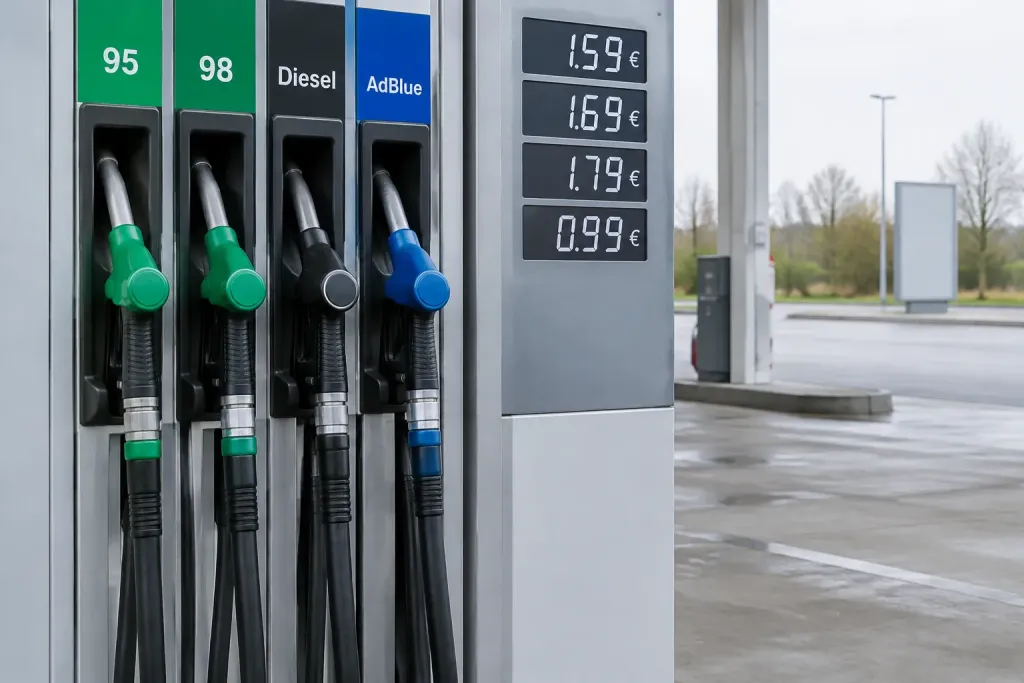
Germany’s Federal Ministry for Economic Affairs has prepared a bill that will allow the government to temporarily set maximum prices for petrol and diesel from 1 January 2027.
Conditions for applying price caps
The mechanism provides for the introduction of price caps only in the event of an “extraordinary increase” in fuel costs. To activate it three key conditions are proposed: a three-week exceedance of price growth rates compared with other EU countries by more than 5 percentage points, the temporariness of the measures and guarantees of supply.
Restrictions can be set for a maximum of three months, and their effect may be suspended if the regulation creates a risk of fuel shortages. Separate caps are foreseen for petrol and diesel, but their specific levels are not yet defined in the draft.
Regional application details and timing
The federal states will have the right to set different price limits taking into account regional costs of transporting and supplying fuel. The government coalition agreed in September to develop a mechanism modelled on Belgium and Luxembourg.
The bill is to take effect on 1 January 2027, when the current state fuel discount expires. Under the draft, the assessment period for price dynamics will begin after the second full week of January, so the actual application of the caps could be no earlier than February 2027.
Status of the bill and government positions
The document is currently at the initial stage of interministerial coordination; after agreement in government it must be considered by parliament. The Ministry for Economic Affairs justifies the temporariness of the mechanism by concerns that overly low caps would make fuel supply economically unviable.
The ministry also noted that excessively strict caps could lead to reduced imports, disruption at oil refineries and shortages of petrol and diesel. Representatives of the Social Democratic Party of Germany criticised the draft because the three-week threshold for price increases could reduce the effectiveness of aid to drivers and businesses.
Price differences and the existing subsidy
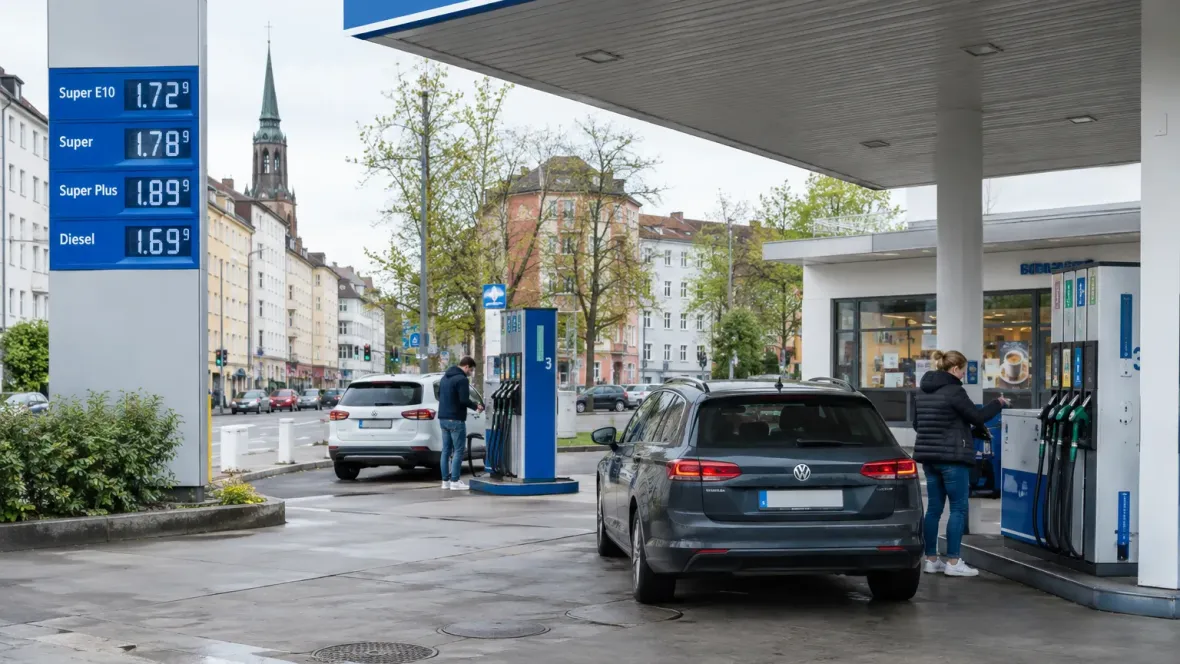
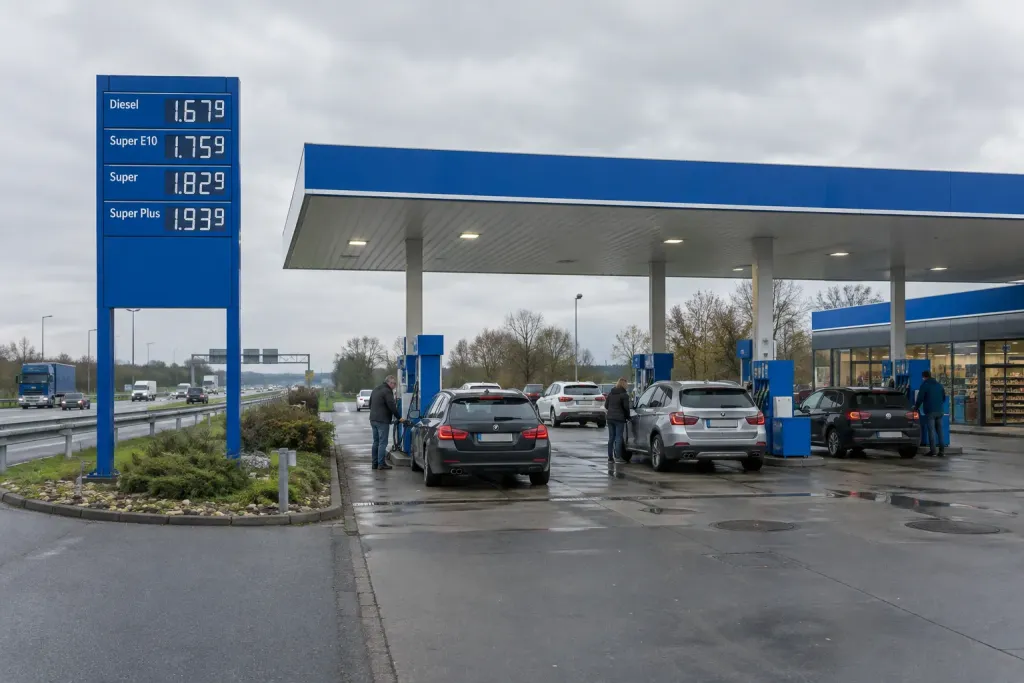
The German automobile club ADAC points out that fuel prices vary significantly by region and by the location of service stations (АЗС), with those on the autobahns on average around 33 euro cents per litre more expensive. In some cases the difference can reach 50 euro cents, and filling a 50-litre tank off the autobahn can save around €16,5 compared with the average price difference.
The government previously introduced a temporary fuel discount of approximately 17 euro cents per litre, which expires at the end of December 2026. The draft is intended to replace broad subsidisation with more targeted intervention in pricing during crisis spikes, and the state will not guarantee permanently low prices if growth rates coincide with those in other EU countries.