

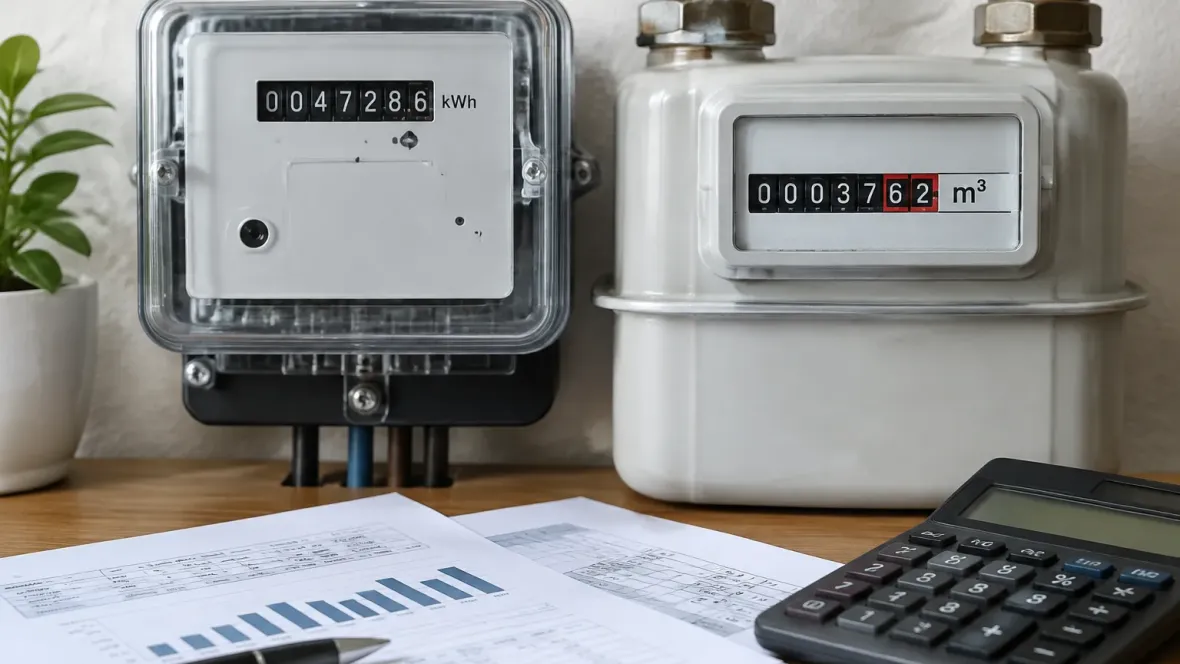
The Ministry of Energy said that recommendations of the International Monetary Fund (IMF) on the gradual increase of tariffs for gas and electricity do not mean an immediate rise — the moratorium on price increases remains in force, and changes to tariff-setting are possible only after the end of martial law.
Moratorium and timetable for tariff changes
The ministry emphasised that the current moratorium on price increases is in effect, and tariffs are not planned to be raised until the end of martial law. The term “moratorium” here means a temporary ban on raising prices, and “tariff-setting” refers to the system for determining prices for energy supplies.
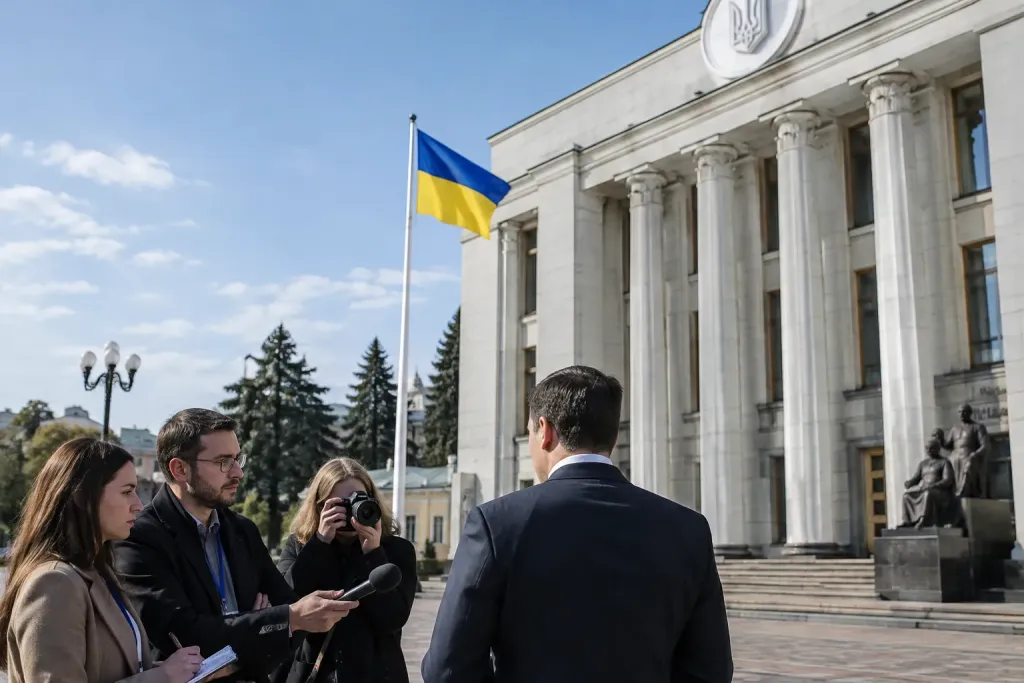
Changes to the tariff-setting system, the ministry said, will be made only after the cancellation or end of martial law. The Ministry of Energy stressed that any parameters of the new rules have not yet been agreed and are not in force.
Targeted social support as the first stage
The Roadmap for reform of the energy sector specifies that the first stage should be targeted social support for households. This means assistance is planned to be directed to specific families before changes to price-setting begin.
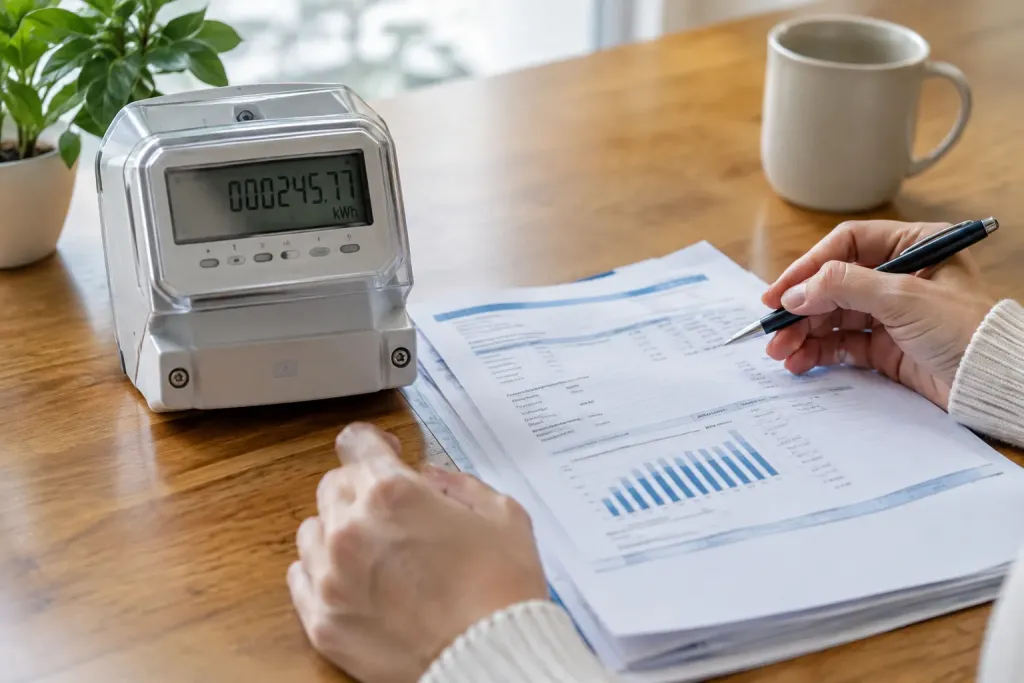
The ministry quoted: “An effective model of support for Ukrainian families first, and only then changes to price-setting,” the ministry said. The IMF technical report, on which scenarios are being prepared, contains analytical calculations rather than obligations for Ukraine.
Objectives of the roadmap and international commitments
According to the plan, the roadmap will also cover restoring the resilience of the energy system after Russian attacks, the recovery of energy markets and improvements to the corporate governance of state energy companies. The document’s development is part of international commitments and integration into the European energy market.
At the IMF, it was noted that Ukraine spends billions of hryvnia each year to restrain prices for gas and electricity for the population and recommends a gradual increase in tariffs; the report considered two scenarios for reforming subsidies.