



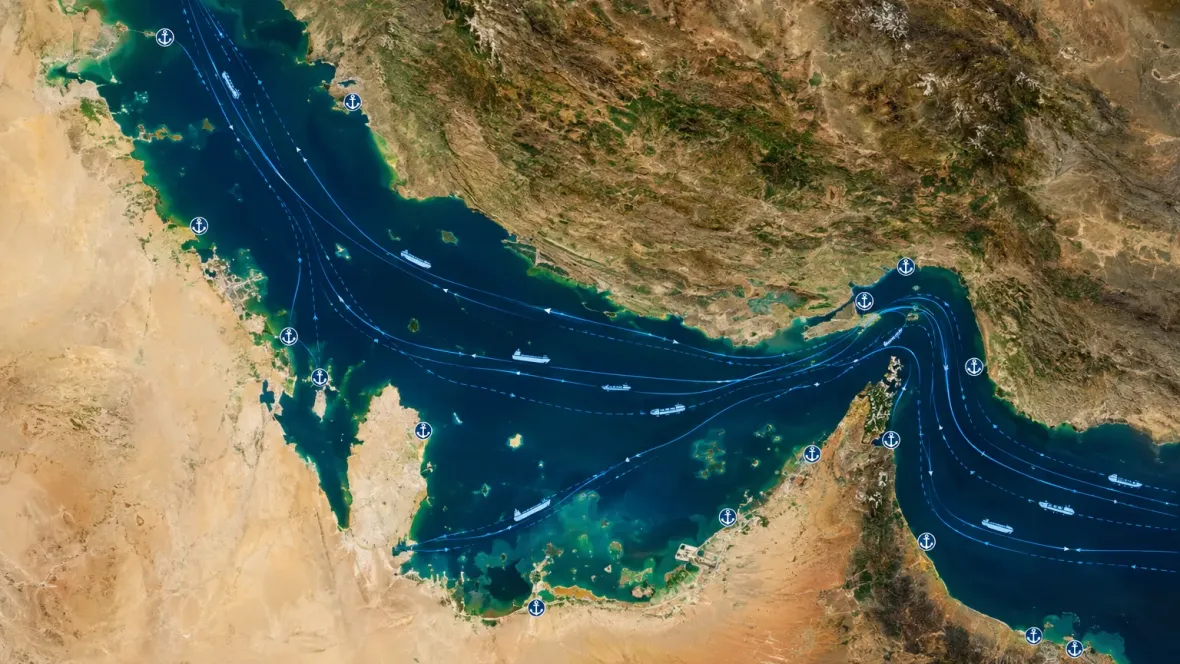
Exports of Iranian oil through a US maritime blockade have fallen to almost zero, said honorary chairman of the consultancy FGE NexantECA, Fereydoun Fesharaki. He also said the risk of new military strikes by the US and Israel against Iran remains high.
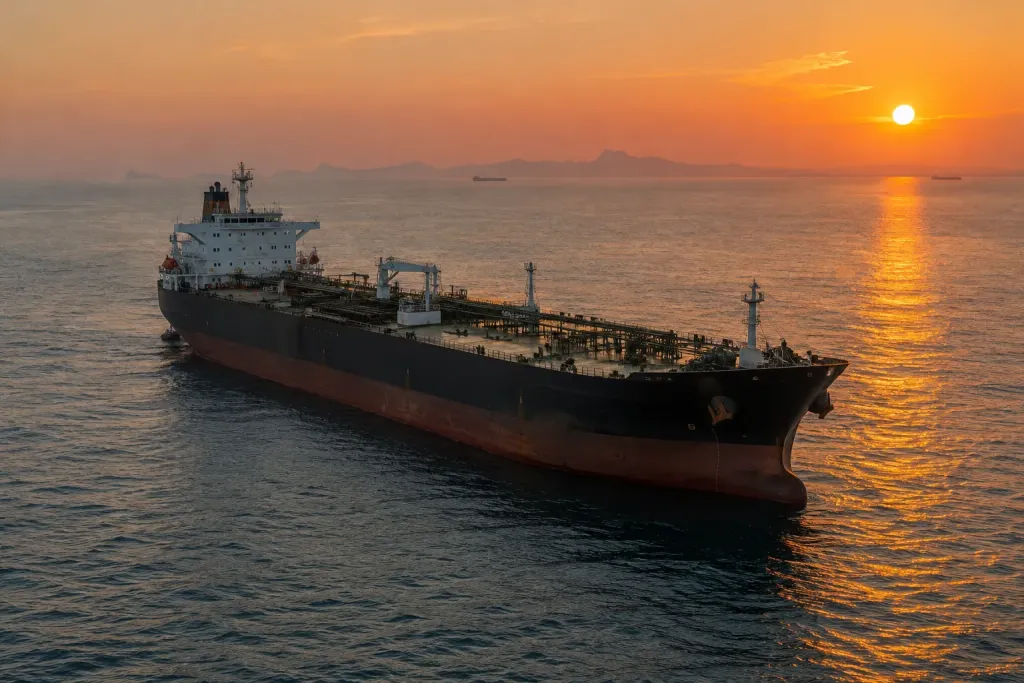
Export volumes fell to around 200−300 thousand barrels per day
The US maritime blockade has effectively stripped Iran of the ability to export oil via traditional routes. Currently only around 200−300 thousand barrels of Iranian oil per day are reaching the world market via Iraq.
Before the start of the war in February, export volumes were much higher, and China was the main buyer, notably independent refineries that purchased Iranian oil at substantial discounts. Tanker-tracking data showed no recorded loadings of Iranian oil onto tankers in September and October; September was the first month since the start of the war without such operations.
The expert warns that Iran could face a particularly acute shortfall in oil revenue by the end of November. In his assessment, if the blockade persists the country will effectively lose this source of foreign-currency income.
Oil prices fluctuated sharply over the past few days
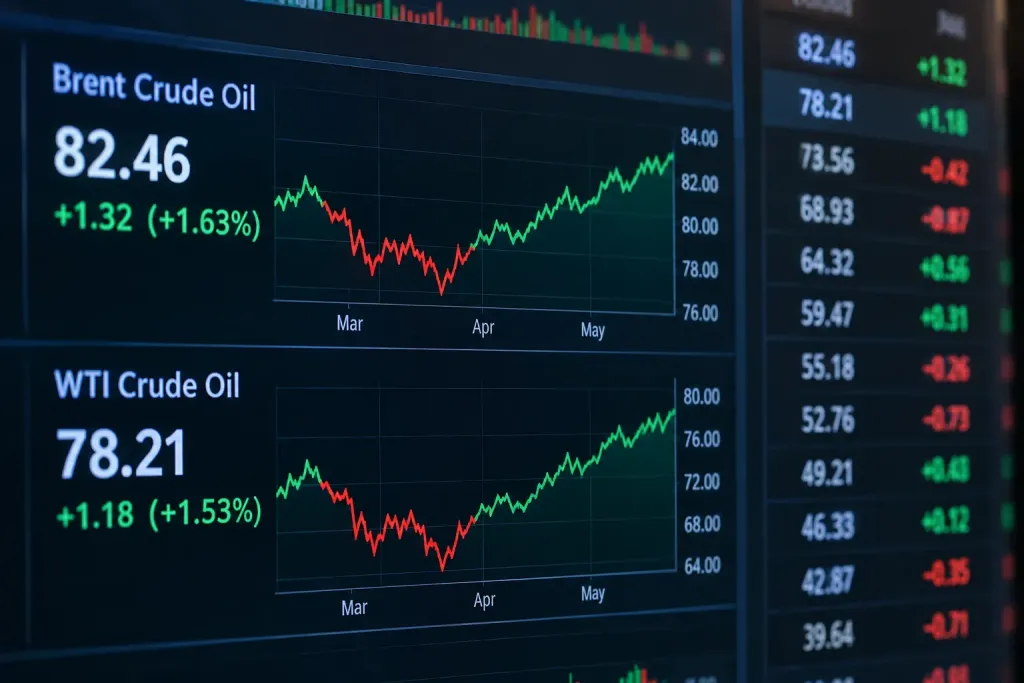
The oil market reacted to news of a possible de-escalation and improved shipping security in the Persian Gulf, triggering sharp swings in prices. On Wednesday, 4 November, amid the Democrats’ victory in the US midterm elections, Brent fell by $8.98 (8.7%) — to $94.62 per barrel, while WTI fell by $7.97 (8.3%) — to $88.12 per barrel.
By 5 November, reports of incidents involving tankers and near the Strait of Hormuz heightened fears of supply disruptions: Brent rose by $3.67 (3.88%) — to $98.29 per barrel, and WTI added $2.40 (2.72%) — to $90.52.
On Friday, 6 November, as of 08:26 Greenwich Mean Time (GMT) Brent traded at $97.55 per barrel (down 0.8% for the day), WTI at $89.79 (down 0.8%).
For the week, Brent was at risk of showing roughly the largest percentage drop since the start of the COVID-19 pandemic — about 16%, while WTI was forecast to fall more than 13% over the week. The market is simultaneously factoring in the prospect of supply restoration in the event of de-escalation and the threat of renewed disruptions from attacks on tankers and the uncertainty surrounding the Strait of Hormuz.