


According to Work.ua, a comparison of September 2025 and September 2026 showed changes in the skill requirements listed in job vacancies; the study covered over 3 500 skills in more than 335 000 job offers.
Rising demand for manufacturing and engineering skills
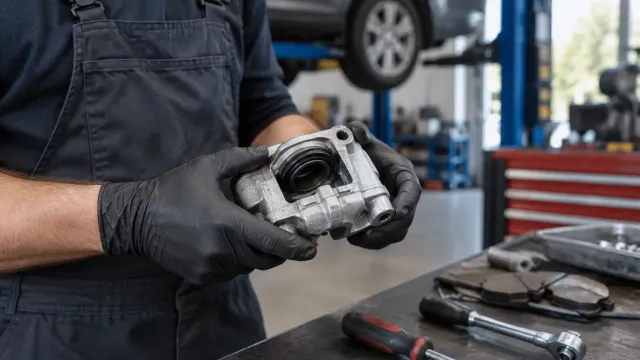
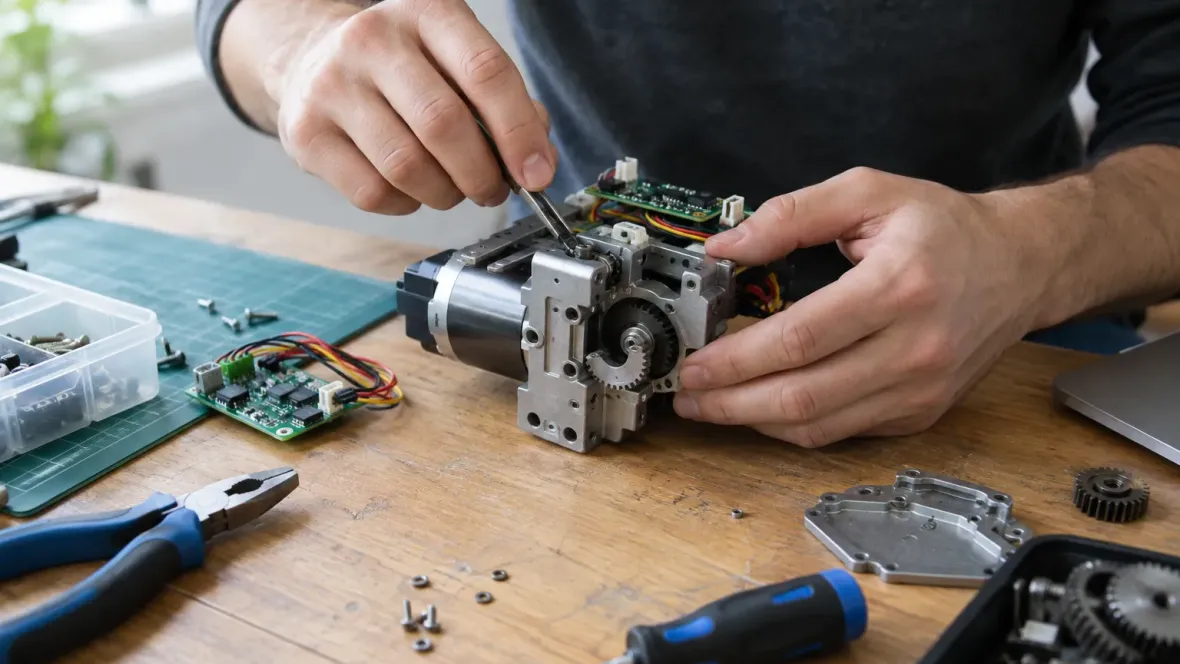
Employers increasingly list skills related to manufacturing, electronics and working with equipment in vacancies. These abilities are mentioned at different stages of the production process: part design, working with technical documentation, fabrication, assembly, inspection and equipment repair.
There is a separate increase in demand for competencies related to creating and operating unmanned aerial vehicles. Demand for technical competencies is also reported in mechanical engineering, instrument making, energy and other sectors.
Cybersecurity and risk analysis rose significantly
Mention of the skill “cybersecurity” in vacancies increased by 161%. Employers more often specify particular tools and technologies for threat detection, network traffic analysis and data protection.
An increase in the number of mentions of a given skill does not necessarily mean it is being required more often within a specific profession: the indicator can be affected by an overall rise in vacancies in sectors where that competence is needed.

Psychological support and occupational therapy are mentioned more often
Vacancies increasingly list competencies related to counselling and psychological support for people. The rise in mentions reflects a growing need for psychological assistance.
The number of mentions of occupational therapy increased by 62%. Occupational therapists help people recovering after injuries, wounds or illnesses to regain the skills necessary for everyday life.
Equipment maintenance, logistics and financial control in job requirements
Employers more often specify skills related to equipment maintenance, power networks and working with technical documentation. At the same time, attention to digital control systems and automation of internal processes is growing.

Demand for logistics skills includes customs clearance, import and inventory management. This is often associated with the restructuring of supply chains due to risks of warehouse damage, transport disruptions and delays in the delivery of equipment and goods.