


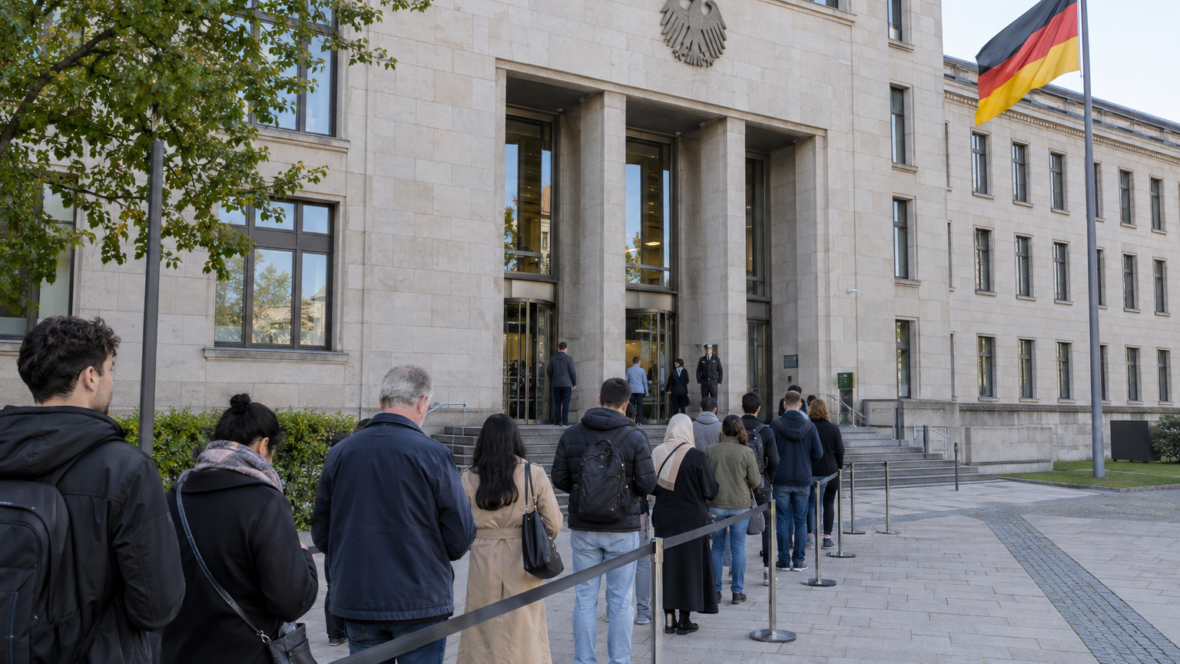
Germany’s Federal Ministry of the Interior announced it will tighten the rules for taking language tests for migrants; the changes were proposed by Minister Alexander Dobrindt. The new rules could take effect on 1 November.
How migrants circumvented the exam rules
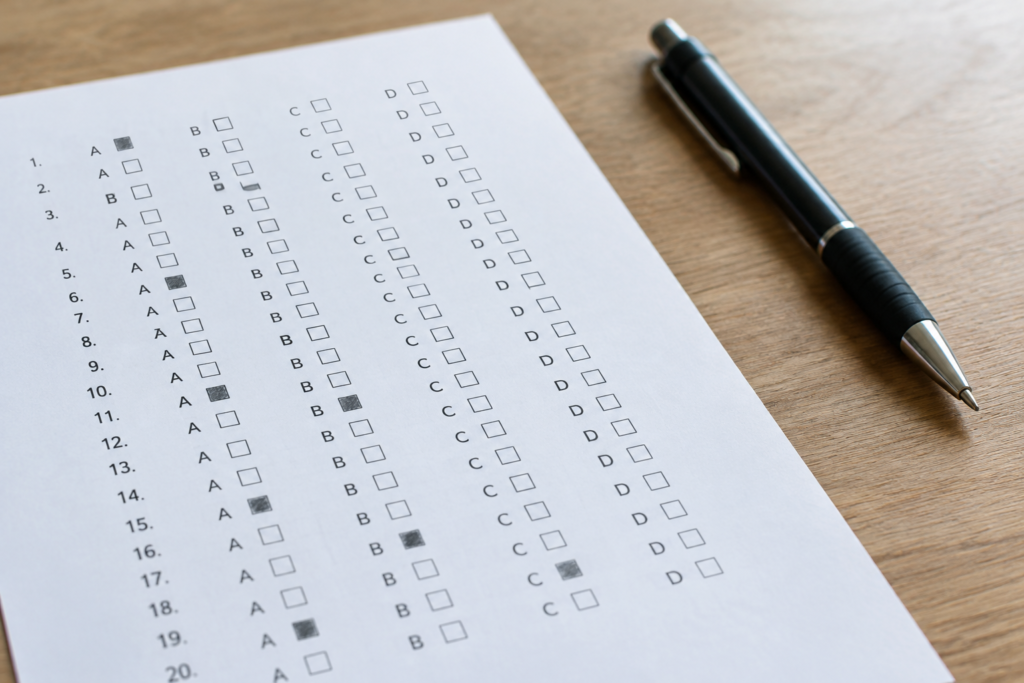
The ministry reported an increase in cases of fraud during the exams: participants in integration courses bought written tasks and answers online and used them during the listening and reading part of the test. In the listening and reading section, candidates must complete 45 tasks by choosing the correct answers.
Another part of the exam is a written task, which participants often left blank. Nevertheless, some candidates passed the exam if they did well in the first section and demonstrated a B1 level during the oral part.

Changes in assessment and protection against fraud
Under the new rules, the exam will not be deemed passed if even one of its parts is marked unsatisfactory. The ministry says the changes are intended to increase the exams’ protection against fraud.
The ministry also emphasises the importance of writing skills for migrants’ integration and makes the written section mandatory for a positive result.
Test results and coverage
Last year, 318 550 migrants took the German language exam; it is usually the final stage of an integration course. The test assesses four skills: listening, reading, writing and speaking; the tasks are based on everyday situations.
As a result of the testing, 45% of participants failed to demonstrate German at the B1 level. The issue is important for Ukrainian citizens who work or plan to work in Germany because of possible consequences for employment and money transfers.