



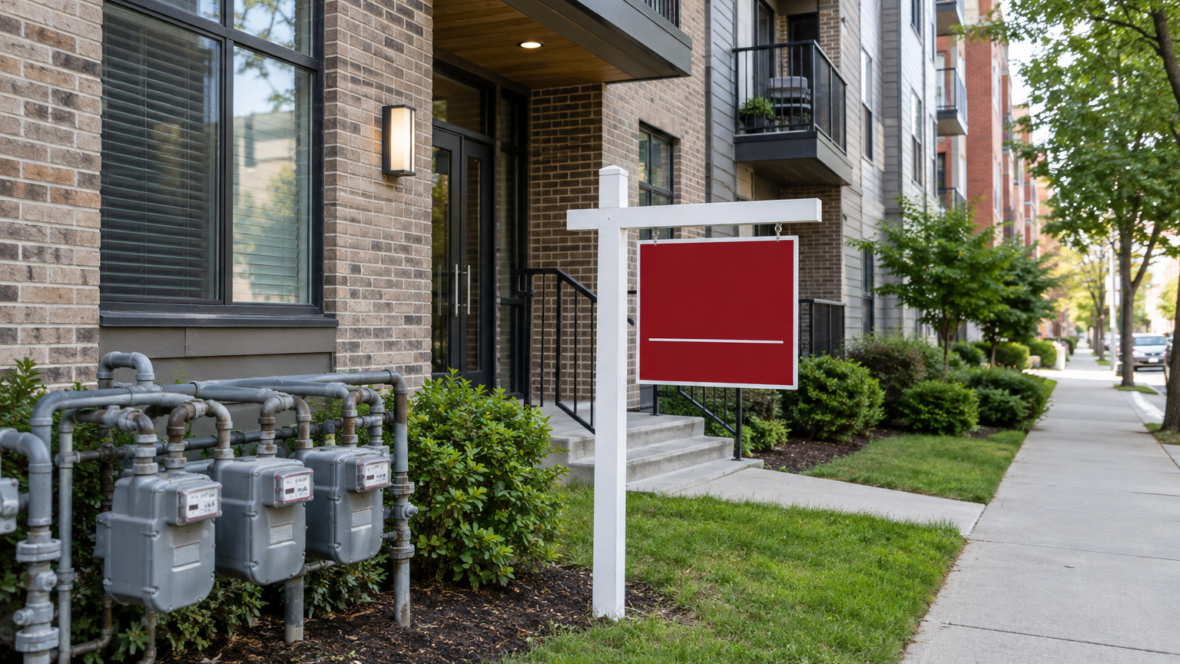
After purchasing an apartment the new owner may discover outstanding utility bills accumulated by the previous occupant — this was explained by the Asotsiatsiia platnykiv podatkiv Ukrainy. The article clarifies when the debt remains the responsibility of the former consumer and under what conditions it may be transferred to the buyer.
Legal liability for debts
Under Articles 509, 510, 520 and 521 of the Civil Code of Ukraine (CCU) a monetary obligation must be fulfilled by the debtor. A debt may be transferred to another person with the creditor’s consent, unless otherwise provided by law.
The mere fact of buying an apartment does not make the new owner liable for the previous owner’s debts: the person to whom the services were provided at the time the debt arose is the one required to pay.
When the buyer can assume another person’s debt
The parties to a sale contract may agree that the buyer will compensate any existing debt or factor its amount into the price of the apartment. Such an agreement between the seller and buyer does not, by itself, transfer the debt to the service provider.
As a general rule, transferring a debt with respect to a service provider requires the creditor’s consent, unless a special law provides otherwise.

Case law on old debts
In cases No. 201\/11406\/20 and No. 201\/1807\/21 the Supreme Court stated that the new owner is not obliged to pay the previous owner’s debts if they have not assumed such an obligation and the sale contract does not provide for the debt to be transferred.
The court also emphasised that contracts for the provision of communal services do not encumber the real estate, so the service provider may be required to remove from the new owner’s personal account any debts that were charged to the previous consumer.
Termination of services and protection of the owner’s rights
The suspension or limitation of utility services is governed by special laws and the terms of contracts with suppliers. If the new owner pays current bills and has no personal debt, applying sanctions to them solely because of the previous owner’s arrears would contradict the general rules of civil law.
In case of a dispute the owner can demand in writing that the service provider remedy the violation and, if necessary, challenge the supplier’s actions in court.