


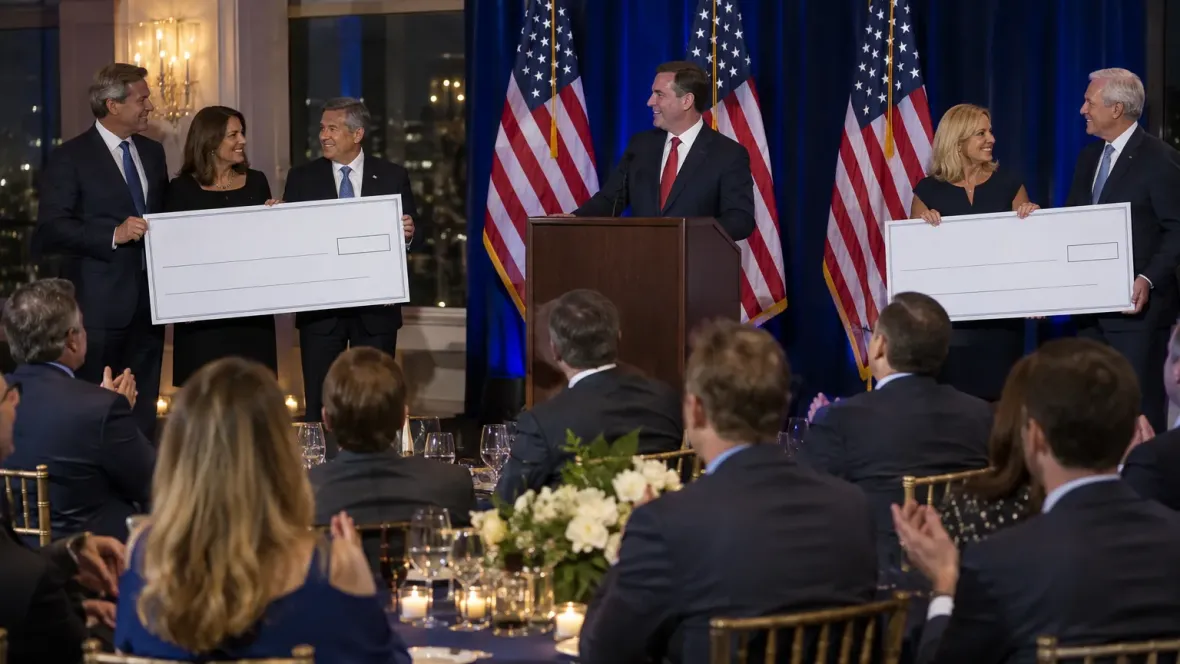
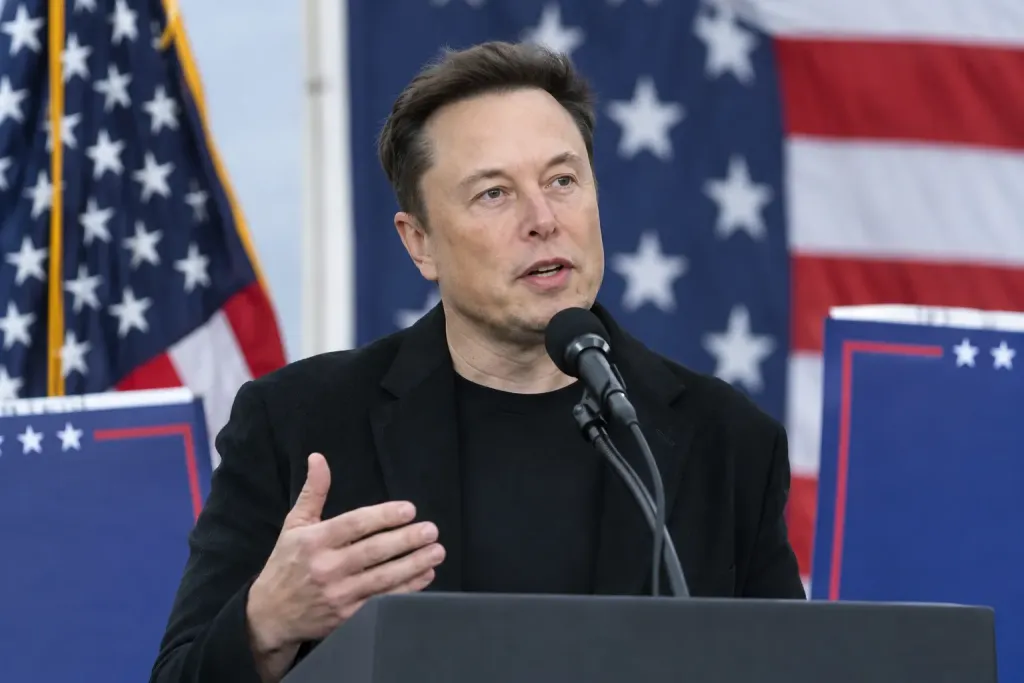
Analytical firm AdImpact estimates that the 50 largest donors directed $2.77 billion to the US congressional midterm elections; the largest individual sponsor was Elon Musk, who contributed $446 million to organisations supporting the Republican Party.
Distribution of donations between Republicans and Democrats
Of the total $2.77 billion, about $1.67 billion, or roughly 60%, went to political groups affiliated with the Republican Party. Donors backing the Democrats directed $832 million, which represents about 30% of the total.
A further $264 million came from bipartisan donors and groups representing particular interests, including the cryptocurrency industry and sports betting. AdImpact also forecasts that spending on political advertising alone in the 2026 cycle could reach $11.6 billion.
Top individual donors of the cycle
The largest individual donor was Elon Musk, who gave $446 million to organisations supporting Republicans. In second place were Elizabeth and Richard Uihlein with a contribution of $150 million, and third were Jeff and Janine Yass with $110 million.
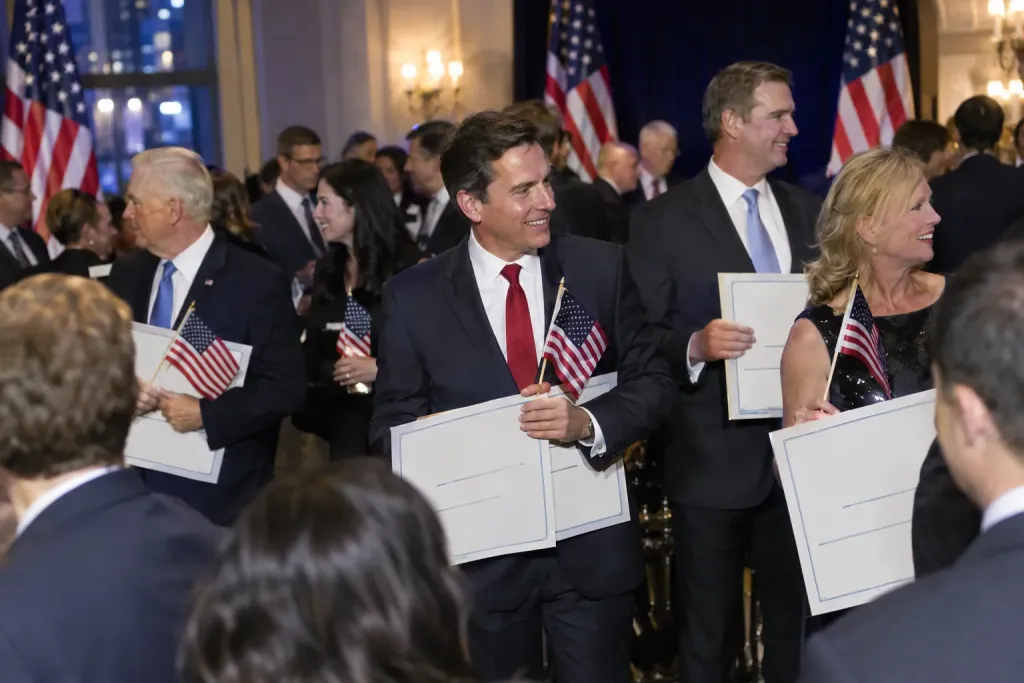
Among the biggest donors to Democratic organisations were George Soros with a donation of $102 million and Michael Bloomberg with $84 million. LinkedIn co‑founder Reid Hoffman and his wife Michelle Yee allocated $41 million.
Political organisations, companies and the financing mechanism
Large sums also flow through political organisations: One Nation gave $133 million, American Action Network — $64.3 million, American Prosperity Alliance — $50.7 million. Among groups supporting Democrats, the largest contributions came from Majority Forward ($102 million) and House Majority Forward ($93.7 million).
Cryptocurrency companies also took part in funding: Coinbase donated $57.8 million, Ripple — $49.6 million, and Foris DAX, associated with the Crypto.com platform, — $39 million. Direct donations to candidates in the US are limited to $3,500 per election, but Super PACs can spend unlimited amounts on advertising without direct coordination with campaign teams.
Some funding comes through non‑profit organisations that are not required to disclose their donors, making it difficult to determine the full origin of the money. Harvard Law School professor Lawrence Lessig emphasises: “the central problem of the American electoral system is not the overall volume of spending, but the concentration of financial influence in the hands of a small number of extremely wealthy people.”
For Ukrainian exporters and the capital market, large cash flows into American elections can influence the dollar exchange rate and the volatility of global financial markets, which is reflected in prices and trading conditions.