

What the defence budget shortfall revealed
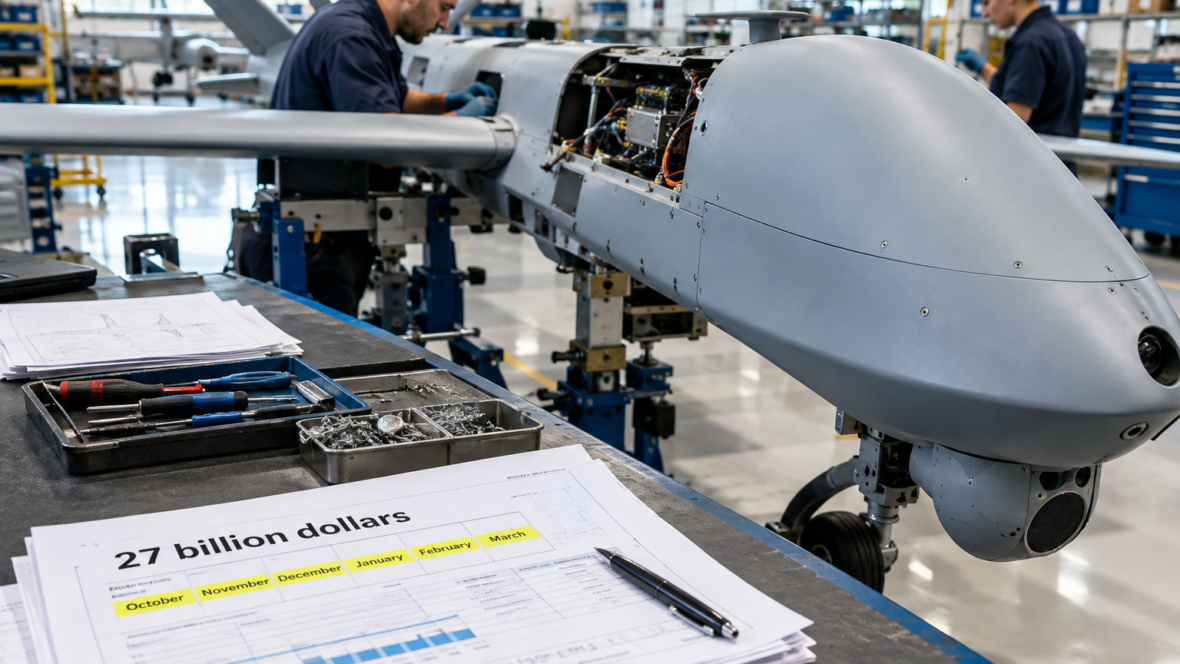
President Zelensky emphasised the risk posed by a defence budget shortfall of 27 billion dollars. He said these funds are needed not only partly for the cash payments to the armed forces but mainly for the purchase of drones, missiles and overall military provisioning.
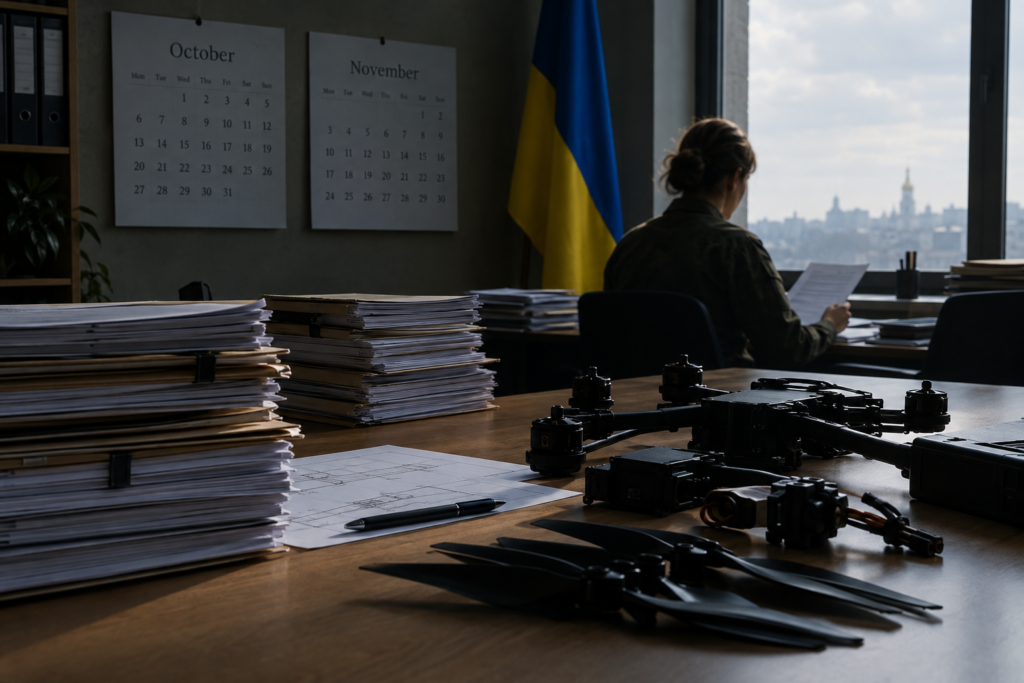
The key problem is the timing of payments. Some orders and payments fall in October, November and December. At the same time roughly a third of the sum, or perhaps slightly more, is allocated to January, February and March specifically for the purchase of drones.
| before | after |
|---|---|
| A shortfall of 27 billion dollars | The need to cover it to ensure drones, missiles and cash payments |
| Key months for financing | October, November, December and a separate portion for January, February, March |
| Consequences of late payments | If orders and payments do not occur in October and November, there will be serious challenges in January and February |
| International contacts | Talks with the European Commission and the International Monetary Fund (IMF); a request to the European Union (EU) to bring forward the second tranche of 90 billion dollars |
Who the shortfall affects and when action is needed
First and foremost this concerns service personnel, because part of the funds go to their cash payments. At the same time production and delivery of drones depend directly on orders and advance payments in the coming months.
October and November are decisive. The president warned directly that if drones are not ordered and paid for in October and November, there will be serious problems with supply and provisioning in January and February.
What the authorities are asking of international partners
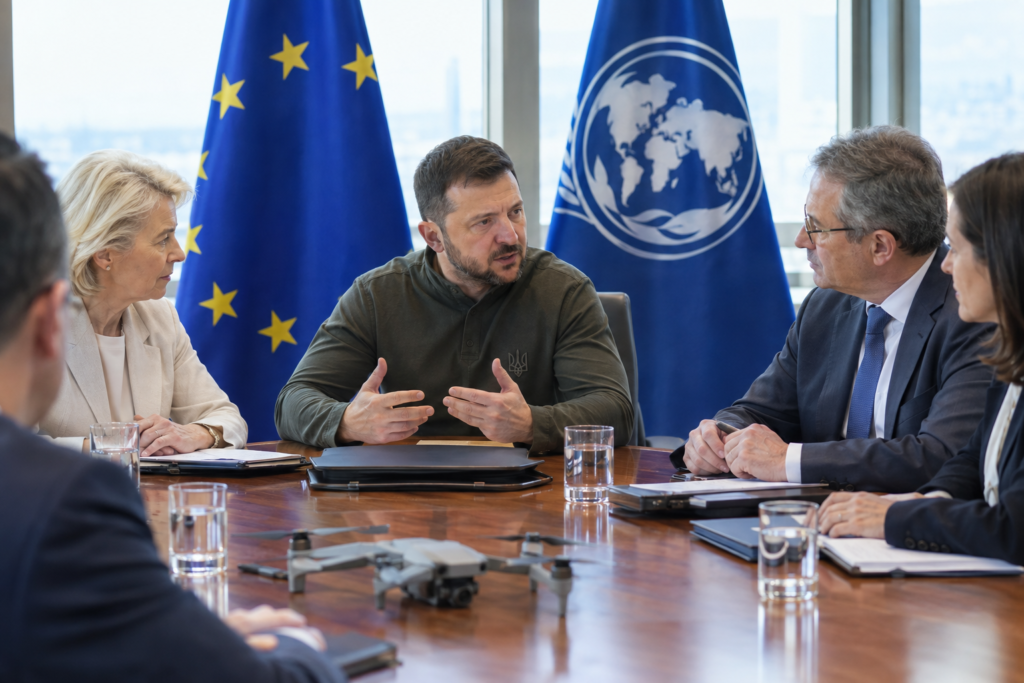
Zelensky says he personally discussed the issue with the European Commission and its president Ursula von der Leyen, as well as with the International Monetary Fund (IMF). He is asking the European Commission to bring forward the second tranche of 90 billion dollars to ensure purchases at the start of the year.
At the same time the president noted that the IMF has no involvement in military provisioning and drones — that is a separate matter. Thus the key external support currently expected is a decision by the European Commission to move or accelerate the tranche.