


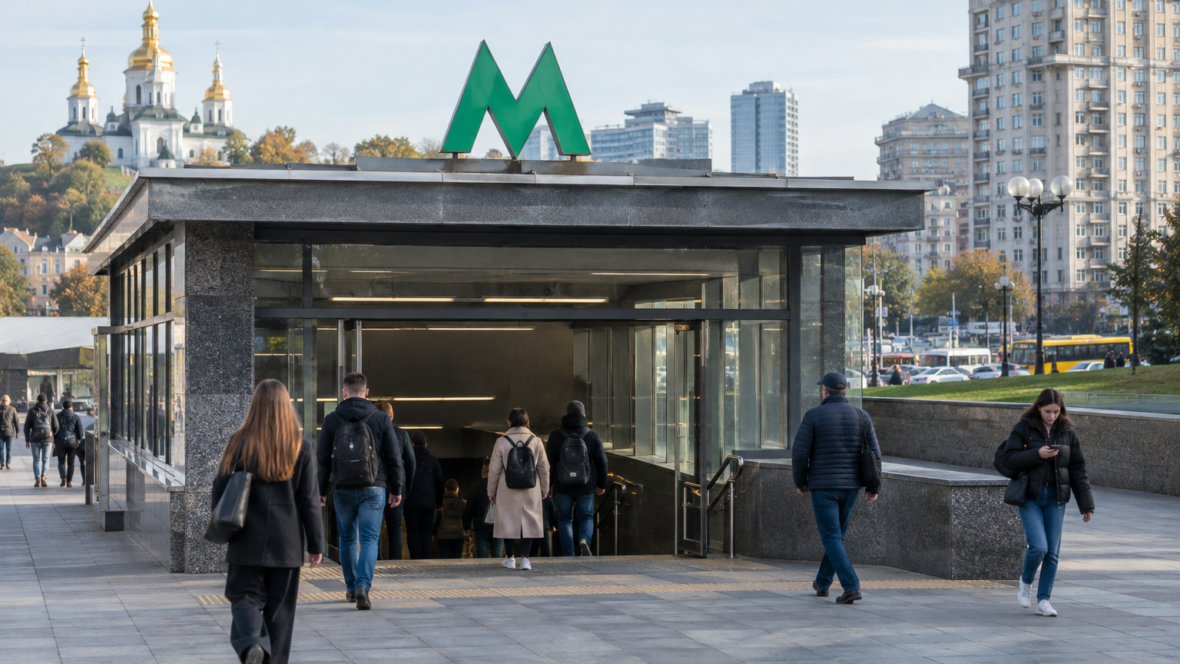
The Kyiv metro ranked 14th out of 18 in the global subway ranking compiled by CNN Travel. The ranking was evaluated according to engineering approaches and the role of metros in city life.
Top-ranked systems and key characteristics
In first place was the London Underground, which began operating in January 1863 with steam trains. The system now comprises 11 lines and 272 stations with a total network length of about 400 kilometres and extends beyond the city into neighbouring counties.
Second place went to Beijing’s metro: the first section opened on 1 October 1969; the network now has 27 lines and 490 stations with a total length of just over 900 km, and six lines are fully automated. Third place went to the Copenhagen Metro, which opened in 2002; all trains there are automated and the system operates 24 hours a day.
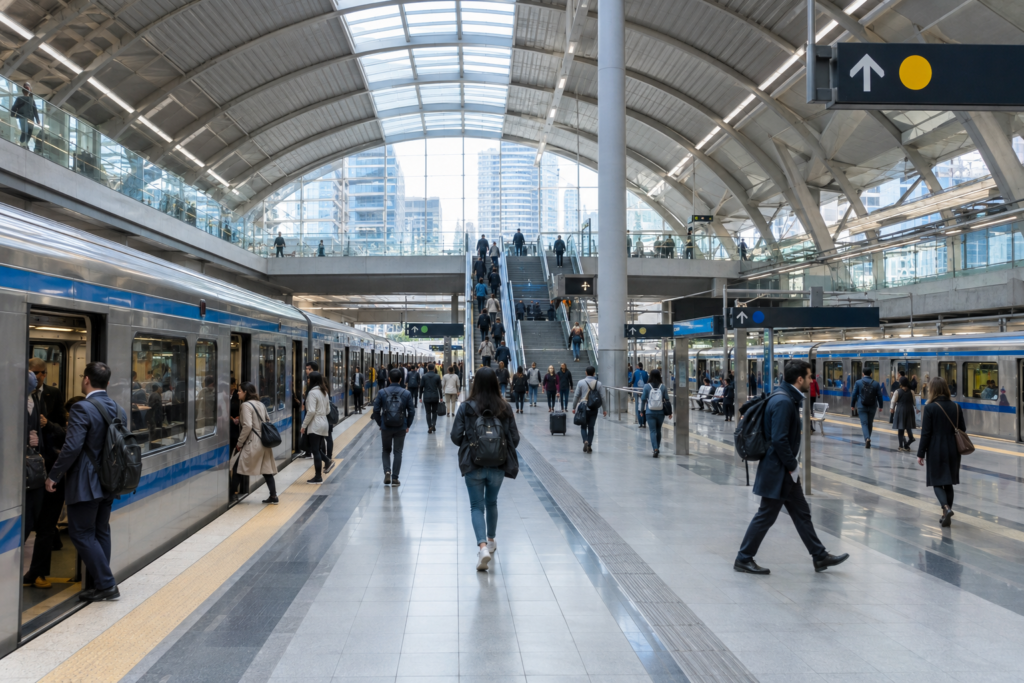
Fourth place is the Paris Métro, opened in July 1900; the system is known for its architectural canopies and diverse station design styles, although some lines still use old trains with manually operated doors. Tokyo’s subway is fifth: the city’s network includes around 100 railway lines and two separate metro systems, with clear multilingual signage and high train frequency.
Also mentioned in the list were: Seoul, New York, Mexico City, Singapore, Berlin, Moscow, Glasgow, Shanghai, Kyiv, Chicago “L”, Delhi, Hong Kong, Budapest.
About the Kyiv metro
The idea of building an underground railway in Kyiv appeared in November 1884; the first line opened in November 1960. Today the system has 3 lines and 52 stations with a total length of almost 70 kilometres.

For a long time the “Arsenalna” station was considered the deepest in the world at a depth of 105.5 metres, but in 2022 that title passed to a station in Chongqing. At present Kyiv’s metro serves a dual role: transporting passengers and, simultaneously, acting as a shelter during the ongoing Russian shelling.