


Dragon Capital has updated its macro forecast and warns of a recession
Investment firm Dragon Capital forecasts a fall in Ukraine’s real GDP of 0.5% in 2026 and a further 1% in 2027. Previously analysts expected growth of 1.5% and 0.5% respectively, so this represents a sharp revision of expectations for the economy’s recovery.
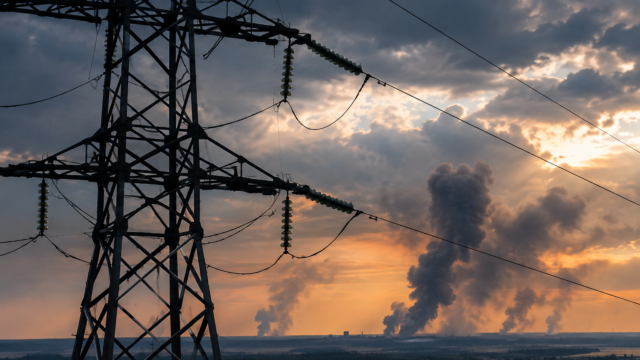
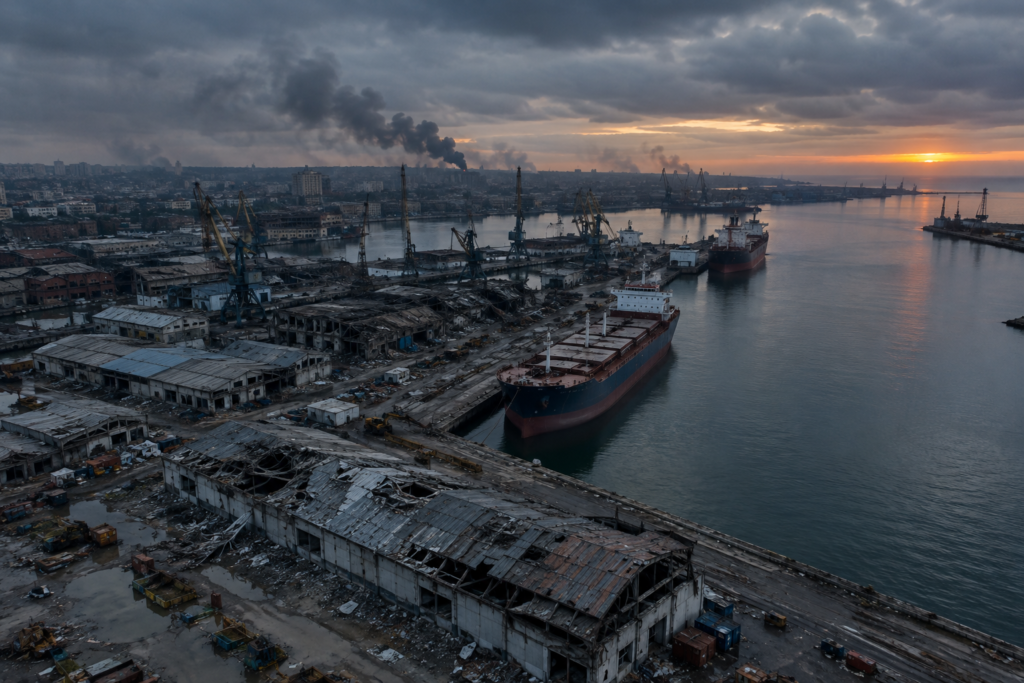
The revision is attributed to intensified Russian attacks that have halted parts of industrial production, blocked Black Sea ports and damaged energy and civilian infrastructure. Dragon Capital’s estimates paint a picture of an economy facing a new wave of losses.
Factors slowing industrial recovery and exports
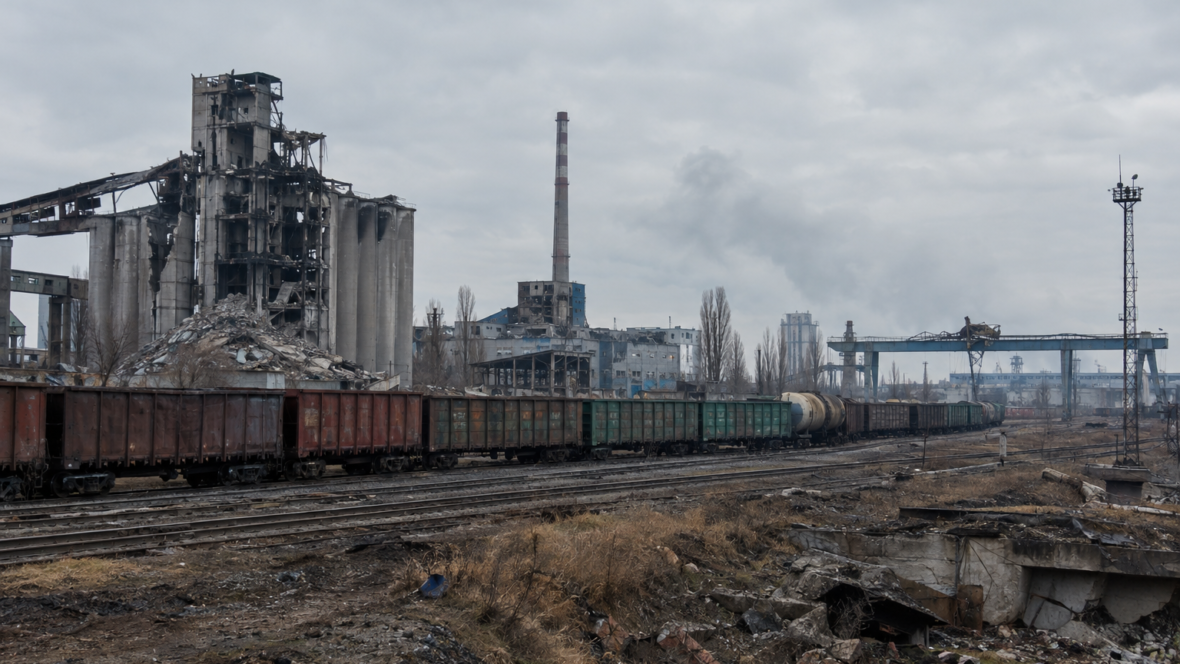
Key sectors have lost production capacity because strikes have become more frequent since July. Freight movement through Black Sea ports has effectively stopped, and metallurgical plants have suspended production due to ballistic missile strikes and the risk of repeat attacks. Damage to warehouses, logistics hubs and rail rolling stock complicates delivery of goods both to the domestic market and abroad.
Analysts suggest that sea grain exports could resume next year under a separate arrangement similar to the 2022–2023 grain corridor, but they regard a wider ceasefire that would also protect energy facilities as unlikely. Because of the risk of new strikes, metallurgy may not return to full operation even after damaged equipment is repaired.

Inflation will rise and the trade deficit will be record-high
Dragon Capital raised its year‑end inflation forecast to 10% and expects inflation of 8% by the end of 2027. Destruction of production capacity and inventory will push businesses to raise prices even if households’ purchasing power weakens. Here, inflation means a persistent rise in the general price level that reduces real household incomes.
Because of reduced exports of grain, steel and iron ore and increased imports of energy equipment, the trade deficit in 2026 may reach $71 billion, which is 31% of GDP. The trade deficit is the excess of import value over export value. This is $6.5 billion more than Dragon Capital previously forecast, and analysts expect the deficit to remain close to this level in 2027.
Additional external financing and risks to the budget
Dragon Capital estimates that Ukraine will need additional external budget financing of $30–35 billion for 2027. Current international support programmes foresee about $20 billion of budget financing for next year, so there is a gap that must be closed to ensure spending.
Tax revenues could fall by $4–5 billion because of the economic downturn. The situation is made worse by slow arrival of already promised funds: by the end of September Ukraine had received $22 billion of roughly $50 billion of available external concessional and grant financing to cover the budget deficit. Because of this the government has had to limit non‑critical spending and delay reimbursement of value added tax (VAT) to exporters.
Analysts expect that international partners, primarily the European Union (EU), will be able to provide additional financing for both budgetary and defence needs, which would help preserve macro‑financial stability and the exchange rate. At the same time, delays in Ukraine meeting its obligations to partners create risks for that scenario.
As we wrote, the European Bank for Reconstruction and Development (EBRD) downgraded its forecast for Ukraine: GDP in 2026 will grow by only 1.5%.