



The global diesel market will remain in deficit for a significant part of 2027. This is stated in the October report of the International Energy Agency (IEA).
Reduced exports and drawing on reserves
In September, combined diesel exports from Russia and Middle Eastern countries fell by 1.3 million barrels per day compared with previous levels. Increases in supplies from other regions only partially offset those losses.
Overall, global diesel exports in September were roughly 700,000 barrels per day lower than a year earlier. Prolonged disruptions forced countries to draw down stocks ahead of autumn maintenance at oil refineries and peak winter demand; the report warns that further depletion of reserves raises the risk of price shocks.
Record refining margins and economic impact
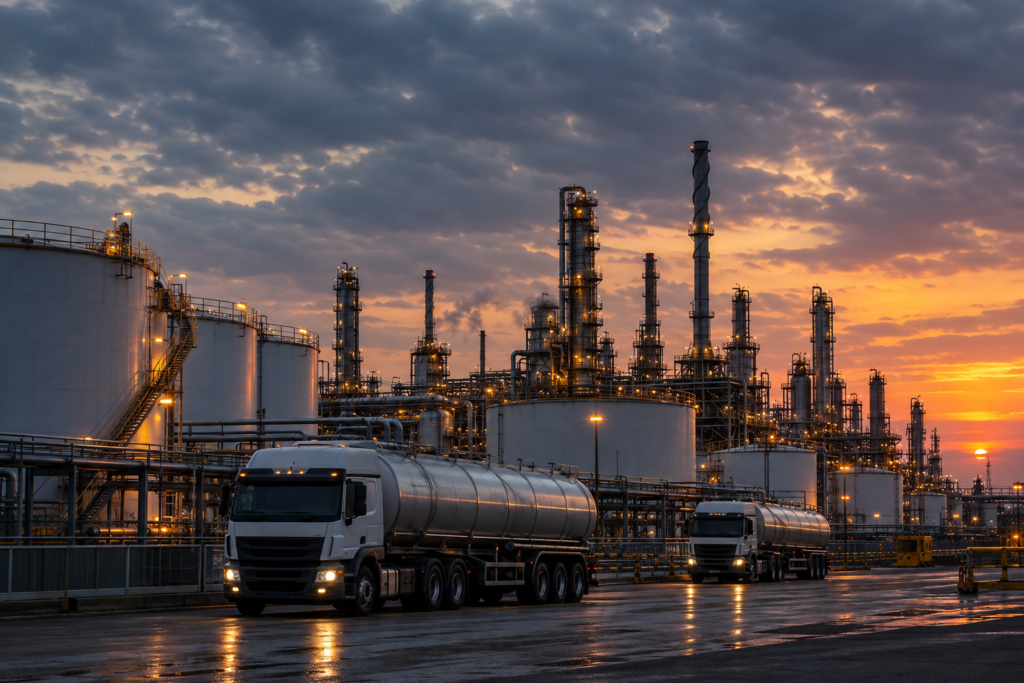
In September the diesel refining margin rose to nearly a record $95 per barrel as limited refinery capacity constrained output. This intensified price pressure on the fuel market.
The high cost of diesel is already being built into logistics and goods prices, reducing real household incomes and adding to inflationary pressures. The report projects that refinery utilisation will begin to rise by late 2026 and partly restore stocks, but full replenishment of depleted reserves is unlikely before the second half of 2027.

Demand and supply forecasts for 2026–2027
The IEA forecasts that world oil demand will fall by 2.6 million barrels per day in 2026, with a quarter of that decline accounted for by diesel fuel. Global oil supply is expected to shrink by 5.8 million barrels per day over the year.
At the same time, supply could rise by 7.7 million barrels per day in 2027, which could return the market to a surplus, although local diesel shortages may persist. Member countries of the agency are coordinating stock releases; in October the agency urged participants to accelerate the fulfilment of their release commitments and to assess the need for additional volumes, especially diesel fuel.