



Ukrainian companies named 2026 the most difficult year of the full-scale war, according to a study by Gradus.
Companies continue to invest, but change strategies
Despite heightened risks, businesses are seeking ways to grow but are avoiding large one-off investments. Instead, they increasingly opt for phased investments, stretch project implementation over time and prepare initiatives for launch under more favourable conditions.
Long-term goals remain, but operational plans are reviewed monthly, and sometimes weekly. Scenario planning, including preparation for worst-case scenarios, has become a routine management practice.

Attacks on infrastructure and their impact on supply chains
In 2026 attacks on economic infrastructure in the rear intensified: warehouses, logistics centres, energy facilities and communications networks. The consequences of these attacks affect entire supply chains, even if individual companies were not directly hit.
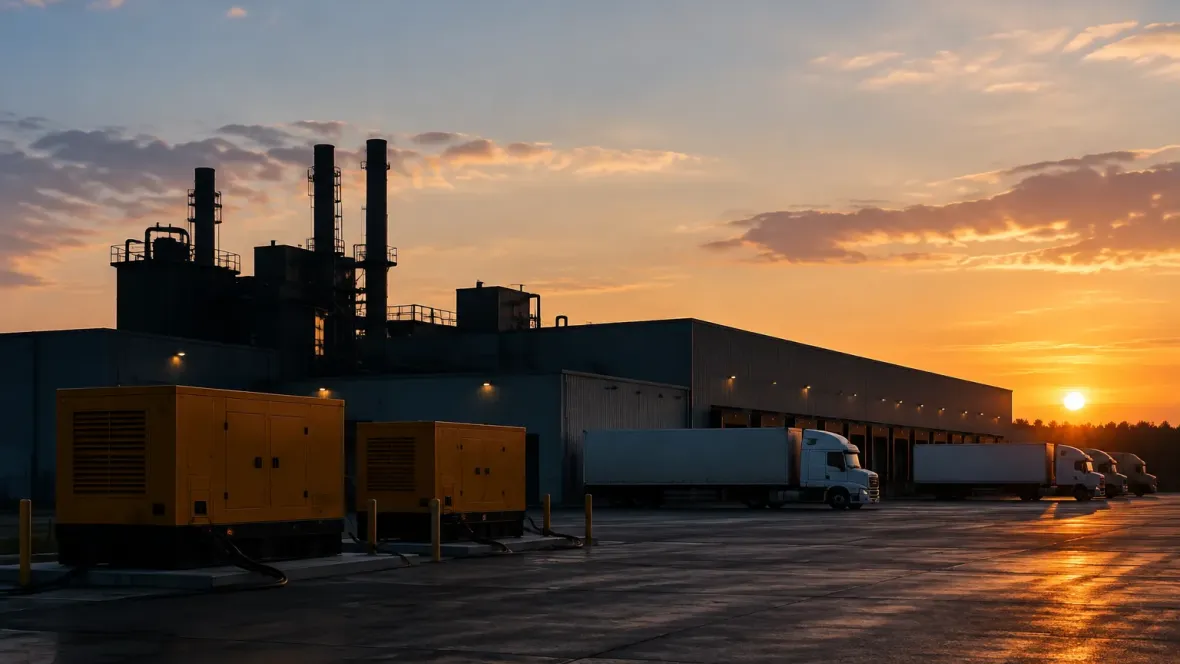
To reduce risks, businesses are willing to pay more for resilience: they distribute assets across multiple locations, duplicate critical functions, build reserves and invest in independent power supply and backup communications.

Labour shortage and barriers to accessing finance
For many companies the main constraint on growth has become a shortage of staff: there is a lack of strong middle managers, engineers and skilled workers. Vacancies remain open for months even with competitive salaries, and teams have accumulated psychological exhaustion.
Companies are investing in psychological support, training, flexible working conditions and are changing management models in favour of greater team autonomy. Businesses also point to the lack of effective mechanisms for compensating war losses, limited access to credit, insufficient insurance against war risks and unpredictable regulatory decisions.
Specific practices for maintaining resilience
The study lists measures companies are already using to maintain operations and foster growth:
- keep salaries and jobs for mobilised employees, provide psychological support and introduce flexible schedules;
- invest in training programmes and reduce the number of subordinates per manager;
- distribute warehouses, servers and production capacity across locations, build stocks of raw materials and spare parts, and invest in their own power supply and backup communications;
- when relocating, they try to move together with employees;
- split projects into multiple stages, prepare initiatives for rapid launch or sell projects to other investors;
- enter external markets, develop new segments, take part in public procurement and sell surplus products to other market participants.
Participants in the study envisage two scenarios for 2027−2030: continuation of the war with a further contraction of the economy, or its end with the prospect of large-scale reconstruction and investment. Companies are preparing for both scenarios by preserving teams, expertise and portfolios of future projects.