


According to the National Bank of Ukraine (NBU), the regulator has raised the key policy rate for the third consecutive time to 16.5% per annum and plans to keep it at that level until the second quarter of 2027. Former Minister of Economy Bohdan Danylyshyn explained how this could affect savings, lending, government borrowing and the foreign‑exchange market.
Updated GDP and inflation forecasts
The regulator revised its macroeconomic forecast: in the third quarter of 2026 real GDP contracted by 0.5% year on year, and now a decline of 0.4% is expected by the end of the year instead of the previous forecast of 1.8% growth. The inflation forecast was raised from 10% to 12.5% for the year as a whole; in September consumer prices were 10% higher than a year earlier.
The regulator cites Russian attacks on production facilities, disrupted logistics and reduced output in particular sectors, notably metallurgy and mining, as factors behind lower economic activity. According to Bohdan Danylyshyn, the ability of the key policy rate to restrain cost‑push inflation is limited: monetary tools do not address the direct causes of higher prices for raw materials, energy and transport.
Impact on lending and domestic government bonds
Danylyshyn notes that a higher key policy rate may raise the cost of market lending, affecting companies that take bank loans for working capital, raw‑material purchases and expansion. Higher borrowing costs may also affect demand and inflation expectations, but they do not restore damaged production capacity or logistics.
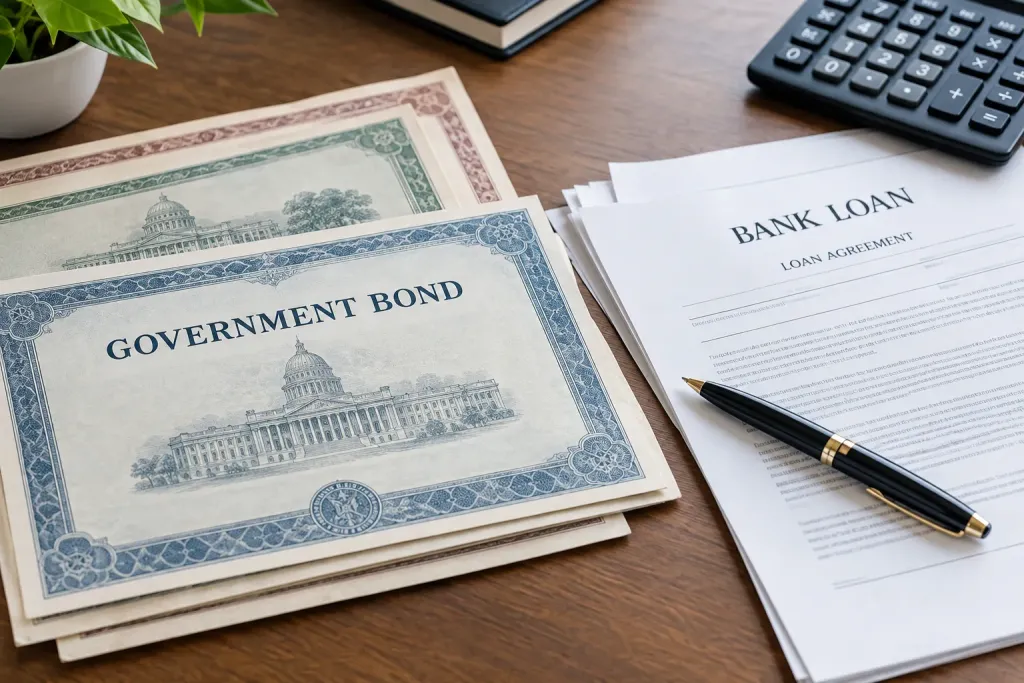
In his assessment, the rate rise could affect the yields on new issues of domestic government bonds (OVDP): if the Ministry of Finance has to raise yields to attract funds, servicing new borrowings will cost the budget more. Danylyshyn also believes that higher yields on government paper could strengthen banks’ preference for OVDP relative to lending to business.
Foreign‑exchange market, interventions and reserves
At the end of October the hryvnia weakened: by the regulator’s official rate the dollar rose from 45.0510 hryvnia on 23 October to 45.5293 hryvnia on 30 October, roughly 1.1% over the week. The official euro rate on the last date stood at 50.6796 hryvnia.
To balance supply and demand the regulator carried out interventions: in the week from 26 to 30 October it sold $1.818 billion on the interbank market — the largest weekly volume on record. Overall in October currency sales approached $6 billion and exceeded the previous monthly record. Deputy Governor Yurii Heletii attributed the rise in dollar demand to higher budget spending and reduced foreign‑currency inflows from the agricultural sector and metallurgy due to logistical difficulties.
International reserves as of 1 October amounted to $47.1 billion, down 3.2% in September. According to the regulator’s estimate, those reserves are sufficient to cover four months of prospective imports.